What Size Punching Machine Do You Need for Your Workshop?


Introduction to Selecting the Right Punching Machine
In the world of metal fabrication, precision and efficiency are the cornerstones of a successful workshop. One of the most critical decisions a workshop owner or manager will face is determining the appropriate size and capacity of a punching machine. The question, “What size punching machine do you need for your workshop?” is not merely about physical dimensions; it encompasses tonnage, throat depth, automation levels, and the specific materials you intend to process. Choosing a machine that is too small will lead to mechanical strain and limited capabilities, while an oversized machine represents unnecessary capital expenditure and wasted floor space.
HARSLE understands that every workshop has unique requirements. Whether you are a small boutique shop focusing on custom architectural metalwork or a high-volume industrial facility producing automotive components, the right punching machine can be the difference between a profitable operation and a bottlenecked production line. This guide will walk you through the technical nuances of sizing, cost considerations, and the strategic factors that should influence your purchasing decision.
Price Range Overview: Understanding the Market Tiers
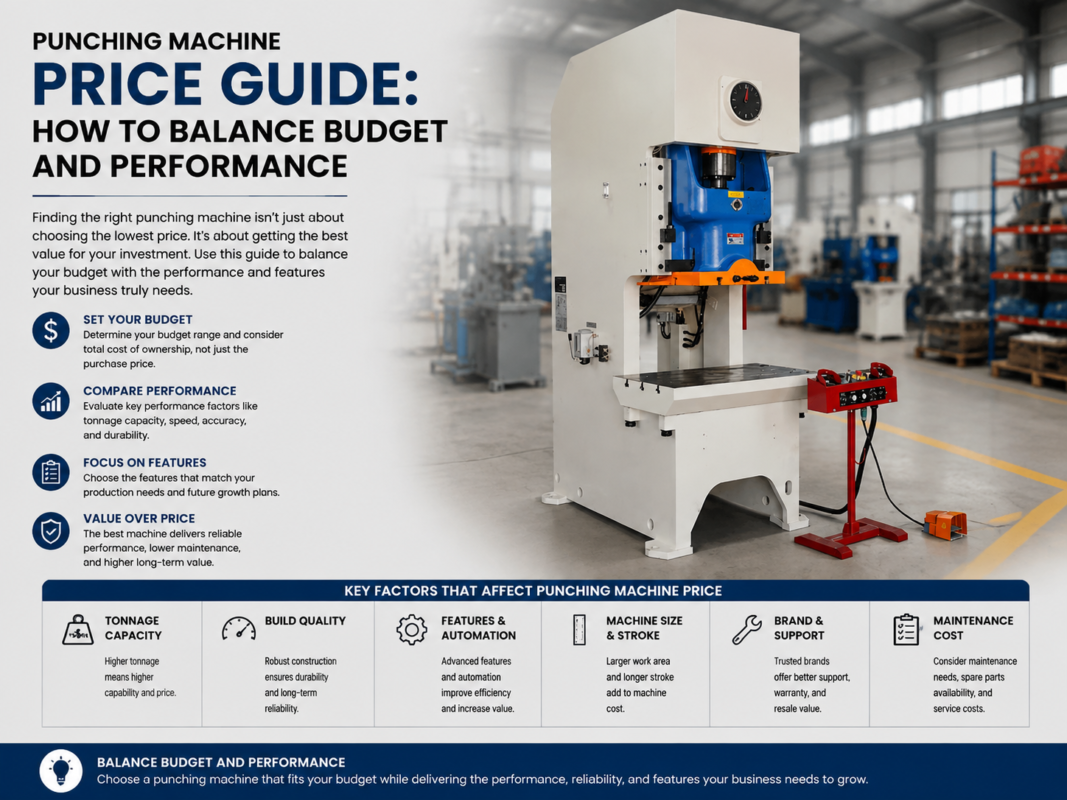
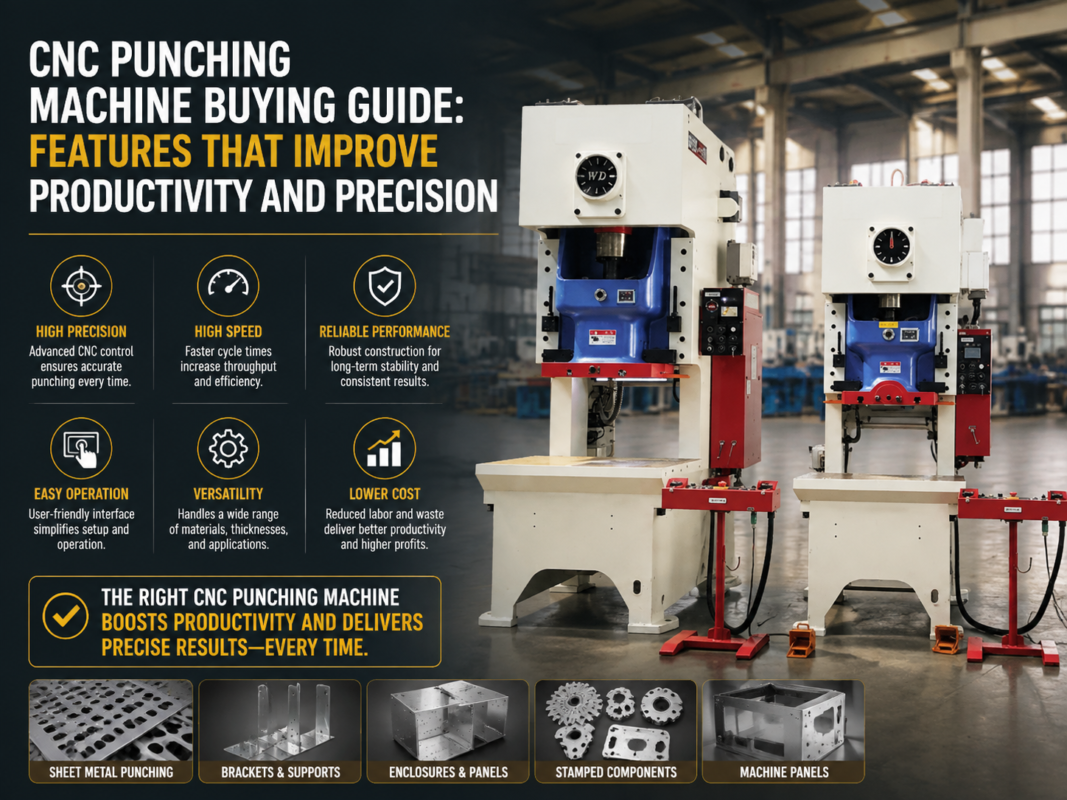
The cost of a punching machine varies significantly based on its size, technology, and capacity. To determine what size punching machine do you need for your workshop, you must first understand the price brackets associated with different machine classes. Generally, the market is divided into three primary tiers: entry-level manual machines, mid-range hydraulic systems, and high-end CNC turret punching machines.
- Entry-Level (Manual and Mechanical): These machines typically range from $2,000 to $12,000. They are suitable for small workshops that perform occasional punching tasks on thinner materials. While affordable, they lack the speed and precision required for high-volume production.
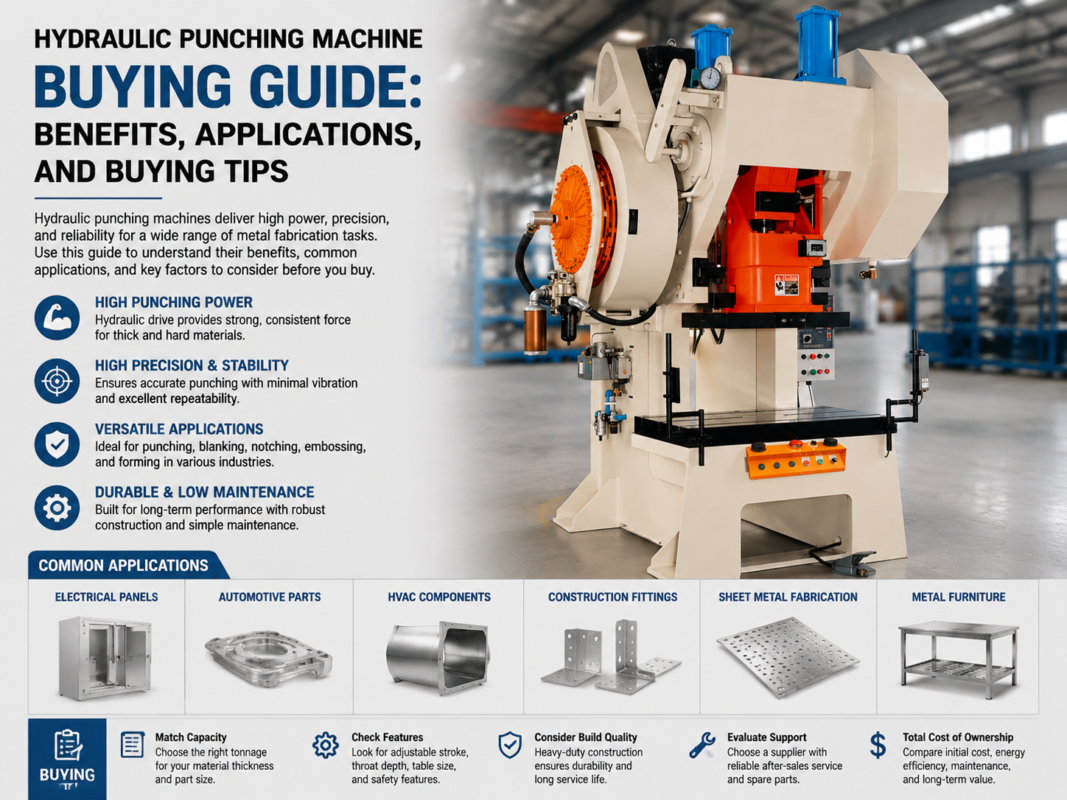
- Mid-Range (Hydraulic and Basic CNC): Priced between $15,000 and $55,000, these machines offer a balance of power and control. Hydraulic punching machines in this range can handle thicker plates and offer better repeatability. Basic CNC models allow for automated positioning, which significantly increases throughput.
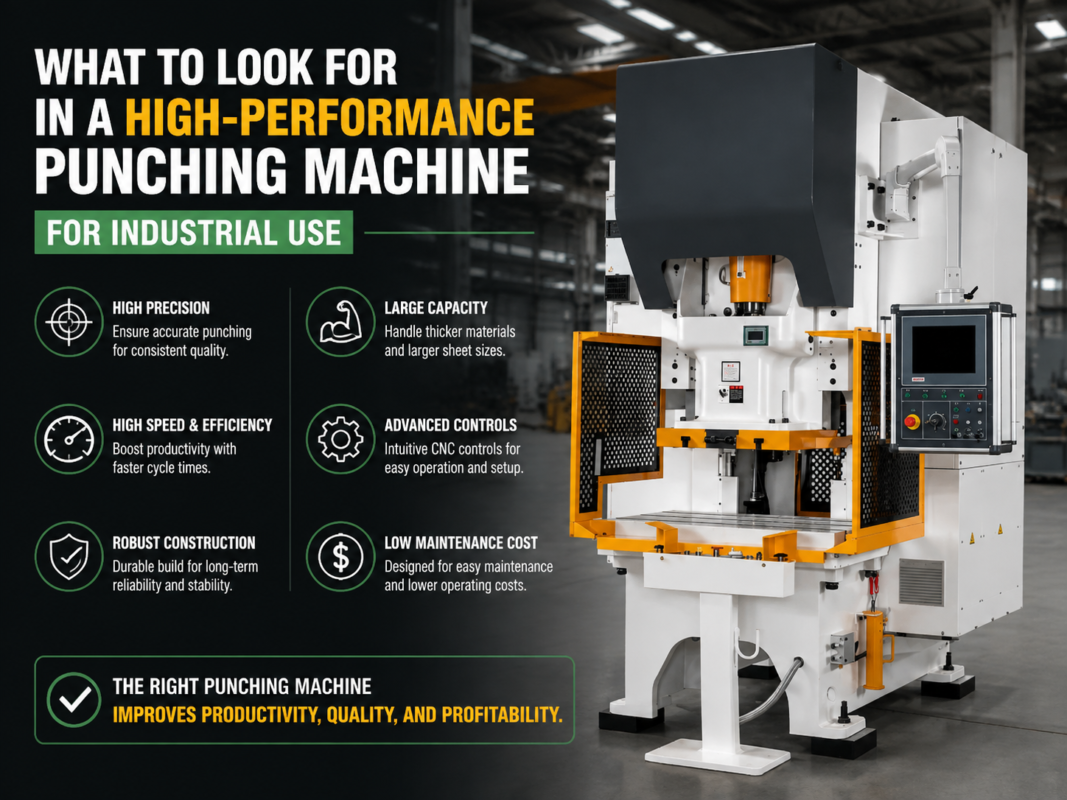
- High-End (CNC Turret Punching Machines): For large-scale industrial operations, prices can range from $60,000 to over $250,000. These machines feature multi-tool turrets, high-speed processing, and advanced software integration. They are designed for 24/7 operation and complex geometries.
When evaluating the price, it is essential to look beyond the initial sticker price. A cheaper machine might have a lower tonnage, limiting the variety of jobs you can accept. Conversely, a high-end machine might pay for itself within months through labor savings and reduced scrap rates.
Main Cost Drivers in Punching Machine Selection
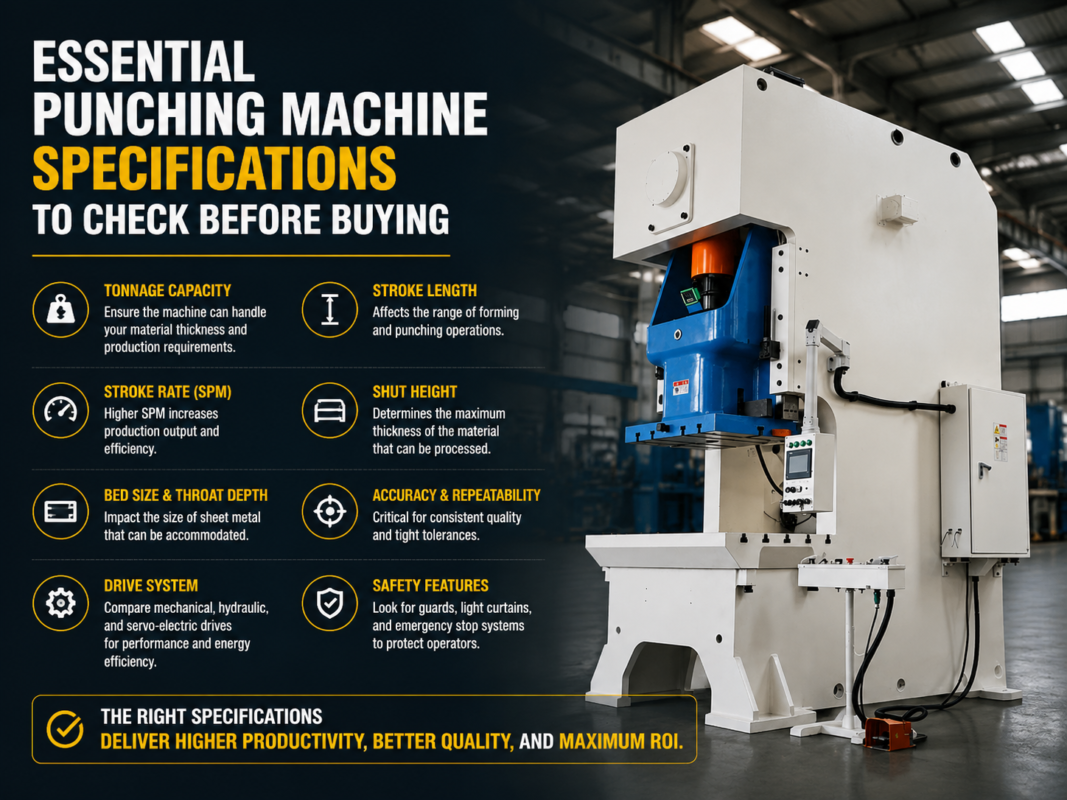
Several technical factors drive the cost and determine the size of the machine you require. Understanding these drivers is essential for making an informed investment. The primary factors include tonnage, throat depth, and material compatibility.
Tonnage: The Power Behind the Punch
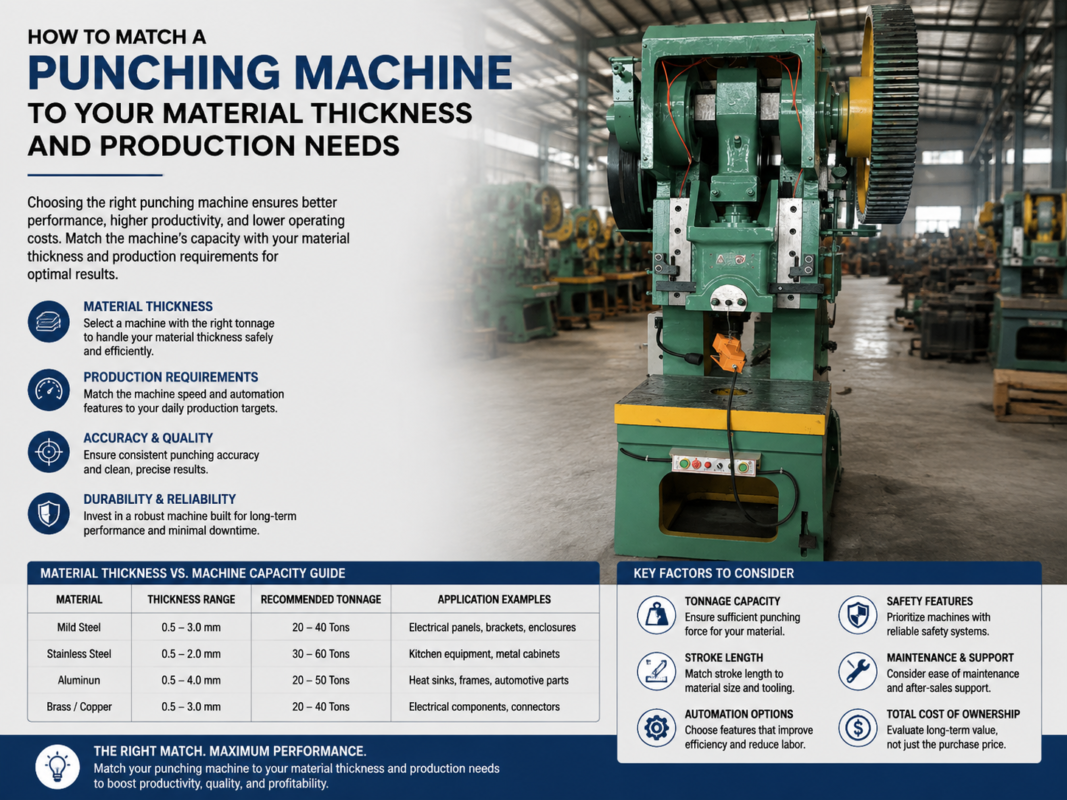
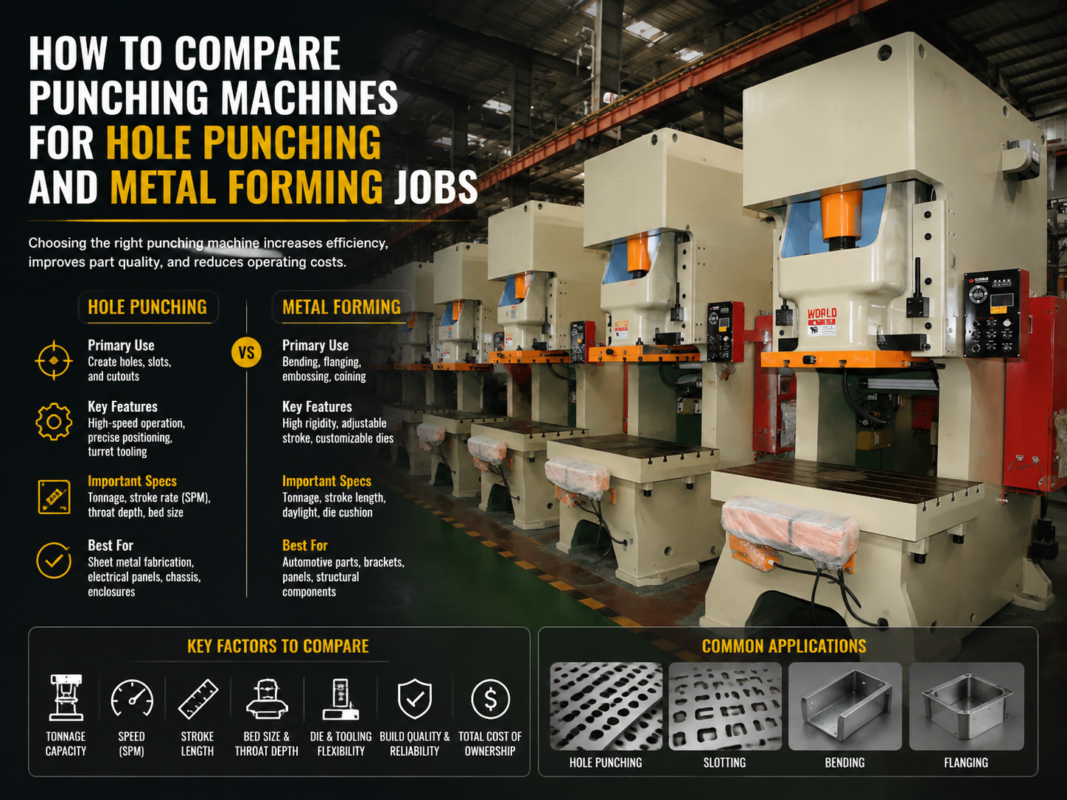
Tonnage refers to the amount of force the machine can exert. This is perhaps the most critical factor in sizing. To calculate the required tonnage, you must consider the perimeter of the hole, the thickness of the material, and the shear strength of the metal. A common formula used is: Tonnage = Perimeter x Thickness x Shear Strength / 2000. If your workshop primarily handles 6mm stainless steel, you will need a significantly higher tonnage than a shop working with 2mm aluminum. Most versatile workshops opt for machines in the 30 to 50-ton range to cover a broad spectrum of tasks.
Throat Depth and Sheet Size
The throat depth determines the maximum width of the sheet the machine can handle. If you are working with standard 4×8 foot sheets, you need a machine with a throat depth that allows you to reach the center of the sheet or a CNC system with repositioning capabilities. A shallow throat depth limits you to smaller parts or requires manual flipping of the sheet, which introduces the risk of inaccuracy.
Material Type and Thickness
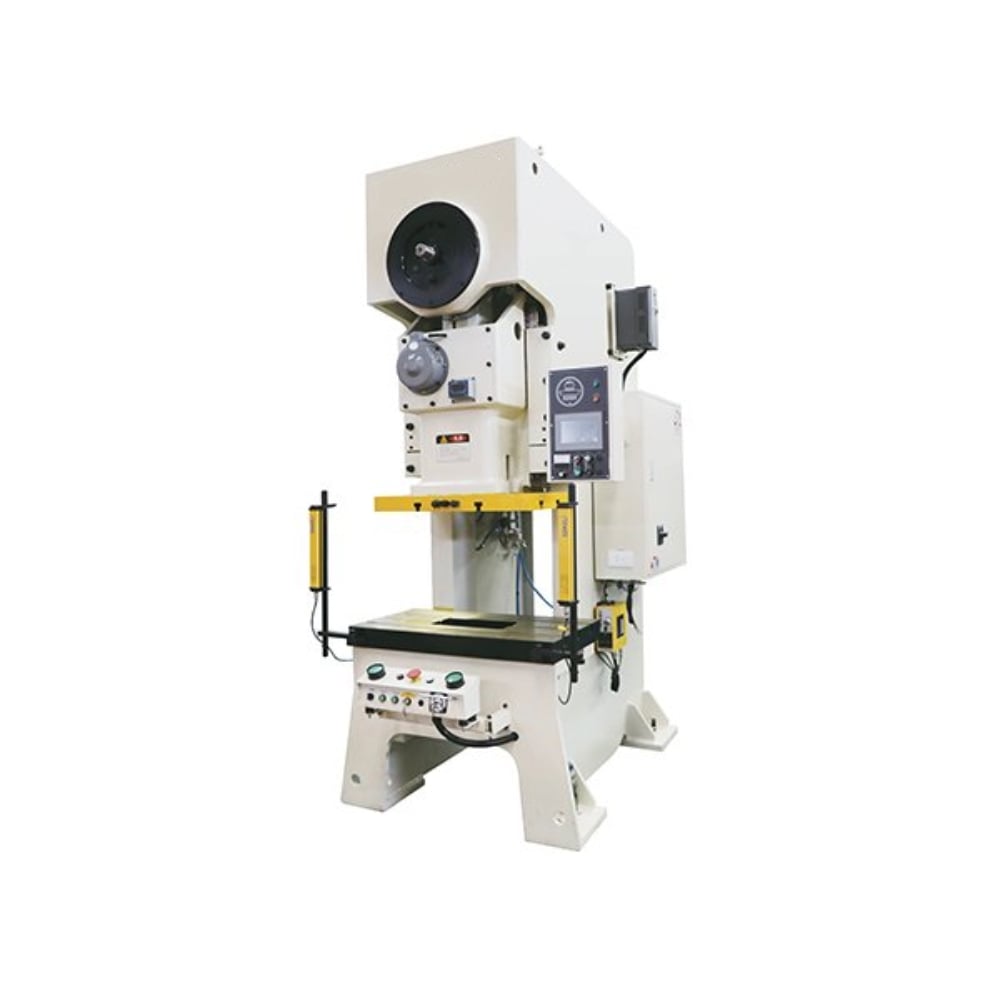
The physical properties of the materials you process will dictate the machine’s build quality. Stainless steel is much harder on tooling and the machine frame than mild steel or aluminum. If your workshop specializes in heavy-duty industrial components, you need a machine with a reinforced frame and high-torque motors to maintain accuracy over time.
Configuration Impact: CNC vs. Manual Systems
The configuration of the machine—specifically whether it is a single-station manual machine or a multi-station CNC turret—has a massive impact on your workshop’s workflow. When asking “Size Punching Machine Do You Need Workshop?”, you must consider how the machine’s configuration fits into your production cycle.
Single Station vs. Turret Punching
A single-station machine requires the operator to change tools manually for every different hole size or shape. This is acceptable for prototypes but inefficient for production. A turret punching machine holds multiple tools (ranging from 12 to 58 stations) in a rotating carousel. This allows the machine to switch between different punches in seconds, enabling the creation of complex parts with multiple hole types in a single setup.
The Role of CNC Automation
CNC (Computer Numerical Control) systems allow for the automation of the punching process. Modern CNC controllers can optimize the punching path to minimize travel time and maximize material utilization (nesting). For a modern workshop, a CNC system is often non-negotiable because it reduces the reliance on highly skilled manual labor and ensures that every part produced is identical to the first.
Auto-Index Stations
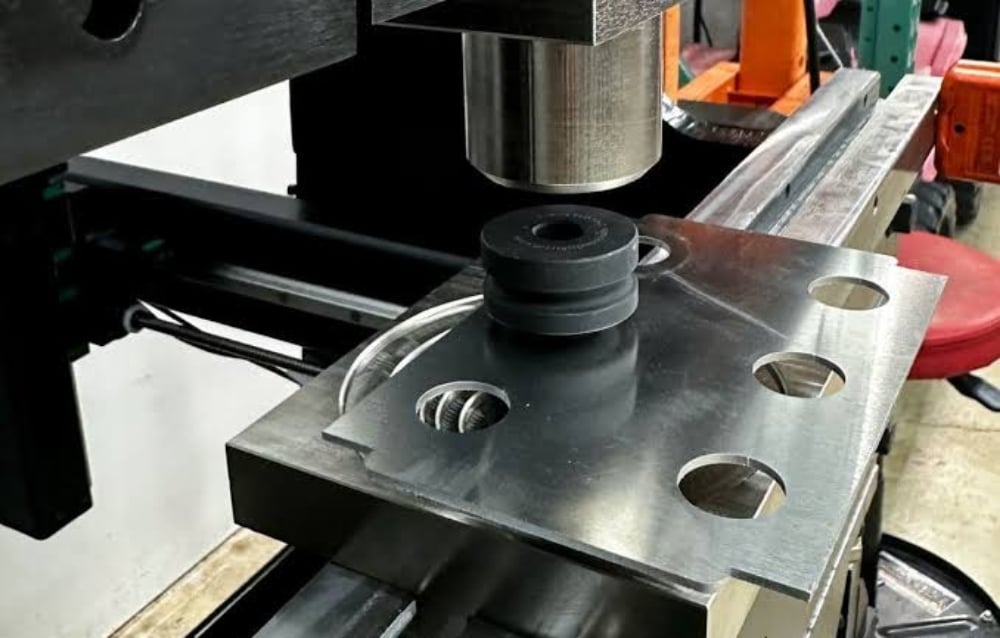
Advanced configurations include auto-index stations, where the tool itself can rotate. This is incredibly useful for punching shapes at various angles without needing a dedicated tool for every angle. This feature reduces the total number of tools you need to purchase and maintain, effectively increasing the machine’s versatility without increasing its physical footprint.
Hidden Costs of Owning a Punching Machine
The purchase price is only the beginning. To truly understand the financial impact of your choice, you must account for several hidden costs that often catch workshop owners off guard.
- Tooling Sets: A punching machine is only as good as its tools. High-quality punches and dies are expensive. Depending on the complexity of your work, you may need to invest $5,000 to $20,000 in an initial tooling library. Furthermore, tools require regular sharpening and eventual replacement.
- Software Licenses: CNC machines require CAD/CAM software to translate designs into machine code. These licenses often come with annual maintenance fees and require training for your staff.
- Power Consumption: Large hydraulic systems consume significant amounts of electricity. Modern servo-electric punching machines are more energy-efficient but often come with a higher upfront cost.
- Floor Space and Foundation: A large CNC turret punch requires a significant amount of floor space, not just for the machine itself, but for material loading and unloading zones. Some heavy machines also require a reinforced concrete foundation to prevent vibrations from affecting accuracy.
- Maintenance and Spare Parts: Like any industrial equipment, punching machines require regular oil changes, filter replacements, and sensor calibrations. Budgeting for an annual service contract is highly recommended to prevent costly downtime.
ROI Calculation: Is the Investment Worth It?
Calculating the Return on Investment (ROI) is the most objective way to answer “What size punching machine do you need for your workshop?” To do this, you must compare the cost of the machine against the projected revenue and savings it will generate.
Consider a scenario where you currently outsource your punching needs. If you are spending $4,000 a month on third-party fabrication, an in-house machine that costs $80,000 (including financing and operating costs) could pay for itself in less than two years. Additionally, having the machine in-house reduces lead times, allowing you to take on “rush” jobs that command a premium price.
Another factor is labor reduction. A CNC turret punch can often do the work of three manual operators. By reallocating those staff members to other areas of the business, such as assembly or quality control, you increase the overall efficiency of your workshop. When calculating ROI, always include a “scrap reduction” variable. CNC machines are far more accurate than manual processes, meaning you will waste less expensive raw material.
Buying Advice: A Step-by-Step Checklist
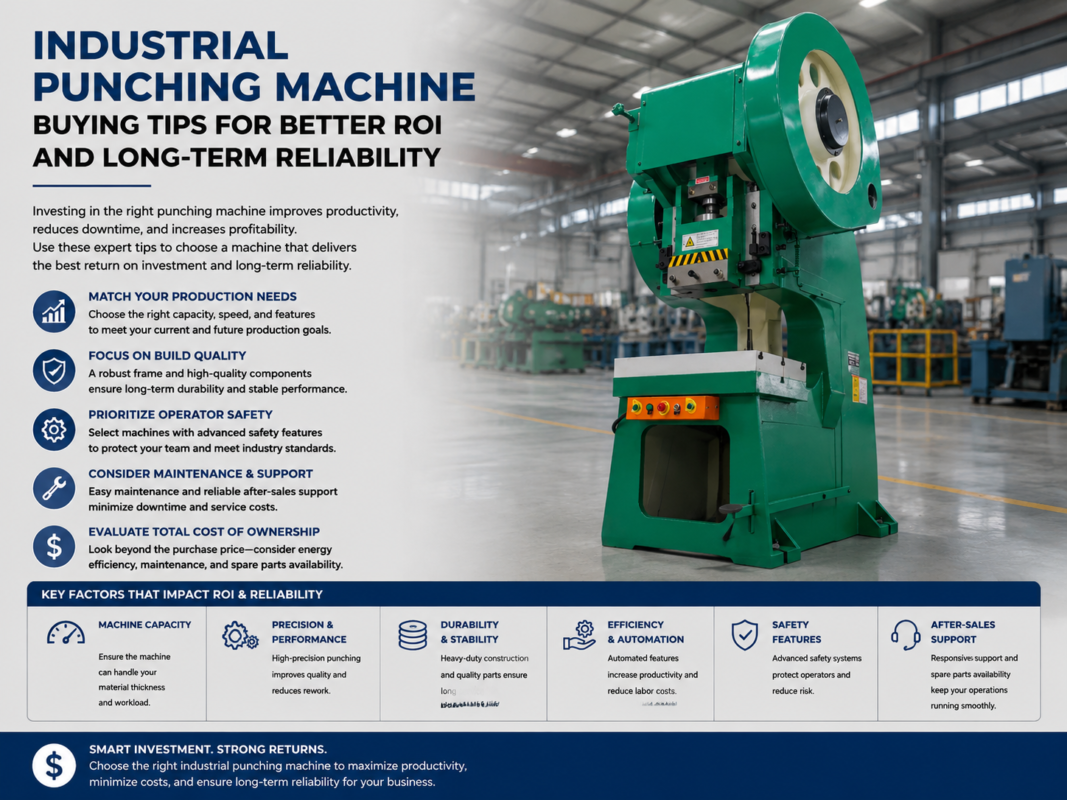
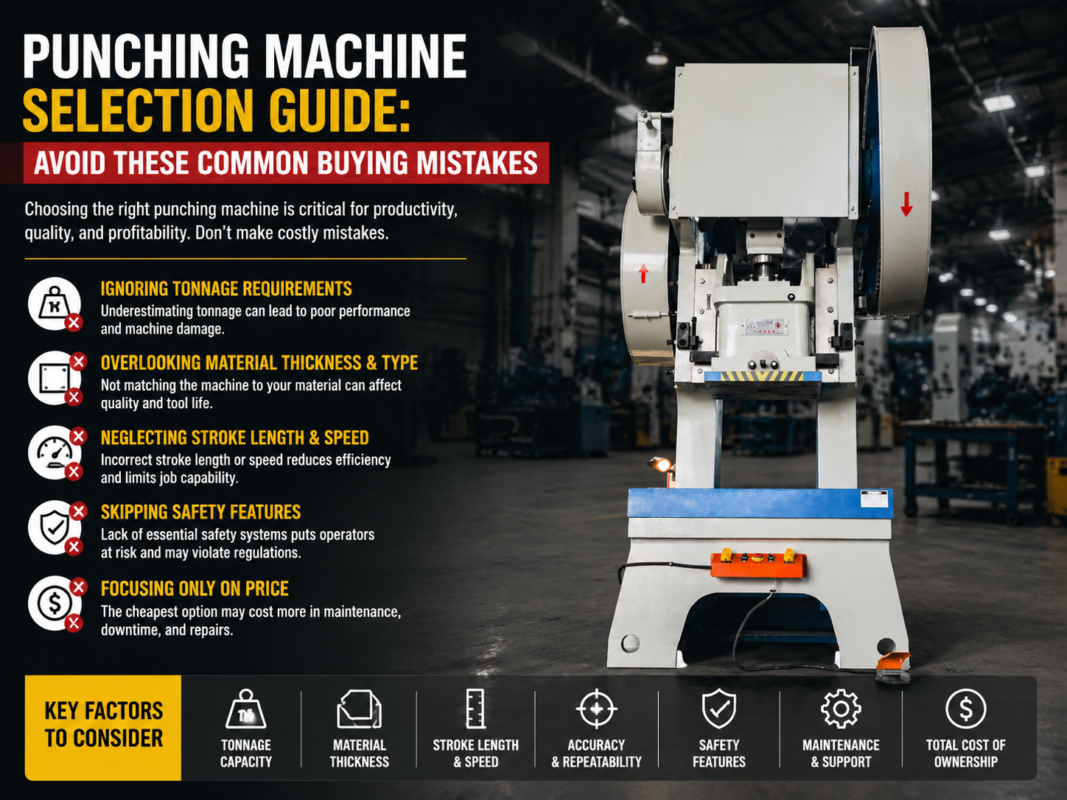
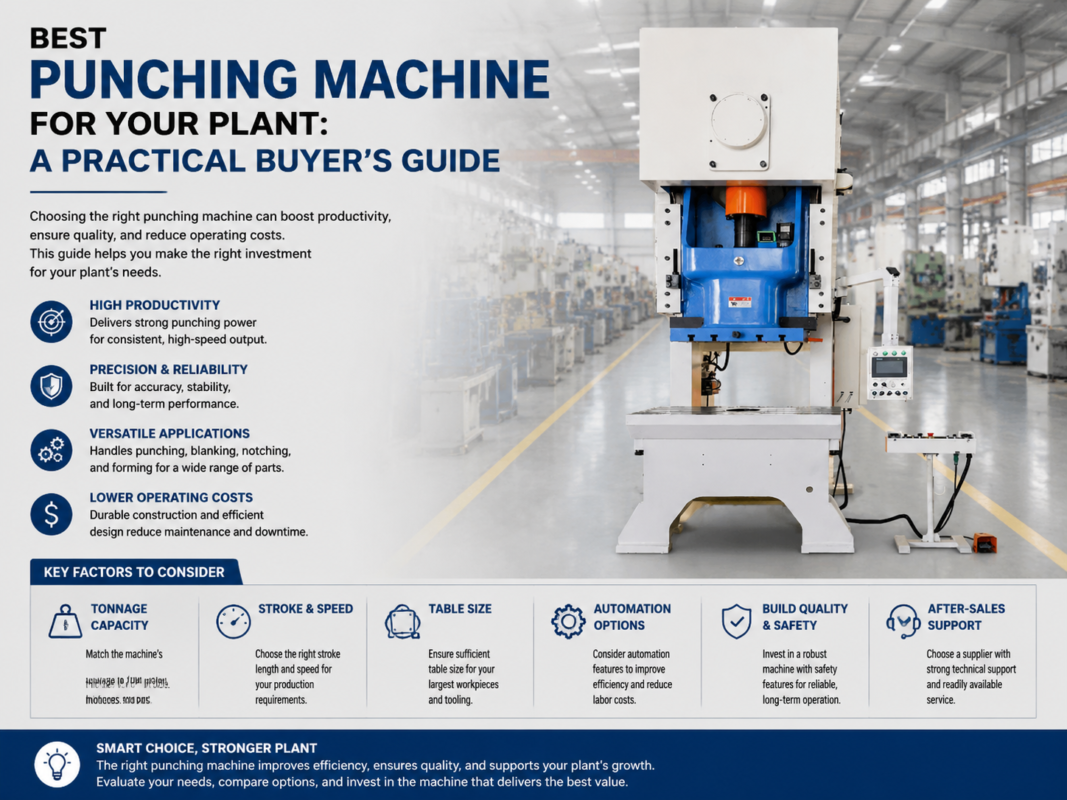
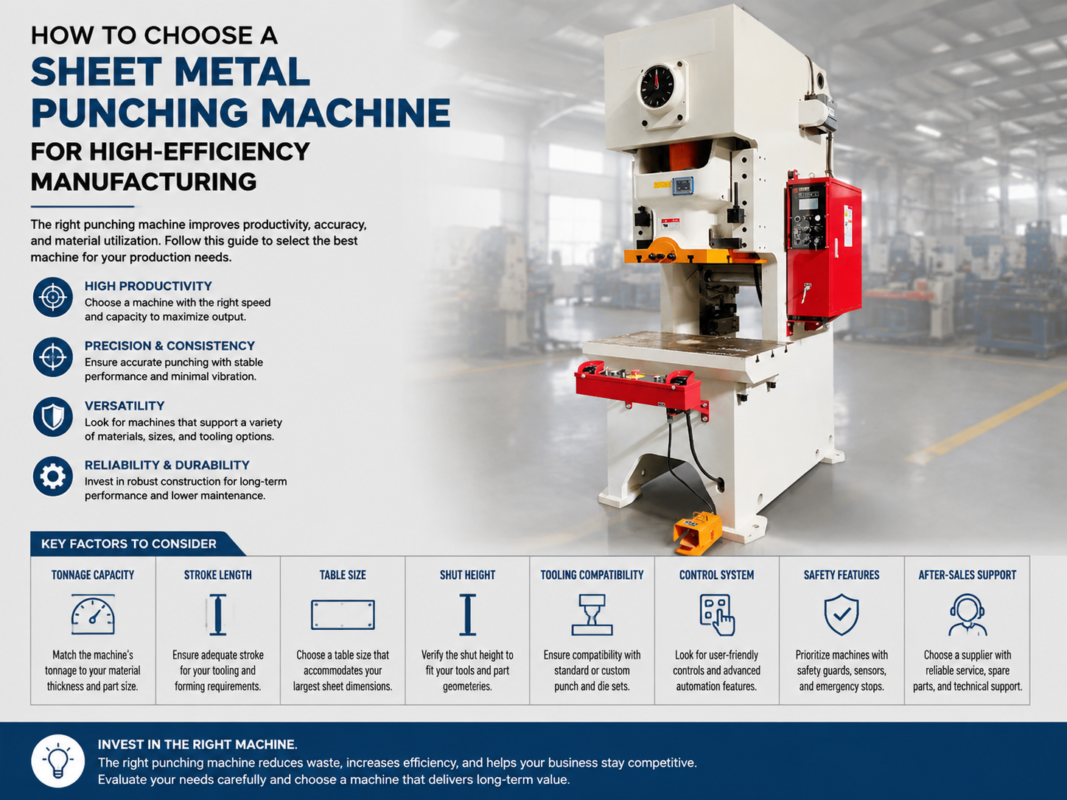
Before signing a purchase agreement, follow this checklist to ensure the machine you choose is the perfect fit for your workshop:
- Analyze Your Current and Future Workload: Don’t just buy for the jobs you have today. Look at the types of contracts you want to win in the next three to five years.
- Verify Tonnage Requirements: Use the thickest and hardest material you plan to work with as your baseline for tonnage calculation. Never run a machine at 100% capacity constantly; leave a 20% safety margin.
- Measure Your Space: Ensure you have enough room for the machine, the operator, and the material handling equipment (like forklifts or loading tables).
- Check Power Requirements: Ensure your workshop’s electrical grid can handle the peak load of a large hydraulic or servo motor.
- Evaluate Technical Support: Choose a manufacturer like HARSLE that offers robust after-sales support, including training, spare parts availability, and remote diagnostics.
- Test the Software: Ensure the machine’s control software is compatible with your existing CAD programs. A user-friendly interface will reduce the learning curve for your operators.
Frequently Asked Questions (FAQ)
1. What is the difference between a mechanical and a hydraulic punching machine?
Mechanical punching machines use a flywheel to store energy, providing a fast but fixed-stroke punch. They are generally louder and less adjustable. Hydraulic machines use fluid pressure, allowing for full control over the stroke speed and pressure, making them more versatile for forming and delicate materials.
2. How often should I sharpen my punching tools?
Tooling should be inspected daily. As a general rule, tools should be sharpened once they show a 0.01-inch radius on the cutting edge. Dull tools increase the required tonnage and produce burrs on the workpiece, which can damage the machine over time.
3. Can a punching machine also do laser cutting?
Standard punching machines cannot perform laser cutting. However, there are “combination machines” that feature both a punching head and a laser head. These are excellent for workshops that need the speed of punching for holes and the flexibility of laser cutting for complex external profiles.
4. What is the average lifespan of a HARSLE punching machine?
With proper maintenance and regular servicing, a high-quality industrial punching machine can last 15 to 20 years. Many machines remain in service even longer, though their control systems may eventually require upgrading to remain compatible with modern software.
5. Is a 30-ton machine enough for stainless steel?
It depends on the thickness and hole size. For example, a 30-ton machine can easily punch a 20mm hole in 3mm stainless steel. However, if you need to punch larger holes in 6mm stainless, you would likely need a 50-ton or 80-ton machine. Always consult a tonnage chart before proceeding.
Conclusion
Determining what size punching machine you need for your workshop is a multi-faceted decision that requires a deep understanding of your production goals and technical requirements. By focusing on tonnage, configuration, and long-term ROI, you can select a machine that not only meets your current needs but also provides a platform for future growth. HARSLE is committed to providing high-performance machinery that empowers workshops to achieve new levels of precision and productivity. Investing in the right size machine today is the foundation for your workshop’s success tomorrow.