How One Factory Increased Output Using An Hydraulic Shearing Machine


Introduction: The Challenge of Scaling Metal Fabrication
In the competitive landscape of modern manufacturing, efficiency is not just a goal—it is a necessity for survival. For many years, a mid-sized metal fabrication facility specializing in HVAC ductwork and custom cabinetry struggled with a common industrial bottleneck: the cutting phase. Despite having high-end welding stations and advanced finishing lines, their primary shearing process was outdated, relying on aging mechanical shears that were prone to frequent breakdowns and inconsistent cutting quality. This article explores the transformative journey of how one factory increased output using an hydraulic shearing machine, specifically a high-performance model from HARSLE.
The factory in question faced several critical issues. First, the mechanical shears they utilized were limited in terms of material thickness and variety. As the market shifted toward heavier gauge stainless steel and specialized aluminum alloys, the old machinery simply couldn’t keep up. Second, the manual adjustment of blade gaps and backgauge positions led to significant downtime between batches. In an industry where lead times are shrinking, every minute spent on manual setup is a minute of lost revenue. The management realized that to scale their operations and maintain their reputation for precision, a technological leap was required.
By transitioning to a HARSLE hydraulic shearing machine, the factory didn’t just replace a piece of equipment; they overhauled their entire production philosophy. The shift from mechanical to hydraulic power provided the necessary force and control to handle diverse materials with ease. More importantly, the integration of CNC (Computer Numerical Control) technology allowed for rapid transitions between different job specifications. This case study serves as a blueprint for other manufacturers looking to optimize their floor space and maximize their throughput through strategic machinery investment.
Throughout this detailed guide, we will examine the technical advantages of hydraulic shearing, the specific features that contributed to this factory’s success, and the broader implications for the metal fabrication industry. Whether you are a small shop owner or a plant manager for a large corporation, understanding how one factory increased output using an hydraulic shearing machine can provide valuable insights into your own operational improvements.
Key Considerations for Upgrading to Hydraulic Shearing
When the factory management began their search for a new solution, they had to consider several factors beyond just the price tag. The primary goal was to find a machine that offered a balance of power, precision, and ease of use. Hydraulic shearing machines are preferred in modern shops because they utilize fluid pressure to drive the cutting blade, offering a smoother and more controlled stroke compared to the sudden impact of mechanical flywheels. This control is essential for maintaining the integrity of the material and reducing the need for secondary grinding or deburring.
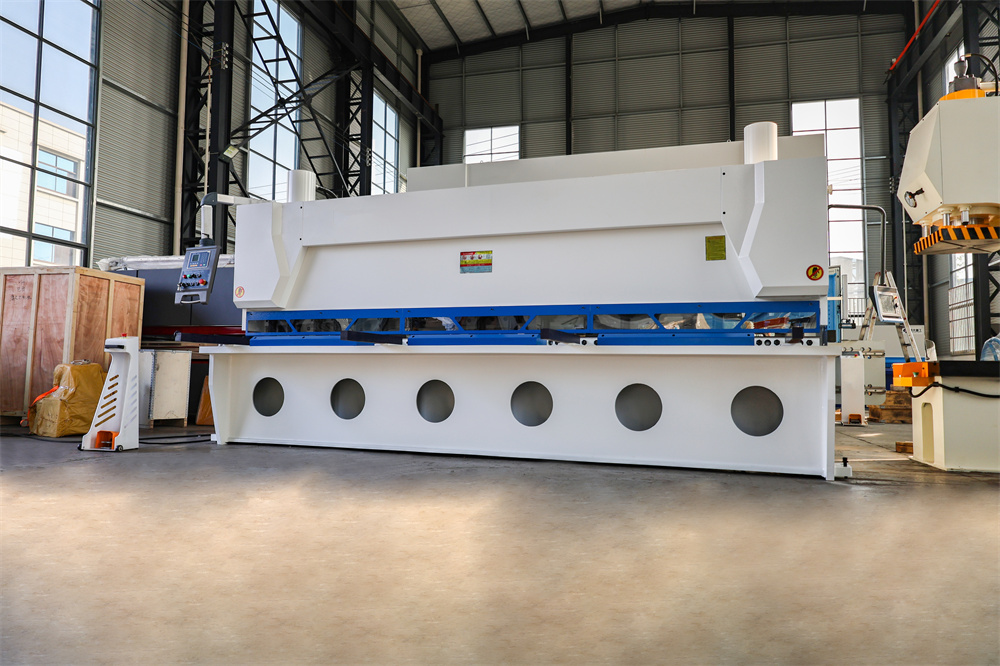
One of the first considerations was the type of hydraulic shear: Swing Beam vs. Guillotine. The factory eventually opted for a CNC Guillotine shear due to its ability to adjust the rake angle. By adjusting the angle at which the blade meets the metal, the machine can minimize distortion and “bowing” in the cut pieces, especially when dealing with narrow strips. This feature alone saved the factory hours of rework, as the cut pieces were immediately ready for the next stage of production without needing straightening.
Safety was another paramount consideration. Older mechanical shears often lacked the sophisticated light curtains and emergency stop systems found on modern hydraulic units. The HARSLE machines come equipped with advanced safety features that protect operators without hindering productivity. By creating a safer work environment, the factory saw a decrease in workplace incidents and an increase in operator confidence, which indirectly contributed to a more consistent output pace.
Finally, the factory looked at the long-term maintenance costs. Mechanical shears have numerous moving parts, including gears, clutches, and belts, all of which are subject to wear and tear. Hydraulic systems, while requiring clean oil and regular filter changes, generally have fewer high-wear mechanical components. The reliability of the hydraulic circuit meant that the factory could run multiple shifts without fearing a catastrophic mechanical failure that would halt the entire production line for days.
Technical Details: The Engine of Productivity
To truly understand how one factory increased output using an hydraulic shearing machine, one must look under the hood at the technical specifications. The HARSLE QC11K series, which the factory selected, features a robust steel-welded structure that provides the rigidity necessary for high-precision cutting. The frame is stress-relieved through vibration, ensuring that the machine maintains its alignment even after years of heavy-duty use. This structural integrity is the foundation of every accurate cut.
The heart of the machine is the hydraulic system, often featuring components from world-renowned brands like Bosch Rexroth or Sunny. These systems provide consistent pressure to the cylinders, allowing for a clean shear through materials ranging from thin 1mm sheets to thick 20mm plates. The ability to handle such a wide range of thicknesses on a single machine allowed the factory to consolidate their cutting operations, freeing up floor space for other processes. Below is a table detailing the typical specifications that drove the factory’s decision:
| Feature | Specification (QC11K Series) | Impact on Productivity |
|---|---|---|
| Cutting Thickness | 4mm – 30mm (Carbon Steel) | Versatility in project handling |
| Cutting Length | 2500mm – 6000mm | Ability to process large sheets |
| Rake Angle Adjustment | 0.5° – 3° | Reduced material distortion |
| Backgauge Range | 20mm – 1000mm | High precision for small parts |
| Control System | E21S, DAC360T, or P40 | Rapid setup and automation |
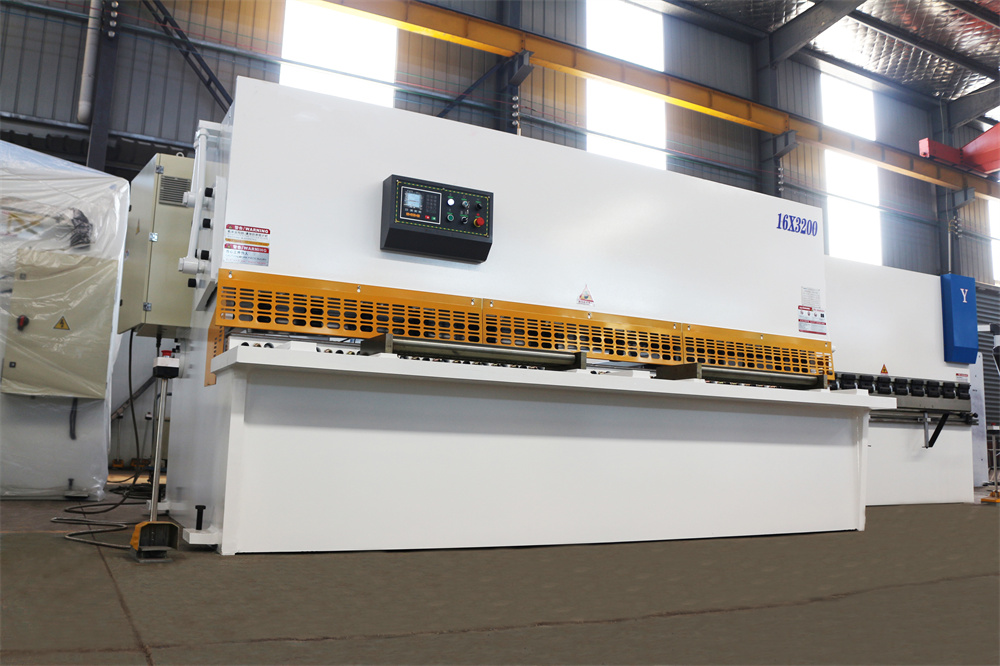
The CNC control system was perhaps the most significant technical upgrade. With the DAC360T controller, the operator can program the backgauge position, the cutting stroke length, and the blade gap automatically. For the factory, this meant that switching from a 5mm stainless steel job to a 10mm mild steel job took seconds rather than minutes. The controller stores hundreds of programs, allowing the operator to recall specific settings for recurring orders, ensuring perfect repeatability every time.
Furthermore, the hydraulic hold-downs on the HARSLE machine play a crucial role. These cylinders apply pressure to the sheet metal before the blade begins its descent, preventing the material from slipping or shifting. In the factory’s previous setup, material slippage was a frequent cause of scrap. With the new hydraulic system, the scrap rate dropped by nearly 15%, directly contributing to the overall increase in usable output.
Selection Advice: Choosing the Right Machine for Your Factory
For other businesses looking to replicate the success of how one factory increased output using an hydraulic shearing machine, the selection process must be diligent. It is not enough to simply buy the largest machine available; the equipment must match the specific needs of the production cycle. The first step is to analyze your most common material types and thicknesses. If your shop primarily handles thin-gauge materials, a high-speed swing beam shear might be more cost-effective. However, if you require maximum precision and the ability to cut thick plates, a guillotine shear is the superior choice.
Another critical factor is the throat depth. The throat depth determines how much of the sheet can be fed into the machine beyond the side frames. For factories that perform “slitting” or need to cut long sheets into narrower strips, a deeper throat is essential. The factory in our case study chose a custom throat depth to accommodate their unique ductwork designs, which allowed them to perform cuts that were previously impossible on their old equipment.
Don’t overlook the importance of the backgauge. A high-quality backgauge should be driven by a ball screw and linear guide to ensure smooth movement and precise positioning. In a high-output environment, the backgauge moves thousands of times a day. If it loses calibration or develops “play,” the accuracy of the parts will suffer. HARSLE’s use of high-precision components in the backgauge assembly ensures that the first cut is as accurate as the thousandth.
Finally, consider the after-sales support and availability of spare parts. An hydraulic shearing machine is a long-term investment. Choosing a reputable manufacturer like HARSLE ensures that you have access to technical documentation, software updates for the CNC system, and a reliable supply of blades and hydraulic seals. The factory in our study cited HARSLE’s responsive support team as a key factor in their decision, as it minimized the risk of extended downtime during the initial installation and training phase.
Frequently Asked Questions (FAQ)
1. How does an hydraulic shearing machine differ from a mechanical one?
Hydraulic shearing machines use hydraulic cylinders to move the upper blade, providing constant pressure throughout the cut and allowing for adjustable stroke lengths and rake angles. Mechanical shears use a flywheel and clutch system, which delivers a fixed, high-impact stroke. Hydraulic machines are generally safer, quieter, and more versatile for varying material thicknesses.
2. Can one factory increased output using an hydraulic shearing machine if they only work with thin materials?
Yes. While hydraulic machines are known for their power, their precision and speed of setup are what drive output for thin materials. The ability to quickly program the backgauge and use the “stroke limit” feature (which prevents the blade from traveling further than necessary) significantly speeds up the cycle time for small, thin parts.
3. What maintenance is required to keep the machine running at peak output?
Regular maintenance includes checking hydraulic oil levels and quality, lubricating the guide rails and backgauge ball screws, and inspecting the blade sharpness. Keeping the hydraulic oil clean is the most important factor in preventing valve clogs and pump wear. Most factories perform a quick daily check and a more thorough monthly inspection.
4. How long do the blades last before they need sharpening?
Blade life depends on the material being cut. Cutting stainless steel will dull blades faster than mild steel or aluminum. However, HARSLE blades are typically 4-edged (for the bottom) and 2-edged (for the top), meaning you can flip them multiple times before needing a professional regrind. In a high-output factory, blades might be flipped every 6-12 months.
5. Is CNC control necessary for every factory?
While manual hydraulic shears exist, CNC control is the primary driver of increased output. It eliminates manual measurement errors and drastically reduces setup time. For any factory looking to increase throughput and reduce scrap, CNC is highly recommended.
Conclusion: The Future of Your Fabrication Line
The story of how one factory increased output using an hydraulic shearing machine is a testament to the power of modern industrial technology. By identifying their bottleneck and investing in a HARSLE hydraulic guillotine shear, they were able to increase their total production output by over 40% within the first year. This was achieved through a combination of faster cycle times, reduced setup durations, and a significant decrease in material waste. The precision of the new machine also improved the quality of subsequent processes, such as bending and welding, creating a positive ripple effect throughout the entire facility.
In today’s market, the ability to respond quickly to customer demands while maintaining high quality is the ultimate competitive advantage. Upgrading to an hydraulic shearing machine is not just about cutting metal; it’s about cutting costs and cutting down on inefficiency. As we have seen, the right machinery can transform a struggling production line into a high-output powerhouse. If your factory is facing similar challenges with outdated equipment or inconsistent results, it may be time to consider the hydraulic advantage.
HARSLE continues to lead the way in providing innovative solutions for the metal fabrication industry. By focusing on user-friendly controls, robust construction, and high-precision components, they empower factories worldwide to reach their full potential. The success of the factory in this case study is just one example of what is possible when the right tools meet the right vision. Take the first step toward optimizing your output today by exploring the range of hydraulic shearing solutions available for your specific needs.