From Manual Cutting to Automation: A Shearing Machine Case Study for Sheet Metal Plants


Introduction: The Evolution of Sheet Metal Shearing
In the competitive landscape of modern metal fabrication, the transition from manual processes to automated systems is no longer a luxury—it is a necessity for survival and growth. For decades, sheet metal plants relied heavily on manual shearing machines, where operators manually positioned sheets, adjusted backgauges by hand, and relied on visual cues for accuracy. While these methods served the industry well during the mid-20th century, the demands of the 21st century—characterized by high-volume production, tight tolerances, and rising labor costs—have rendered manual cutting obsolete.
This case study examines the transformative journey of a mid-sized sheet metal plant that transitioned from traditional manual cutting to a fully automated shearing workflow using HARSLE technology. By analyzing the shift from “From Manual Cutting Automation: A Shearing Machine Case Study Sheet Metal Plants,” we can uncover the technical, economic, and operational benefits that drive this evolution. Automation in shearing involves more than just a faster blade; it encompasses CNC integration, precision material handling, and intelligent software that minimizes waste and maximizes throughput.
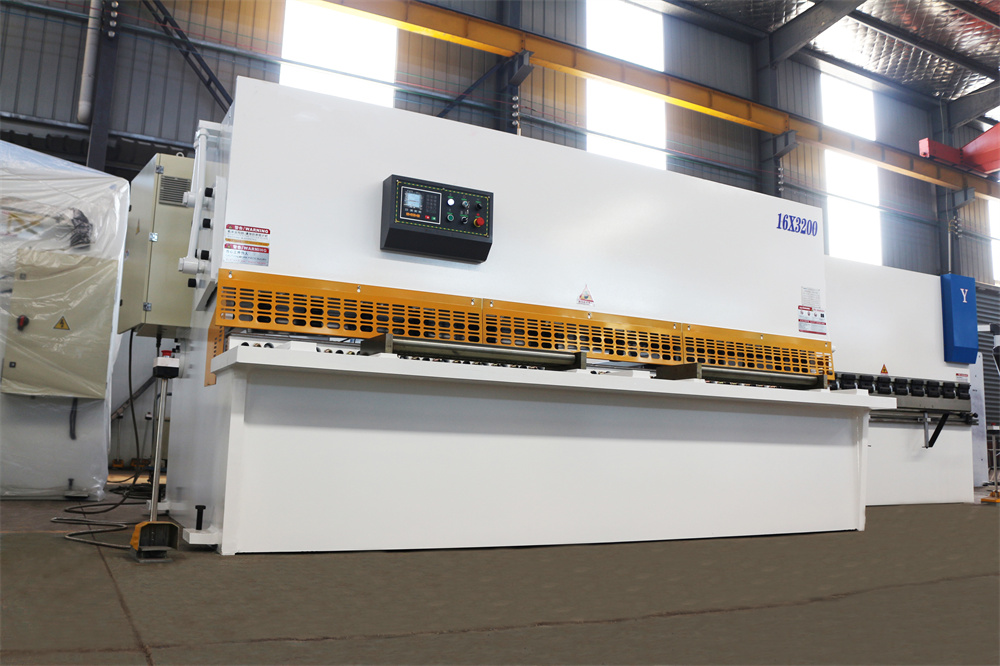
HARSLE has been at the forefront of this transition, providing robust hydraulic shearing machines that bridge the gap between traditional craftsmanship and modern industrial efficiency. Whether it is a swing beam shear or a guillotine shear, the integration of automation allows plants to achieve a level of consistency that is impossible to replicate with manual labor. In the following sections, we will dive deep into the considerations, technical specifications, and strategic advice for plants looking to make this critical upgrade.
Key Considerations for Transitioning to Automation
Before a sheet metal plant invests in automated shearing technology, several critical factors must be evaluated. The first is the Return on Investment (ROI). While the initial capital expenditure for a CNC hydraulic shearing machine is higher than a manual counterpart, the long-term savings in labor, reduced scrap material, and increased production speed often result in a payback period of less than 24 months. Automation reduces the need for highly skilled manual operators, allowing the workforce to be redeployed to more complex tasks like assembly or quality control.
Another consideration is Precision and Repeatability. Manual shearing is prone to human error, especially during long shifts where fatigue sets in. An automated system, controlled by a CNC unit like the E21S or DAC360T, ensures that every cut is identical to the last, down to a fraction of a millimeter. This level of precision is vital for downstream processes such as CNC press brake bending or robotic welding, where even a minor deviation in the blank size can lead to significant assembly issues.
Safety and Compliance are also paramount. Manual shears pose significant risks to operators, particularly concerning finger injuries and back strain from handling heavy plates. Automated shearing machines come equipped with advanced safety features, including light curtains, emergency stop buttons, and protective enclosures. By removing the operator’s hands from the immediate cutting zone, plants can significantly lower their insurance premiums and improve overall workplace morale.
Finally, plants must consider Material Versatility. Modern automated shears can handle a wide range of materials, from thin aluminum sheets to thick stainless steel plates. The ability to quickly switch between material types and thicknesses through a digital interface—rather than manual blade gap adjustments—allows for a much more flexible production schedule. This agility is a key competitive advantage in a market that increasingly demands small-batch, customized production runs.
Technical Details: The Mechanics of Automated Shearing
To understand the power of automation, one must look at the technical components that make it possible. At the heart of a HARSLE automated shearing machine is the Hydraulic System. Unlike mechanical shears that use flywheels and clutches, hydraulic shears provide consistent pressure throughout the entire stroke. This results in cleaner cuts with less deformation. The hydraulic system is typically powered by high-quality valves (such as Rexroth) and pumps that ensure smooth operation even under heavy loads.
The CNC Control System is the brain of the machine. In an automated setup, the operator inputs the material type, thickness, and desired dimensions into the controller. The machine then automatically adjusts the Blade Gap and the Rake Angle. The rake angle is the angle of the upper blade relative to the lower blade; a higher rake angle is used for thicker materials to reduce the required cutting force, while a lower rake angle is used for thinner materials to prevent twisting and bowing. Automation ensures these settings are optimized for every single cut.
The Backgauge System is another marvel of automation. In manual machines, the backgauge is moved via a handwheel and measured with a physical scale. In an automated HARSLE shear, the backgauge is driven by a high-precision ball screw and a servo motor. This allows the gauge to move rapidly and position itself with an accuracy of +/- 0.05mm. Some advanced systems even feature a “swing-up” backgauge, which allows for the cutting of sheets longer than the maximum backgauge range.

Furthermore, the Blade Quality plays a significant role. Automated machines often use high-carbon, high-chrome blades (6CrW2Si or Cr12MoV) that are heat-treated for longevity. These blades feature four cutting edges on both the top and bottom, allowing them to be rotated before needing a full regrind. This reduces downtime and maintenance costs, which is essential for a high-output automated environment.
Selection Advice: Choosing the Right Shearing Machine
Selecting the right machine for your plant requires a deep understanding of your current production needs and future growth projections. The first step is to define your Maximum Cutting Capacity. This includes both the maximum thickness and the maximum width of the sheets you intend to process. It is always advisable to choose a machine with a capacity slightly higher than your current maximum to account for tougher material grades or future projects.
Next, decide between a Swing Beam Shear and a Guillotine Shear. Swing beam shears (QC12Y/K series) are generally more cost-effective and suitable for thinner to medium-gauge materials. They operate on a circular arc motion. Guillotine shears (QC11Y/K series), on the other hand, move in a straight vertical line. This allows for adjustable rake angles, which is superior for cutting thick plates and minimizing distortion. For a plant moving toward full automation, a CNC Guillotine shear is often the preferred choice due to its higher precision and versatility.
Consider the Level of Automation required. Do you need a simple NC controller that manages the backgauge, or a full CNC system that also controls the blade gap, rake angle, and stroke length? For plants with high operator turnover or those seeking the highest possible precision, the full CNC route is the best investment. Additionally, look for features like Pneumatic Rear Support. This system holds thin sheets level against the backgauge, preventing them from sagging and ensuring an accurate cut—a common problem in manual shearing.
Finally, evaluate the Manufacturer’s Reputation and Support. A shearing machine is a long-term investment. Choosing a brand like HARSLE ensures access to high-quality components, comprehensive technical manuals, and reliable after-sales service. Ensure that the machine you select complies with international safety standards (CE, ISO) and that spare parts are readily available in your region.
Comparison Table: Manual vs. Automated Shearing
| Feature | Manual Shearing | Automated CNC Shearing |
|---|---|---|
| Positioning Accuracy | +/- 0.5mm to 1.0mm | +/- 0.05mm to 0.1mm |
| Adjustment Time | 5-10 minutes (Manual) | Seconds (Digital Input) |
| Operator Skill Level | High (Experience required) | Medium (Basic CNC training) |
| Safety Risk | High (Manual handling) | Low (Light curtains/Enclosures) |
| Material Waste | Moderate (Human error) | Minimal (Optimized cutting) |
Case Study: A Real-World Transformation
Let’s look at a practical example. A sheet metal plant specializing in HVAC ductwork was operating three manual mechanical shears. They faced several challenges: high rejection rates due to inaccurate dimensions, frequent workplace injuries, and a bottleneck at the cutting station that slowed down the entire production line. After consulting with HARSLE, they replaced the three manual units with two QC11K CNC Hydraulic Guillotine Shearing Machines equipped with DAC360T controllers and automated loading tables.
The results were immediate. The plant saw a 40% increase in throughput within the first three months. Because the CNC system automatically adjusted the blade gap for different thicknesses of galvanized steel, the edge quality improved significantly, eliminating the need for secondary deburring. The pneumatic rear support system allowed them to cut thin 0.5mm sheets with perfect accuracy, something they struggled with manually. Most importantly, the plant reported zero safety incidents at the shearing station in the first year of operation.
This transition also allowed the plant to take on more complex contracts. With the ability to guarantee tolerances of +/- 0.1mm, they began supplying components for the medical equipment industry, a high-margin sector they previously couldn’t serve. The “From Manual Cutting Automation: A Shearing Machine Case Study Sheet Metal Plants” narrative proved that automation is not just about speed; it’s about expanding the capabilities of the business.
FAQ: Common Questions About Shearing Automation
1. How difficult is it to train staff on a CNC shearing machine?
Modern CNC controllers are designed with user-friendly interfaces, often featuring touchscreens and graphical representations. Most operators who are familiar with basic computer use can be trained to operate a HARSLE CNC shear within 1-2 days. The machine handles the complex calculations for blade gap and rake angle, reducing the cognitive load on the operator.
2. Can an automated shearing machine handle stainless steel?
Yes, but it requires the correct blade material and machine capacity. Stainless steel is much harder than mild steel, so the machine should typically be rated for a higher thickness than the stainless sheet you are cutting. HARSLE machines use high-strength blades specifically designed to handle the shearing forces of stainless steel without premature dulling.
3. What maintenance is required for an automated hydraulic shear?
Regular maintenance includes checking hydraulic oil levels, cleaning the filters, lubricating the backgauge ball screws and guideways, and inspecting the blade sharpness. Because the machine is automated, it often features self-diagnostic tools that alert the operator to potential issues before they cause a breakdown.
4. Is it worth upgrading an old manual machine or buying new?
While some old machines can be retrofitted with NC backgauges, the cost of a full CNC retrofit (including hydraulic valves and sensors) often approaches the price of a new machine. A new HARSLE machine provides the benefit of modern safety standards, a full warranty, and the latest energy-efficient motor technology, making it the more sensible long-term investment.
Conclusion: The Future of Your Sheet Metal Plant
The journey from manual cutting to automation is a defining moment for any sheet metal plant. As we have seen in this case study, the benefits of upgrading to a HARSLE automated shearing machine extend far beyond simple speed. It is about achieving a level of precision that satisfies the most demanding customers, ensuring the safety of your most valuable asset—your employees—and creating a scalable production model that can adapt to market changes.
By focusing on the key considerations of ROI, technical specifications, and proper machine selection, plant managers can de-risk the transition to automation. The “From Manual Cutting Automation: A Shearing Machine Case Study Sheet Metal Plants” highlights that the initial investment is quickly offset by the gains in efficiency and quality. In an era where Industry 4.0 is becoming the standard, moving away from manual shearing is the first step toward a fully integrated, smart factory. HARSLE remains committed to providing the tools and expertise necessary to make this transition a success for fabricators worldwide.