Hydraulic Press Cost Guide: Export Buyers’ Checklist for Comparing Suppliers


Introduction to Hydraulic Press Procurement for Global Markets
In the competitive landscape of metal fabrication, acquiring a hydraulic press is a significant capital investment that dictates the production capacity and precision of a facility for decades. For export buyers, navigating the global market requires more than just looking at a sticker price. The total cost of ownership involves a complex interplay of engineering specifications, logistical hurdles, and long-term operational efficiency. This guide serves as a definitive resource for procurement managers and business owners to understand the nuances of the Hydraulic Press Cost : Export Buyers’ Checklist Comparing Suppliers, ensuring that every dollar spent contributes to a sustainable return on investment.
HARSLE, as a leader in the manufacturing of high-performance metalworking machinery, understands that international buyers face unique challenges, including fluctuating shipping rates, varying electrical standards, and the need for robust after-sales support across borders. Whether you are looking for a simple C-frame press for small component assembly or a massive 2000-ton H-frame press for automotive stamping, understanding the cost structure is the first step toward a successful acquisition. This article breaks down the financial and technical components that define the market price of modern hydraulic presses.
Price Range Overview: Categorizing by Tonnage and Type
The price of a hydraulic press is primarily dictated by its tonnage—the amount of force it can exert—and its structural design. Generally, the market can be divided into three broad categories based on capacity and complexity. Entry-level machines, often ranging from 10 to 100 tons, are typically used for light assembly, punching, or laboratory work. These units can range from $5,000 to $25,000 depending on the level of automation and the quality of the hydraulic components. For export buyers, these machines are often the easiest to ship but require careful vetting of the frame rigidity to ensure long-term accuracy.
Mid-range hydraulic presses, spanning 100 to 500 tons, represent the workhorses of the metal fabrication industry. These machines are used for deep drawing, molding, and heavy-duty bending. Prices in this segment typically fall between $30,000 and $150,000. At this level, the cost is heavily influenced by the inclusion of CNC controls, high-speed valves, and safety features like light curtains. Buyers must compare the ‘standard’ offerings of different suppliers, as some may include essential features in the base price while others list them as expensive add-ons.
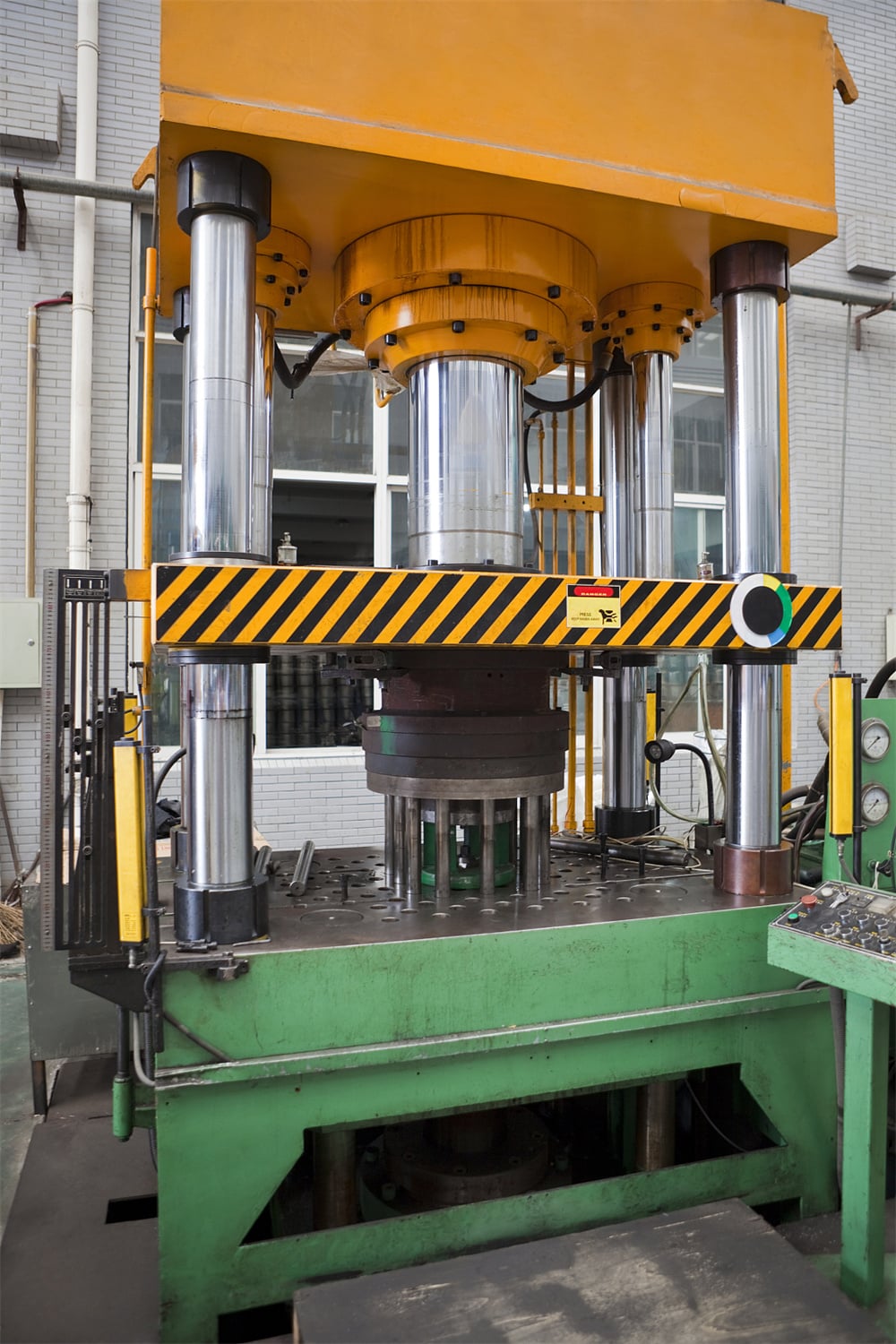
High-capacity and specialized presses (500 tons to 5000+ tons) are custom-engineered solutions. These machines can cost anywhere from $200,000 to several million dollars. For these investments, the price is less about the raw materials and more about the engineering expertise, the integration of servo-drive technologies, and the ability of the machine to integrate into an automated production line. When comparing suppliers for these large-scale projects, export buyers must look beyond the initial quote and evaluate the manufacturer’s track record in delivering complex, high-tonnage systems to international clients.
Main Cost Drivers: What Are You Really Paying For?
The most significant driver of hydraulic press cost is the frame construction. A ‘Four-Column’ design offers excellent accessibility and is generally more cost-effective for large bed areas, but it may suffer from slight deflection under off-center loads. In contrast, an ‘H-Frame’ or ‘Straight-Side’ press provides superior rigidity and precision, which is essential for high-tolerance die work, but comes at a premium price due to the increased steel weight and machining complexity. Buyers must assess their specific application to determine if the added cost of a more rigid frame is necessary for their production quality.
The hydraulic system itself is the second major cost driver. The quality of pumps, valves, and cylinders determines the machine’s reliability and cycle speed. Premium components from brands like Rexroth, Vickers, or Parker increase the initial cost but significantly reduce the risk of downtime and the difficulty of finding replacement parts in the buyer’s home country. Furthermore, the complexity of the hydraulic circuit—such as the inclusion of proportional valves for precise speed and pressure control—can add thousands of dollars to the final price tag.
Control systems and automation integration also play a pivotal role in pricing. A basic manual press with lever controls is the most affordable option, but it lacks the safety and repeatability required for modern manufacturing. Moving to a PLC-based system with a Touch Screen HMI (Human Machine Interface) allows for recipe storage and precise stroke adjustment. The most expensive options involve full CNC integration, where the press can communicate with robotic loaders and unloaders, providing a fully automated cell. For export buyers, the ease of use and the language options of the control software are critical factors to consider during the supplier comparison phase.
Configuration Impact: Customization vs. Standard Models
Standardized models are the most cost-effective way to purchase a hydraulic press because manufacturers can optimize their production lines and stock components in bulk. However, most industrial applications require some level of customization. The ‘Daylight’ (the distance between the bolster and the slide), the ‘Stroke’ length, and the ‘Bed Size’ are the most common modifications. Increasing these dimensions requires more structural steel and larger hydraulic cylinders, which scales the price upward. Export buyers should provide detailed drawings of their largest workpieces to ensure the machine configuration is optimized without over-specifying and inflating the cost.
The inclusion of a Servo-Hydraulic system is a modern configuration choice that has a high impact on both initial cost and long-term savings. While a servo-driven press can cost 20-30% more than a traditional induction motor system, it offers up to 70% energy savings, reduced noise, and lower oil temperatures. For buyers in regions with high electricity costs or strict environmental regulations, the higher upfront configuration cost is often justified within the first two years of operation. This is a key item on the Hydraulic Press Cost : Export Buyers’ Checklist Comparing Suppliers, as not all manufacturers have the technical capability to implement reliable servo technology.
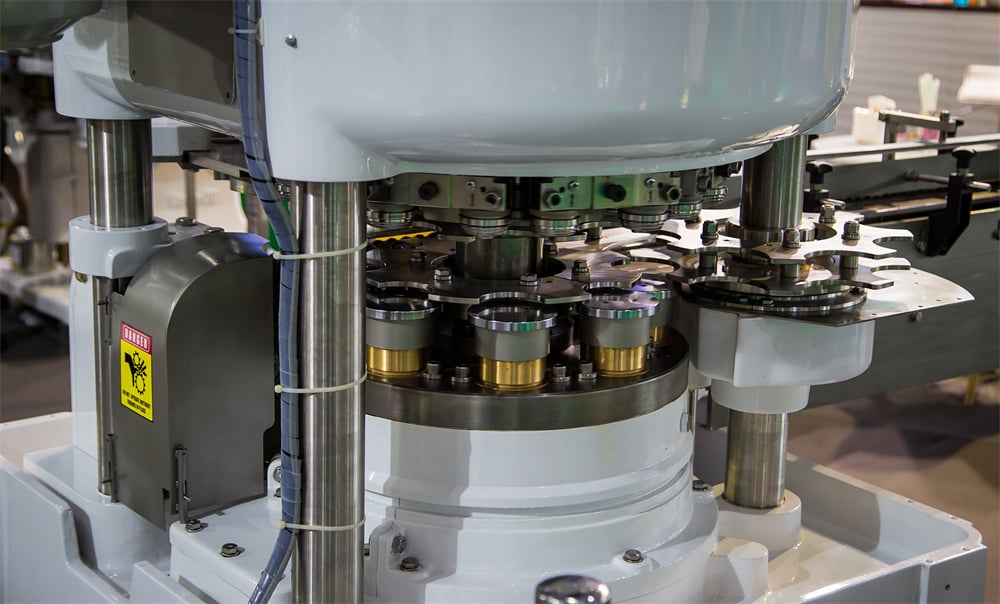
Additional configuration options like hydraulic cushions (for deep drawing), moving bolsters (for quick die changes), and specialized heating platens (for composite molding) also add to the cost. When comparing suppliers, it is vital to ensure that the quotes are ‘apples-to-apples.’ One supplier might include a basic cooling system, while another might quote a high-efficiency industrial chiller. Buyers should demand a detailed bill of materials for the hydraulic and electrical circuits to verify the quality of the components being offered.
Hidden Costs: The Export Buyer’s Blind Spots
The quoted price of a machine (FOB or EXW) is often just the beginning of the financial commitment. For export buyers, shipping and logistics represent a massive variable. A hydraulic press is a heavy, oversized load that requires specialized crating, moisture protection (vacuum sealing), and often open-top or flat-rack containers. Depending on the global shipping climate, freight costs can add 5% to 15% to the total project cost. Furthermore, buyers must account for import duties, customs brokerage fees, and local taxes, which vary significantly by country.
Installation and commissioning are frequently overlooked hidden costs. Does the supplier send a technician to the buyer’s facility? If so, who pays for the airfare, accommodation, and daily labor rates? For large presses, the buyer may also need to invest in a specialized foundation (pit) to handle the machine’s weight and vibration. Without a properly engineered foundation, even the most expensive press will fail to maintain its accuracy and may even suffer structural damage over time. These site preparation costs must be factored into the initial budget.
Finally, there is the cost of ‘Operational Readiness.’ This includes the initial fill of hydraulic oil (which can be hundreds of gallons for large machines), the purchase of spare parts kits (seals, filters, fuses), and the training of operators. A supplier that offers comprehensive training videos, English-language manuals, and a robust remote-support system can save a buyer thousands of dollars in the long run, even if their initial machine price is slightly higher than a competitor who offers no post-sale support.
ROI Calculation: Beyond the Initial Investment
Calculating the Return on Investment (ROI) for a hydraulic press requires a holistic view of production. The primary metric is the ‘Cost per Part.’ A more expensive, faster press with a shorter cycle time can produce more parts per shift, effectively lowering the overhead cost per unit. Buyers should ask suppliers for estimated cycle times based on their specific part geometry. If a $100,000 machine is 20% faster than an $80,000 machine, the more expensive unit may actually be the more profitable choice over a five-year period.
Maintenance and downtime are the enemies of ROI. A cheaper machine that uses non-standard or low-quality hydraulic components may save money upfront but cost a fortune in lost production when a valve fails and a replacement takes three weeks to arrive from overseas. High-quality machines from reputable manufacturers like HARSLE are designed for 24/7 operation with minimal maintenance. When comparing suppliers, ask for the ‘Mean Time Between Failures’ (MTBF) data and the availability of local service partners. A machine that stays running is a machine that pays for itself.
Energy efficiency is the third pillar of ROI. As mentioned previously, servo-hydraulic systems significantly reduce power consumption. In many jurisdictions, businesses can also claim tax credits or subsidies for investing in energy-efficient machinery. When performing an ROI calculation, buyers should project their energy costs over 10 years. Often, the energy savings alone can cover the price difference between a standard hydraulic press and a high-end servo-controlled model.
Buying Advice: The Ultimate Supplier Comparison Checklist
To ensure a successful purchase, export buyers should use a structured checklist when evaluating potential suppliers. This prevents emotional decision-making and focuses the procurement process on technical and financial facts. Here is the essential Hydraulic Press Cost : Export Buyers’ Checklist Comparing Suppliers:
- Technical Compliance: Does the machine meet local safety standards (CE, UL, CSA)? Are the electrical components compatible with your local voltage and frequency (e.g., 480V/60Hz vs 380V/50Hz)?
- Manufacturer Reputation: How many years has the company been exporting? Can they provide references from customers in your country or industry?
- Component Quality: Request a list of brands for the PLC, hydraulic pumps, valves, and electrical switchgear. Avoid ‘no-name’ components that are difficult to service.
- Frame Rigidity: Ask for the FEA (Finite Element Analysis) reports of the frame design to ensure it can handle the rated tonnage with minimal deflection.
- After-Sales Support: Does the supplier offer remote diagnostics via the internet? What is the guaranteed response time for technical inquiries?
- Warranty Terms: Is the warranty ‘parts only’ or does it include labor? How are warranty parts shipped (air express vs. sea)?
- Documentation: Are the manuals, wiring diagrams, and software interfaces available in your native language?
By systematically checking these items, buyers can identify the ‘best value’ rather than just the ‘lowest price.’ A supplier like HARSLE, which prioritizes transparent communication and high-quality engineering, often stands out in these comparisons because they address the long-term needs of the export market.
Frequently Asked Questions (FAQ)
1. How long does it typically take to manufacture and ship a hydraulic press?
For standard models, the manufacturing lead time is usually 30 to 60 days. Custom-engineered or high-tonnage presses can take 4 to 6 months. Shipping by sea adds another 20 to 45 days depending on the destination port. Buyers should plan their production schedules at least 6 months in advance of the required ‘go-live’ date.
2. Can I use a hydraulic press for both metal and plastic/composite forming?
Yes, but the configuration requirements differ. Metal forming usually requires higher speeds and specific pressure profiles, while composite molding requires heated platens and precise temperature control. If you need a multi-purpose machine, ensure the supplier knows this upfront so they can include the necessary controls and heating elements.
3. What is the difference between a ‘Single Action’ and ‘Double Action’ hydraulic press?
A single-action press has one moving slide that applies force. A double-action press has two moving parts—typically a slide and a blank holder (or cushion). Double-action presses are essential for complex deep-drawing operations where the metal needs to be held under tension while being formed to prevent wrinkling.
4. How often does the hydraulic oil need to be changed?
In a standard operating environment, hydraulic oil should be tested every 6 months and typically changed every 2,000 to 4,000 hours of operation. However, using high-quality filtration systems and servo-drive technology (which keeps the oil cooler) can significantly extend the life of the oil.
5. Is it better to buy a used hydraulic press or a new one from overseas?
While used machines have a lower initial cost, they often come with hidden wear, outdated controls, and no warranty. A new machine from a reputable export supplier like HARSLE provides the latest safety features, energy efficiency, and a full manufacturer’s warranty, which usually results in a lower total cost of ownership over time.
6. What kind of foundation is required for a 500-ton press?
A 500-ton press requires a reinforced concrete foundation. The depth and reinforcement depend on the soil quality at your site and the machine’s footprint. Most manufacturers provide a ‘Foundation Drawing’ after the order is placed, which should be reviewed by a local structural engineer before pouring the concrete.