Optimizing Metal Shearing Machine Applications for High-Volume Production Shops


Introduction to High-Volume Metal Shearing
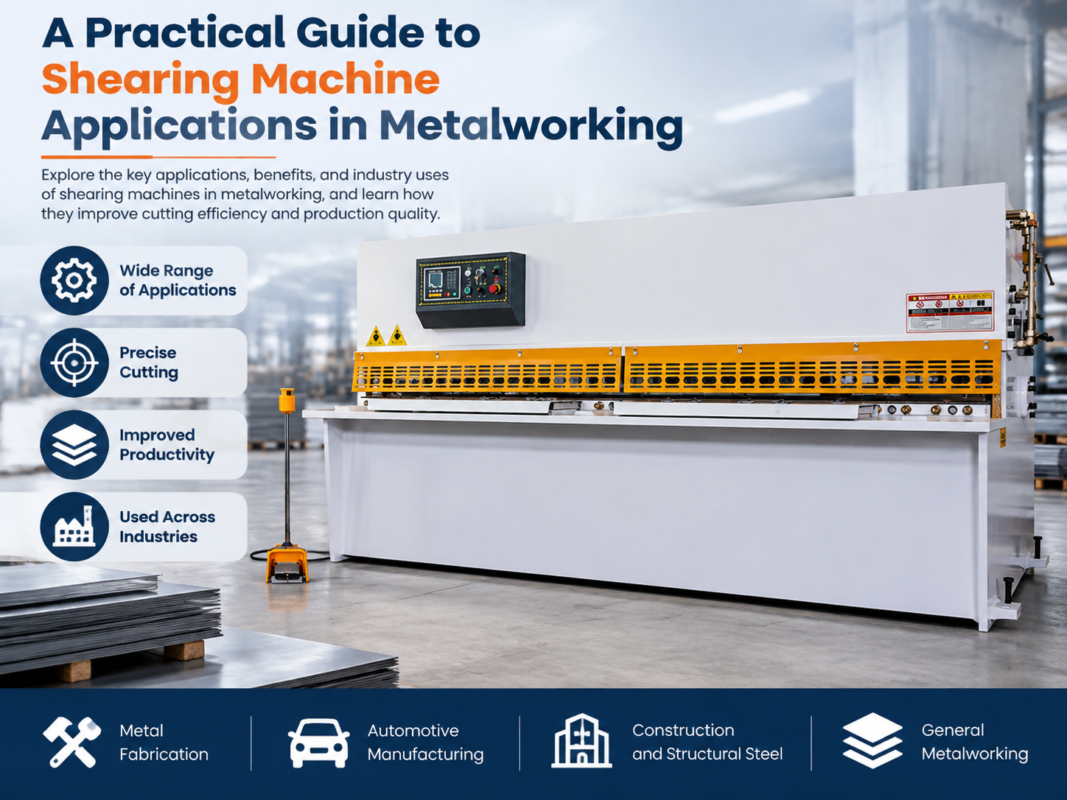
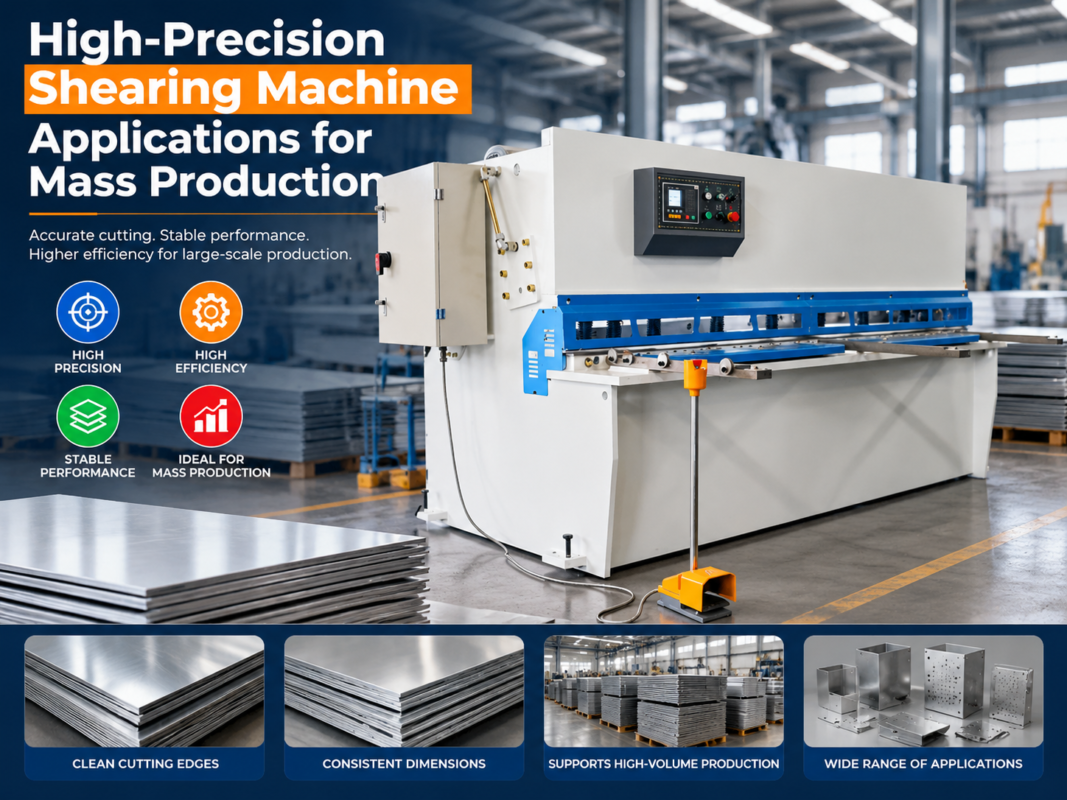
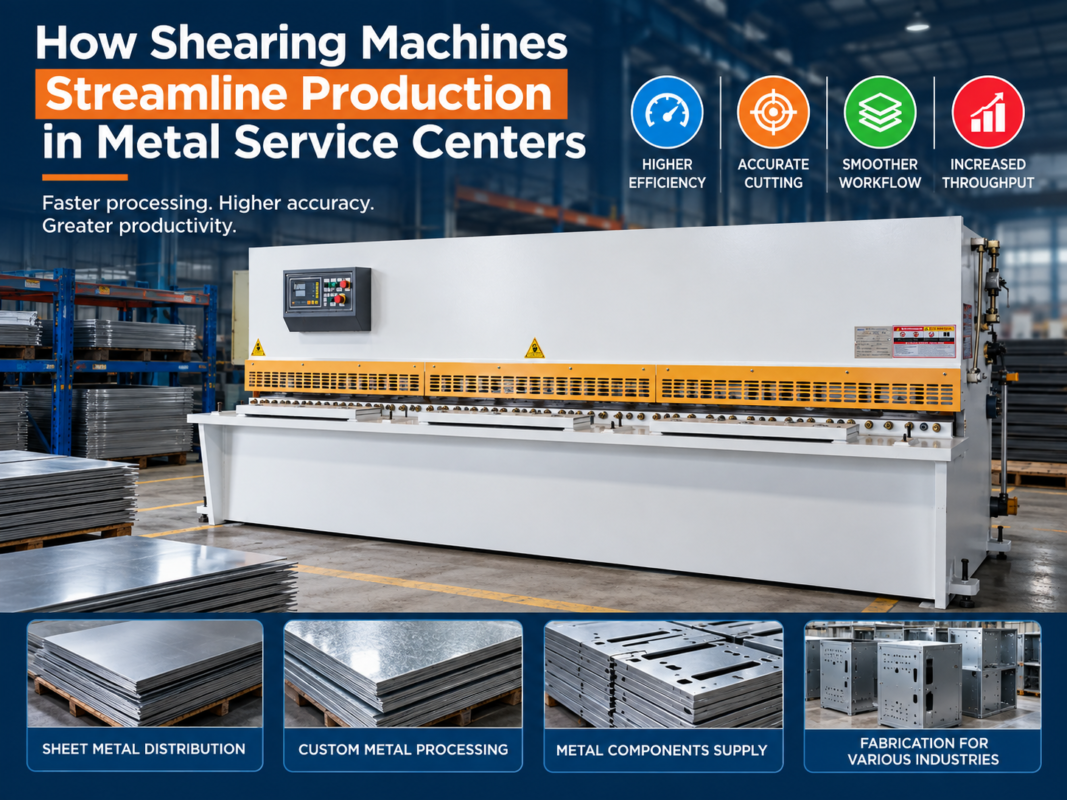
In the fast-paced world of industrial manufacturing, efficiency and throughput are the twin pillars of success. For facilities focused on mass production, the initial stage of metal fabrication—cutting raw sheets into precise blanks—sets the tempo for the entire production line. This is where metal shearing machine applications for high-volume production shops become indispensable. Unlike laser or plasma cutting, which are excellent for complex geometries, shearing offers unmatched speed and cost-effectiveness for straight-line cuts in high-capacity environments.
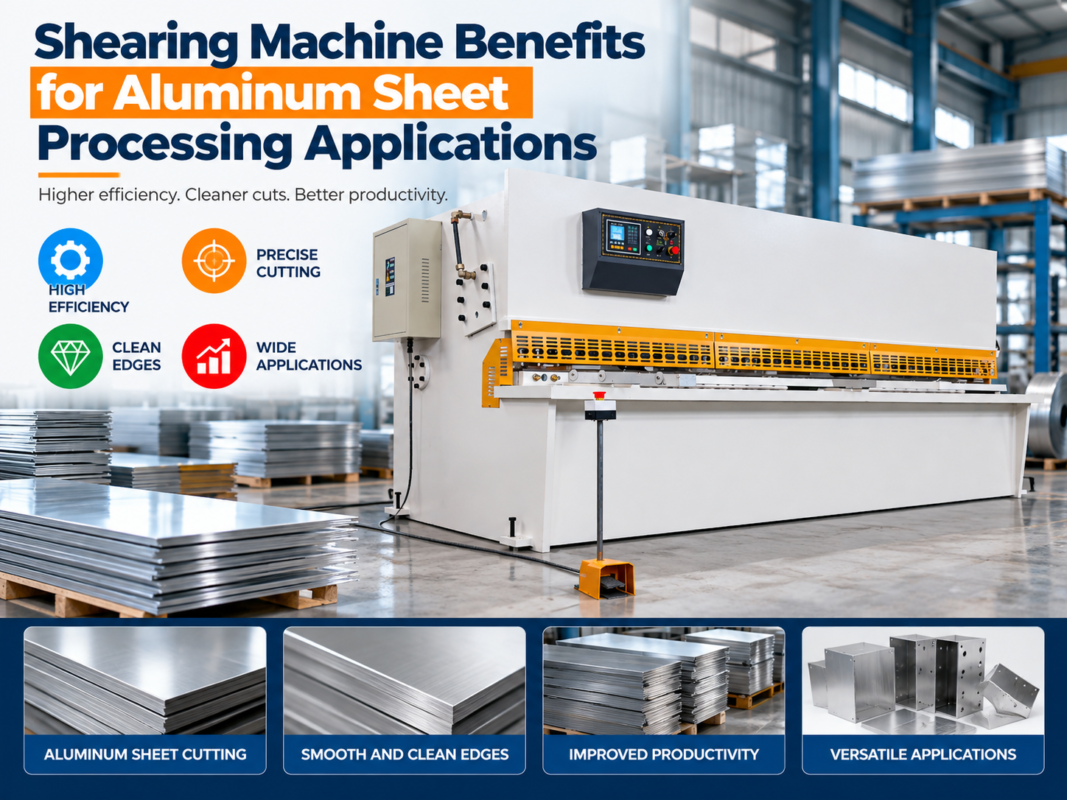
High-volume production shops operate under intense pressure to minimize cycle times while maintaining strict tolerances. A metal shearing machine, whether it is a hydraulic swing beam or a guillotine type, provides the mechanical force necessary to part large sheets of steel, aluminum, or stainless steel in seconds. For a company like HARSLE, providing equipment that can withstand 24/7 operation is paramount. These machines are engineered to handle thousands of cycles daily without compromising the structural integrity of the frame or the precision of the cut.
The evolution of shearing technology has moved from manual, labor-intensive processes to highly automated CNC-driven systems. In a high-volume setting, every second saved in material handling, backgauge positioning, and blade gap adjustment translates directly into increased profitability. This article explores the technical nuances, application areas, and strategic selection criteria for metal shearing machines designed to thrive in the most demanding production environments.
Key Considerations for High-Volume Production
When integrating metal shearing machine applications for high-volume production shops, several critical factors must be evaluated to ensure the equipment meets the rigorous demands of the floor. The first consideration is the Cycle Time. In a high-volume shop, the machine must be capable of rapid strokes per minute (SPM). This involves not just the downward movement of the blade, but the rapid return stroke and the speed at which the backgauge repositions for the next cut.
Accuracy and Repeatability are equally vital. High-volume production often feeds into automated downstream processes like robotic welding or CNC bending. If the sheared blanks are inconsistent, it causes a cascade of failures in subsequent stages. Modern shearing machines utilize high-precision ball screws and AC servo motors for backgauge movement, ensuring that every piece is cut to within fractions of a millimeter, regardless of how many thousands of pieces are processed.
Material handling is another bottleneck in high-volume shops. To maximize the utility of a shearing machine, shops often implement Front Feeding Systems and Rear Stacking Units. Automated sheet supports prevent thin materials from sagging, which would otherwise lead to inaccurate measurements. Furthermore, scrap chutes and pneumatic rear support systems allow the operator to focus on feeding the machine rather than manually clearing the work area, significantly boosting the overall equipment effectiveness (OEE).
Finally, the Durability of the Cutting Edge cannot be overlooked. High-volume shops process miles of metal. Using high-carbon, high-chrome blades (often referred to as D2 or Cr12MoV steel) is essential. These blades must offer multiple cutting edges (usually four for the bottom blade and two or four for the top) to allow for rotation and extended service life between sharpenings. A machine that requires frequent downtime for blade maintenance is a liability in a high-production environment.
Technical Details and Machine Architecture
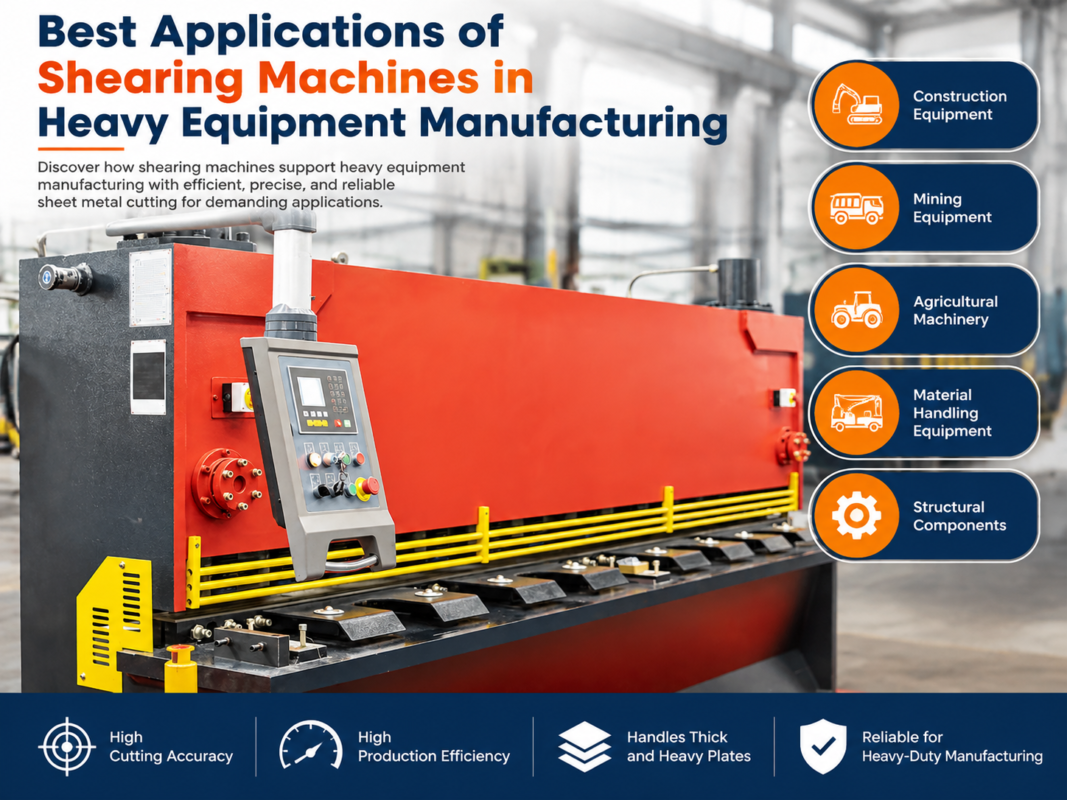
Understanding the mechanical differences between shearing types is crucial for high-volume applications. The two primary designs are the Hydraulic Swing Beam Shear (QC12Y series) and the Hydraulic Guillotine Shear (QC11Y series). While both are effective, they serve different production needs.
The Swing Beam Shear features a top blade that moves in an arc. It is generally simpler in construction and faster for thinner materials. However, because the blade moves in a curve, the rake angle is fixed. In contrast, the Guillotine Shear moves the blade in a strictly vertical path. This allows for an Adjustable Rake Angle. By reducing the rake angle for thinner materials, the machine can minimize “twist” and “bow” in the cut piece—a critical requirement for high-quality blanks in high-volume shops.
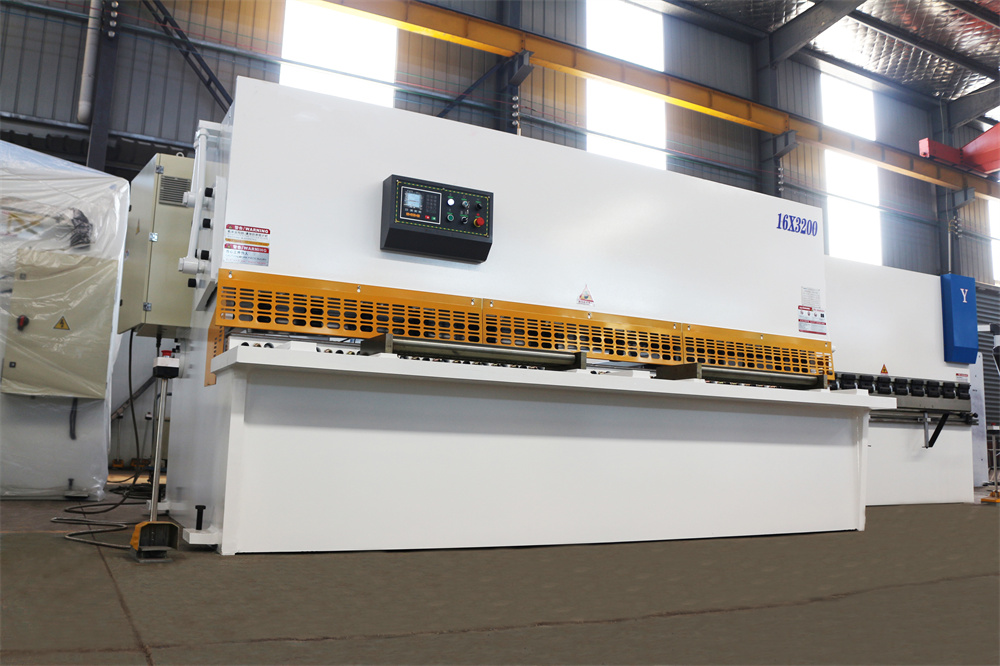
The integration of CNC Controllers like the Delem DAC-360T or the Cybelec CybTouch series has revolutionized shearing. These controllers automatically calculate the required blade gap and rake angle based on the material type and thickness entered by the operator. In a high-volume shop where material batches may change several times a shift, this automation reduces setup time from minutes to seconds. Below is a comparison of typical technical specifications for high-volume shears:
| Feature | Swing Beam (QC12Y) | Guillotine (QC11Y) |
|---|---|---|
| Cutting Action | Circular Arc | Vertical Linear |
| Rake Angle | Fixed | Adjustable (CNC) |
| Blade Gap Adjustment | Manual or Motorized | Automatic (CNC) |
| Precision | High | Ultra-High |
| Best For | General Fabrication | High-Precision/Heavy Plate |
Another technical aspect is the Hydraulic System. High-volume machines generate significant heat. Advanced shears utilize integrated hydraulic valve blocks (often from brands like Bosch Rexroth) and large oil reservoirs with forced-air cooling systems. This ensures the hydraulic fluid maintains a stable viscosity, preventing “drift” in cutting pressure and speed during long shifts.
Specific Metal Shearing Machine Applications in Industry
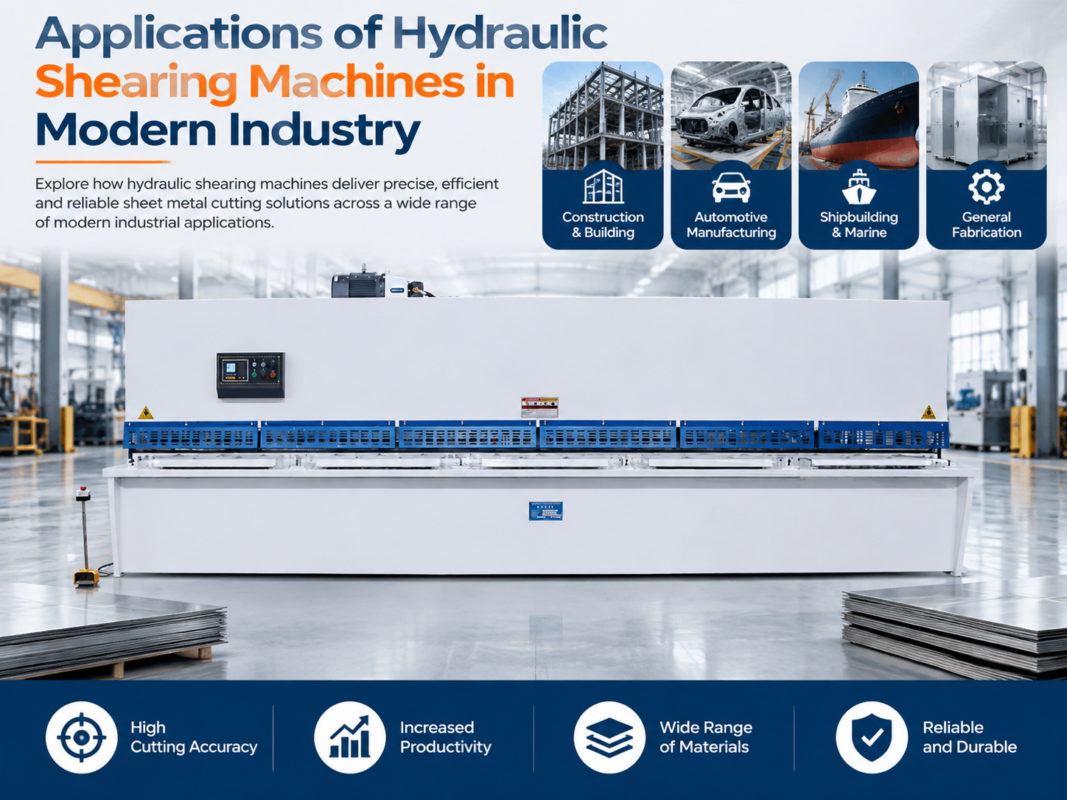
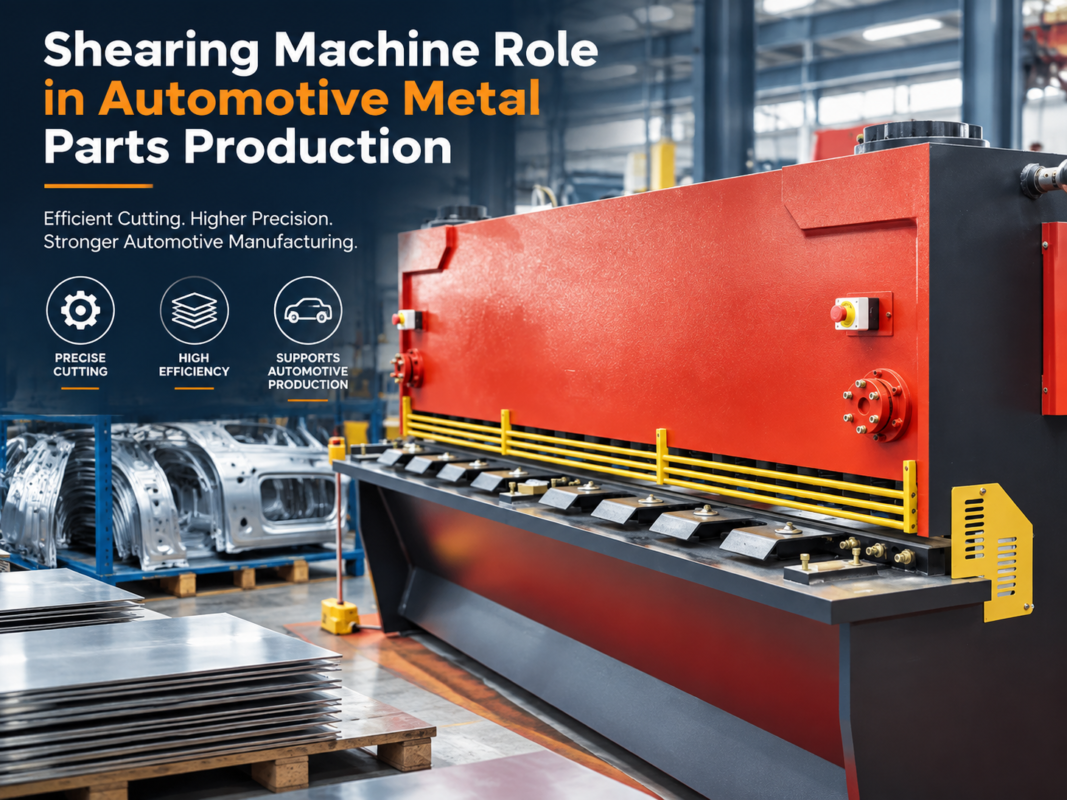
Metal shearing machine applications for high-volume production shops span a wide array of industries, each with unique requirements. In the Automotive Industry, shearing machines are used to create the initial blanks for chassis components, door panels, and internal reinforcements. The speed of the shear allows it to keep up with the massive demand of automotive assembly lines, providing clean edges that are ready for deep-drawing presses.
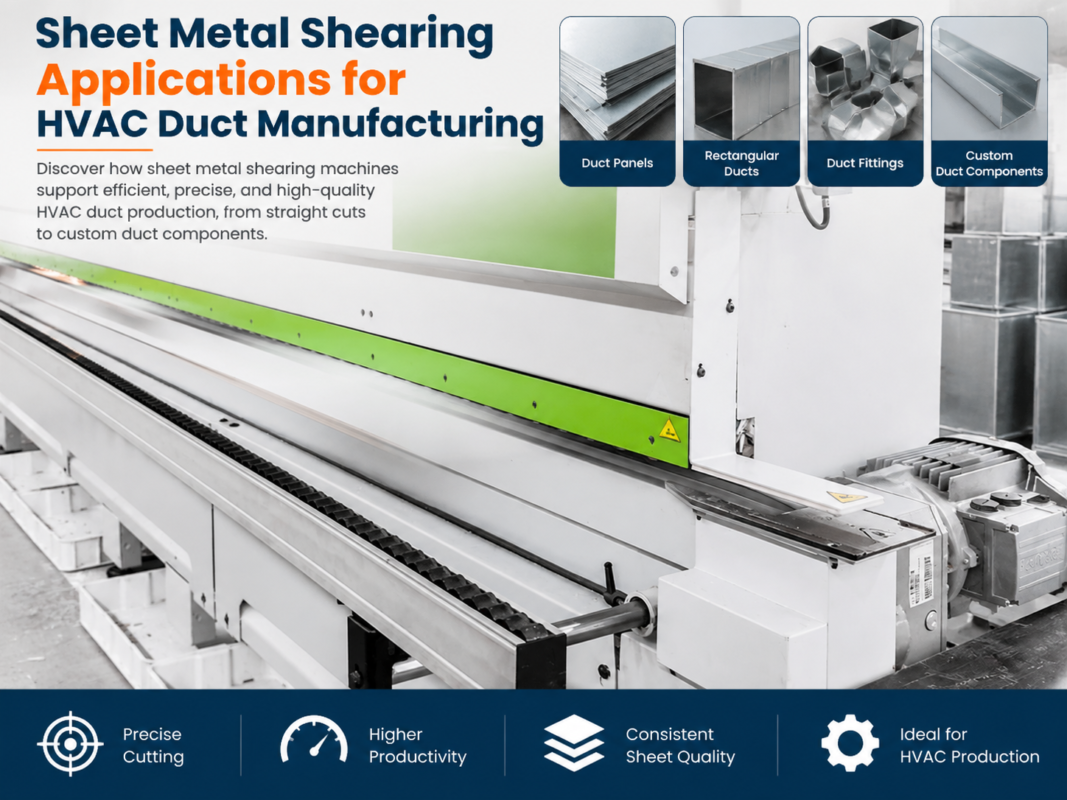
The HVAC (Heating, Ventilation, and Air Conditioning) sector is perhaps one of the largest users of high-volume shearing. Ductwork requires thousands of rectangular sheets of galvanized steel. Here, the focus is on speed and the ability to handle large, thin sheets without deformation. Automated backgauges with “swing-away” features allow for the cutting of strips longer than the backgauge range, providing flexibility for custom duct sizes.
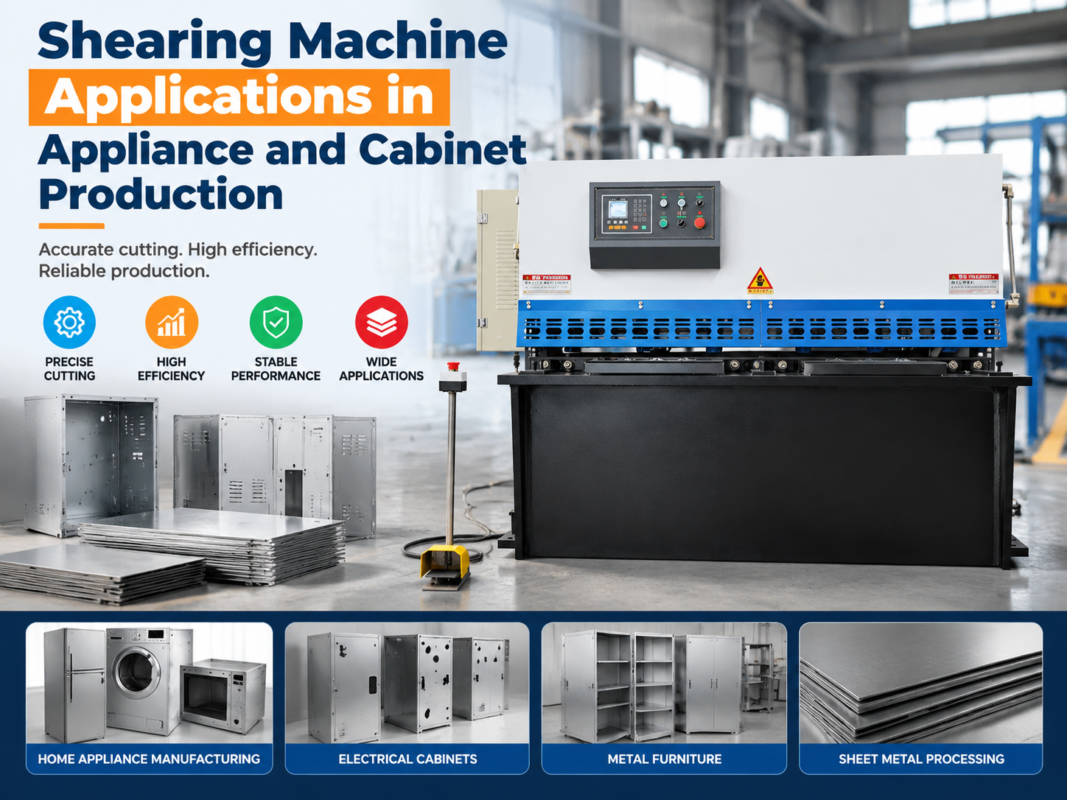
In the Appliance and White Goods industry, shearing machines produce the outer shells for refrigerators, washing machines, and ovens. These applications require a high aesthetic finish; therefore, the shearing machine must be equipped with non-marring hold-downs (often capped with urethane) to prevent marking the pre-painted or stainless steel surfaces. The precision of the cut ensures that when the panels move to the folding or bending station, the seams align perfectly.
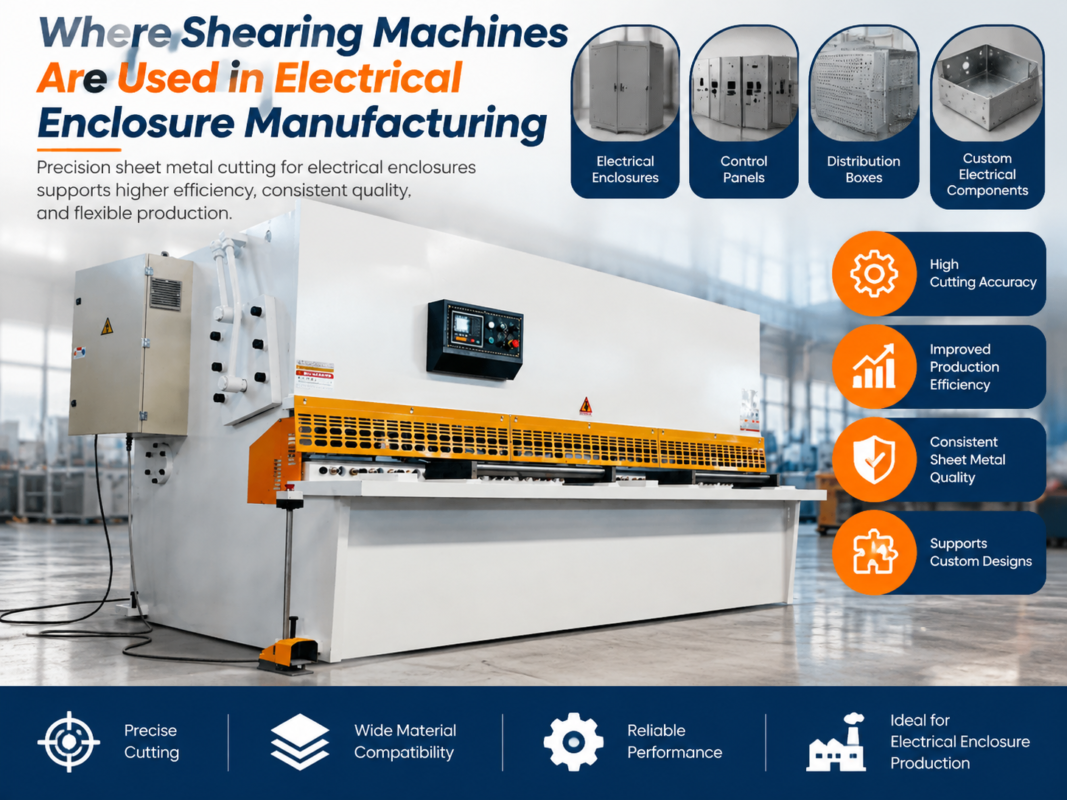
Other applications include Telecommunications Enclosures, Steel Furniture, and Infrastructure Components like road signs and lighting fixtures. In each case, the shearing machine acts as the “gatekeeper” of quality. By ensuring the first cut is square and accurate, the shop reduces scrap rates and prevents costly errors in the more expensive downstream processes like CNC punching or laser welding.
Selection Advice for High-Volume Shops
Choosing the right machine for metal shearing machine applications for high-volume production shops requires a strategic approach. The first step is to define your Maximum Material Thickness and Length. However, do not buy a machine that exactly matches your maximum; for high-volume work, it is advisable to have a 20-30% buffer in capacity. This prevents the machine from constantly operating at its mechanical limit, which extends the life of the hydraulic seals and frame.
Consider the Level of Automation. For shops running three shifts, a CNC-controlled blade gap and rake angle are non-negotiable. The time saved in manual adjustments and the reduction in human error will pay for the higher initial investment within months. Additionally, look for machines with Pneumatic Rear Support Systems. These systems hold the sheet level with the backgauge, ensuring that thin materials don’t sag and result in a short-cut.
Evaluate the After-Sales Support and Parts Availability. In a high-volume environment, a machine being down for a week waiting for a specific hydraulic valve can cost tens of thousands of dollars in lost production. HARSLE emphasizes the use of globally recognized components (like Schneider electrics and Siemens motors) to ensure that wear parts are easily accessible. Furthermore, check the frame construction; a heavy, stress-relieved steel plate welded structure is essential to absorb the vibrations of high-speed shearing.
Maintenance and Longevity in 24/7 Operations
To maintain the efficiency of metal shearing machine applications for high-volume production shops, a rigorous preventative maintenance schedule is mandatory. The most critical task is Blade Management. Operators should regularly check for nicks or dullness. In high-volume shops, blades should be rotated according to a set schedule based on tonnage processed, rather than waiting for the cut quality to degrade.
Lubrication is the lifeblood of the machine. Automated lubrication systems are highly recommended for high-volume shops. These systems ensure that the guideways, backgauge screws, and pivot points receive the correct amount of grease at specific intervals, reducing friction and wear. Without proper lubrication, the heat generated by constant movement can lead to premature failure of the precision components.
Finally, monitor the Hydraulic Oil Quality. High-volume shearing puts immense pressure on the hydraulic fluid. Over time, the oil can oxidize or become contaminated with microscopic metal particles. Regular oil filtration and periodic replacement, along with monitoring the cooling system, will prevent valve sticking and pump failure. A well-maintained HARSLE shearing machine can easily provide decades of service, even in the most grueling high-volume environments.
Frequently Asked Questions (FAQ)
What is the difference between a swing beam and a guillotine shear for high-volume work?
A swing beam shear is generally faster for thinner materials and has a simpler mechanical design, making it easier to maintain. A guillotine shear offers a vertical cut and an adjustable rake angle, which is superior for maintaining flatness in thicker materials and achieving higher precision across a wider range of thicknesses.
How does CNC integration improve high-volume shearing?
CNC integration automates the positioning of the backgauge, the adjustment of the blade gap, and the setting of the rake angle. This eliminates manual setup time, reduces operator error, and allows for the storage of cutting programs for recurring jobs, significantly increasing throughput.
Can shearing machines handle stainless steel in high volumes?
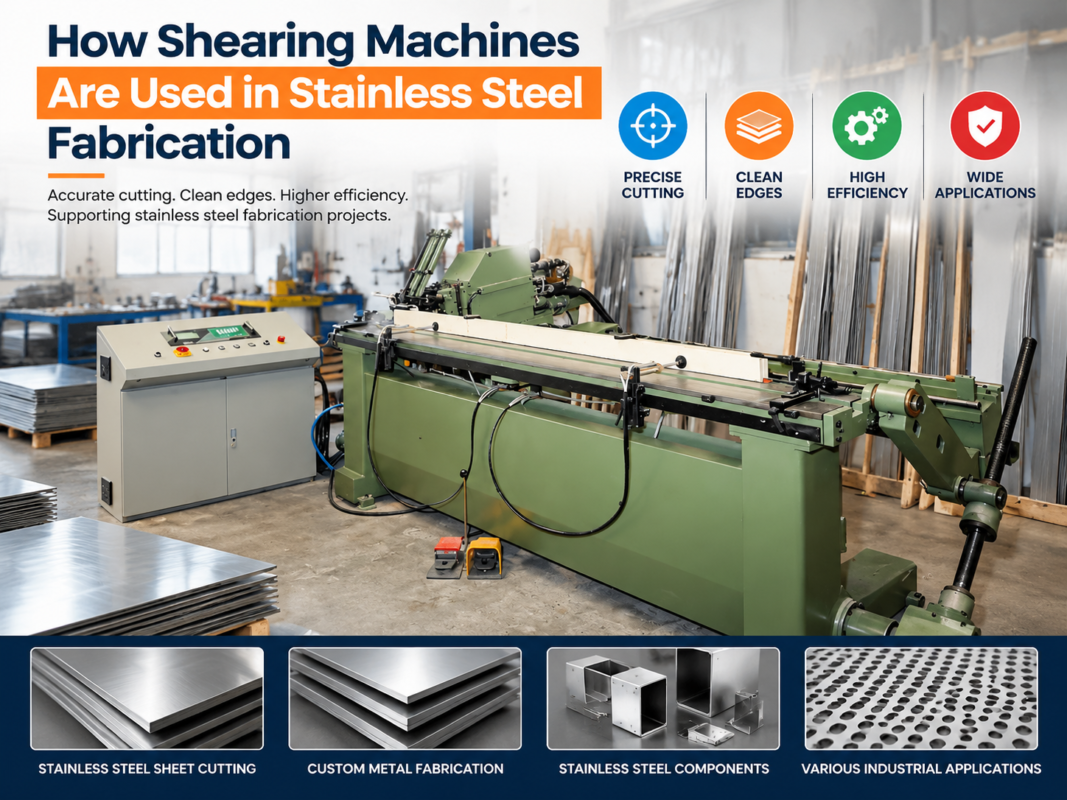
Yes, but it requires specific considerations. Stainless steel is much harder than mild steel, so the machine must be rated for the higher tensile strength. Additionally, the blades must be made of high-quality tool steel (like D2) and the blade gap must be set much tighter to ensure a clean shear without work-hardening the edge.
What are the safety requirements for industrial shearing?
High-volume shops must prioritize safety. Modern machines should include front finger guards, rear light curtains or physical fencing, and emergency stop buttons at multiple locations. Shadow lighting on the cutting line also helps operators position material safely and accurately.
Conclusion
The strategic implementation of metal shearing machine applications for high-volume production shops is a cornerstone of modern manufacturing efficiency. By selecting the right machine—whether a robust guillotine for precision plate work or a high-speed swing beam for thin-gauge sheet—manufacturers can ensure a steady flow of high-quality blanks to their production lines. The combination of CNC automation, advanced hydraulic systems, and durable mechanical design allows these machines to serve as the backbone of the fabrication industry.
As we have explored, the key to success lies in understanding the technical requirements of your specific material, investing in automation to reduce cycle times, and maintaining a strict regimen of preventative care. HARSLE remains committed to providing the high-performance shearing solutions necessary to meet these industrial challenges, helping shops around the world achieve higher productivity, lower scrap rates, and a stronger bottom line. In the competitive landscape of high-volume production, the right shearing machine is not just a tool; it is a vital competitive advantage.