Top Shearing Machine Maintenance Tips to Reduce Downtime and Repair Costs


The Critical Importance of Shearing Machine Maintenance
In the fast-paced world of metal fabrication, the shearing machine stands as a foundational piece of equipment. Whether you are operating a hydraulic swing beam shear or a high-precision guillotine shear, the efficiency of your entire production line often hinges on the reliability of this single machine. Implementing the top shearing machine maintenance tips to reduce downtime and repair costs is not merely a suggestion; it is a financial necessity for any competitive workshop. When a shearing machine fails, the ripple effect is felt across the shop floor, leading to delayed orders, wasted materials, and expensive emergency technician fees.
Maintenance is often viewed as a cost center, but in reality, it is an investment in asset longevity. A well-maintained HARSLE shearing machine can provide decades of service, whereas a neglected one may see its precision degrade within just a few years. By focusing on preventative measures rather than reactive repairs, manufacturers can ensure that their cuts remain clean, their tolerances remain tight, and their operators remain safe. The goal of this guide is to provide a comprehensive roadmap for maintaining your shearing equipment to peak industrial standards.
Beyond the immediate mechanical benefits, consistent maintenance plays a vital role in workplace safety. Shearing machines exert immense force to cut through thick steel plates. Any failure in the hydraulic seals, electrical limit switches, or mechanical fasteners can lead to catastrophic accidents. Therefore, following a rigorous maintenance protocol is as much about protecting your personnel as it is about protecting your profit margins. In the following sections, we will break down the specific areas of focus required to keep your machinery running smoothly.
Finally, understanding the nuances of your specific machine model is key. While general principles apply across the board, HARSLE machines are engineered with specific hydraulic and electronic configurations that benefit from specialized attention. By integrating these top shearing machine maintenance tips to reduce downtime and repair costs into your daily routine, you create a culture of excellence that reflects in the quality of every piece of metal that leaves your facility.
Daily Inspection: The First Line of Defense
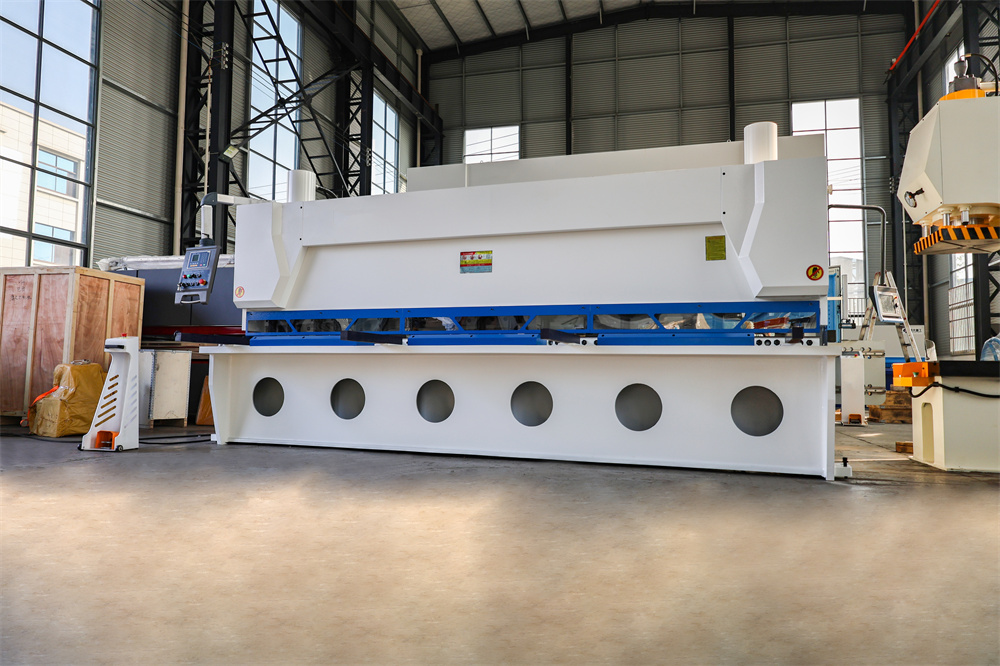
The most effective way to prevent major breakdowns is through a disciplined daily inspection routine. This “walk-around” should be performed at the start of every shift. Operators should begin by clearing the machine of any debris, metal shavings, or offcuts from the previous day. A clean machine allows for easier identification of leaks or cracks that might otherwise be hidden under a layer of industrial dust. Checking the work area for oil spots on the floor is a simple yet effective way to catch hydraulic leaks before they lead to system failure.
During the daily check, special attention must be paid to the blades. Inspect the cutting edges for chips or excessive wear. Even a small nick in the blade can result in a poor-quality cut and put unnecessary strain on the hydraulic system. If your machine features an adjustable blade gap, verify that the setting matches the thickness of the material scheduled for production. Cutting thick plate with a gap set for thin sheet metal can cause the blades to clash or the machine to stall, leading to significant damage.
Safety features must also be tested daily. This includes checking the emergency stop buttons, light curtains, and rear safety fences. If a safety sensor is bypassed or malfunctioning, the machine should be locked out immediately. Furthermore, listen for any unusual sounds during the initial warm-up cycle. Grinding, squealing, or heavy thumping noises are often early warning signs of bearing failure or loose mechanical components. Addressing these issues during a scheduled morning check is far cheaper than dealing with a mid-shift breakdown.
Lastly, check the hydraulic oil level and the pressure gauges. If the oil level is consistently dropping, there is a leak that needs to be addressed. If the pressure readings are erratic, it could indicate air in the lines or a failing pump. By documenting these daily checks in a logbook, you create a historical record that can be invaluable for troubleshooting future issues and proving compliance during safety audits.
Hydraulic System Maintenance and Fluid Care
The hydraulic system is the heart of the shearing machine. It provides the force necessary to shear through heavy-duty metals. To reduce downtime and repair costs, maintaining the hydraulic fluid is paramount. Over time, hydraulic oil can become contaminated with moisture, metal particulates, and heat-induced oxidation. Contaminated oil acts like sandpaper on the internal valves and cylinders, leading to internal leakage and loss of cutting power. It is recommended to change the hydraulic oil every 2,000 to 4,000 hours of operation, or at least once a year, depending on the intensity of use.
Filters are your primary defense against contamination. Most HARSLE shearing machines are equipped with high-quality suction and return line filters. These should be replaced according to the manufacturer’s schedule, or sooner if the filter bypass indicator is triggered. When changing filters, always inspect the old filter for metal shavings; large amounts of metal debris can indicate that a pump or cylinder is beginning to disintegrate internally. This early detection can save thousands of dollars in replacement parts.
Temperature management is another critical aspect of hydraulic health. Hydraulic systems operate best within a specific temperature range, usually between 30°C and 50°C. If the oil becomes too hot, its viscosity drops, leading to poor lubrication and seal damage. Ensure that the cooling system—whether it is an air-cooled heat exchanger or a water-cooled system—is clean and functioning. Check for clogged cooling fins or scale buildup in water lines. Conversely, in cold environments, allow the machine to idle and warm up the oil before performing heavy cuts to prevent cavitation in the pump.
Finally, inspect all hydraulic hoses and fittings for signs of wear, such as bulging, cracking, or weeping oil. High-pressure hoses have a finite lifespan and should be replaced proactively. A burst hose during operation is not only a major safety hazard but also results in a significant environmental cleanup and immediate machine stoppage. Keeping the hydraulic system sealed and the fluid clean is perhaps the single most important factor in reducing long-term repair costs.
Electrical and Control System Integrity
Modern shearing machines rely heavily on sophisticated electrical components and CNC controllers. To ensure these systems remain reliable, regular electrical inspections are necessary. Start by opening the main electrical cabinet (after ensuring the power is disconnected) and checking for dust accumulation. Dust can act as an insulator, causing components like contactors and relays to overheat. Use compressed air or a specialized vacuum to clean the cabinet, ensuring that cooling fans are spinning freely and that air filters are clear.
Loose connections are a common cause of intermittent electrical faults. Over time, the vibrations from the shearing process can loosen terminal screws. Periodically check and tighten all connections in the control panel and at the motor terminals. Inspect the wiring insulation for signs of rubbing or heat damage. If a wire looks scorched, it indicates an overload or a poor connection that is generating heat. Replacing a $10 wire today can prevent the failure of a $2,000 PLC module tomorrow.
The CNC controller and sensors require their own set of checks. Ensure that the backgauge encoders are clean and securely mounted. If the backgauge loses its calibration, it is often due to a loose coupling or a dirty sensor. Regularly back up the machine’s parameters and programs to an external drive. In the event of a controller failure or a battery depletion in the memory module, having a backup will allow you to restore the machine to operation in minutes rather than days of manual reconfiguration.
Grounding is another often-overlooked aspect of electrical maintenance. Ensure the machine is properly grounded to protect the sensitive electronics from power surges and static interference. If your facility experiences frequent power fluctuations, consider installing a dedicated voltage stabilizer for the shearing machine. Protecting the “brain” of the machine is essential for maintaining the precision and repeatability that HARSLE equipment is known for.
Mechanical Components and Blade Management
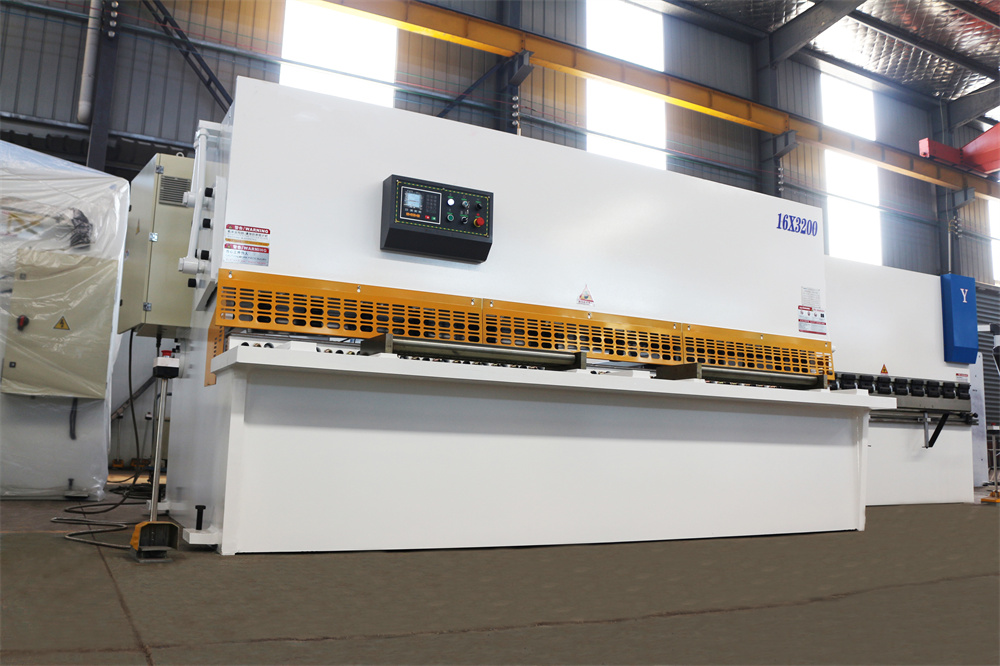
The mechanical integrity of a shearing machine determines the quality of the finished product. The most critical mechanical component is the blade set. Shearing blades typically have four cutting edges. When one edge becomes dull, the blade can be rotated to a fresh edge. It is vital to monitor the sharpness of these edges. A dull blade doesn’t just produce a burred edge on the metal; it also increases the shearing force required, putting excessive stress on the machine’s frame and hydraulic cylinders. Regularly scheduled blade sharpening or rotation is a cornerstone of top shearing machine maintenance tips to reduce downtime and repair costs.
The backgauge system is another area that requires mechanical precision. The lead screws and linear guides of the backgauge should be checked for play or backlash. If the backgauge is not perfectly parallel to the bottom blade, every cut will be tapered. Use a precision dial indicator to check the alignment and adjust the mechanical couplings as necessary. Keeping the backgauge clean and lightly lubricated ensures that it moves smoothly and positions accurately every time.
Hold-down cylinders are responsible for keeping the metal plate stationary during the cut. If these cylinders are leaking or have worn pads, the material may shift during the shearing process, leading to inaccurate cuts and potential blade damage. Inspect the seals on the hold-down cylinders and ensure they provide uniform pressure across the length of the machine. If you notice the material “creeping” during a cut, it is a clear sign that the hold-downs need maintenance.
Finally, inspect the main pivot points and bushings. In swing beam shears, the upper beam pivots on large bearings or bushings. These points endure massive loads and must be checked for excessive clearance. If the pivot points wear out, the blade gap will become inconsistent, making it impossible to achieve a clean cut. Regular lubrication and periodic tightening of all structural bolts will keep the machine’s frame rigid and its movements precise.
Comprehensive Lubrication Plan
Lubrication is the simplest yet most frequently neglected aspect of machinery maintenance. A proper lubrication plan reduces friction, prevents rust, and carries away heat. For a shearing machine, there are several key areas that require different types of lubricants. The main slide ways or guide tracks require a heavy-duty way oil that can withstand high pressure and stay in place. The backgauge lead screws usually require a lighter grease or specialized screw lubricant to ensure smooth movement without attracting excessive dust.
Many modern HARSLE shearing machines come equipped with a centralized lubrication system. This system can be manual (operated by a hand pump) or automatic (controlled by the CNC). If you have an automatic system, ensure the reservoir is always filled with the correct grade of lubricant and check that the distribution lines are not blocked. A blocked line can lead to one bearing being starved of oil while the rest of the machine appears fine. If you have a manual system, establish a strict schedule—such as every 8 hours of operation—to ensure no points are missed.
In addition to the moving parts, it is important to protect the machined surfaces of the table and the blades from corrosion. If the machine is located in a humid environment or will be idle for an extended period, apply a thin coat of rust-preventative oil to the table and the exposed parts of the blades. Rust on the table can scratch the material being processed, while rust on the blades can lead to pitting and premature dulling.
Consistency is the key to a successful lubrication plan. Using the wrong type of grease can be as damaging as using no grease at all. For example, using a thick chassis grease on high-speed ball screws can cause them to overheat and seize. Always refer to the HARSLE operator’s manual for the specific lubricant specifications. By maintaining a thin, consistent film of oil on all moving parts, you significantly reduce the wear and tear that leads to expensive mechanical repairs.
Troubleshooting Signals: Identifying Problems Early
Being able to “read” your machine is a skill that saves time and money. There are several common troubleshooting signals that indicate a shearing machine needs attention. One of the most obvious is the quality of the cut. If the sheared edge has a large burr, it usually means the blade gap is too wide or the blades are dull. If the metal shows signs of “bowing” (curving vertically) or “twisting” (spiraling), it may indicate that the rake angle is too high or the material is not being held securely by the hold-downs.
Vibration is another key indicator. While shearing is naturally a high-impact process, excessive or unusual vibration can point to loose foundation bolts, an unbalanced motor, or a failing hydraulic pump. If the machine starts to vibrate more than usual, stop operation and check the tightness of all mounting hardware. Similarly, if the hydraulic system is making a high-pitched whining noise, it often indicates cavitation, which can destroy a pump in a matter of hours. This is usually caused by a clogged suction filter or a leak in the intake line.
Watch the cycle time of the machine. If the shear is moving slower than it used to, or if the return stroke is sluggish, there may be an internal leak in the cylinders or a problem with the nitrogen return system (if applicable). Many shearing machines use nitrogen-filled accumulators for the return stroke. If the nitrogen pressure drops, the beam will return slowly or not at all. Regularly checking the accumulator pressure is a vital part of the troubleshooting process.
Lastly, pay attention to the electrical control panel. Modern controllers often display error codes. Don’t just clear the code and continue; investigate the root cause. An “Overload” error might mean the motor is working too hard due to dull blades, while a “Positioning Error” might mean the backgauge is binding. By treating every anomaly as a signal for maintenance, you prevent the small issues from snowballing into catastrophic failures.
Shearing Machine Maintenance Schedule Table
To help you implement these top shearing machine maintenance tips to reduce downtime and repair costs, use the following table as a baseline for your preventative maintenance program.
| Frequency | Task Description | Component Focus |
|---|---|---|
| Daily | Clean machine table and work area; check oil levels; test E-stops. | General / Safety |
| Daily | Inspect blade edges for chips; verify blade gap setting. | Blades |
| Weekly | Lubricate backgauge lead screws and linear guides. | Mechanical |
| Weekly | Check hydraulic hoses for leaks or abrasions. | Hydraulic |
| Monthly | Inspect electrical cabinet; tighten loose terminals; clean filters. | Electrical |
| Monthly | Check nitrogen pressure in return accumulators. | Pneumatic/Hydraulic |
| Every 6 Months | Rotate or sharpen blades; check beam pivot bushings. | Mechanical |
| Annually | Change hydraulic oil and all system filters; calibrate backgauge. | Hydraulic / CNC |
Frequently Asked Questions (FAQ)
1. How often should I sharpen my shearing machine blades?
The frequency of sharpening depends on the material type and thickness you are cutting. Generally, if you notice a significant burr on the cut edge or if the machine requires more pressure to cut, it’s time to rotate or sharpen the blades. For high-volume shops, this might be every 6 to 12 months.
2. What type of hydraulic oil is best for HARSLE shearing machines?
Most hydraulic shearing machines use ISO VG 46 or ISO VG 68 anti-wear hydraulic oil. Always consult your specific HARSLE manual, as the climate of your workshop can influence the recommended viscosity.
3. Why is my shearing machine making a loud banging noise during the cut?
A loud banging noise can be caused by several factors: the blade gap being too wide for the material, loose foundation bolts, or the hold-down cylinders not engaging properly before the cut begins. It is important to diagnose this immediately to prevent frame damage.
4. Can I use the same maintenance schedule for a mechanical shear and a hydraulic shear?
While the blade and backgauge maintenance are similar, mechanical shears require more focus on the clutch, brake, and flywheel systems, whereas hydraulic shears require focus on oil quality, seals, and valves. Always follow the specific guide for your machine type.
5. How do I know if my backgauge is out of alignment?
The easiest way is to cut a wide piece of metal and measure the width at both ends. If the measurements differ, your backgauge is likely out of parallel with the blade. You can also use a dial indicator to check the distance from the blade to the backgauge bar at various points.
6. What is the benefit of a nitrogen return system?
Nitrogen return systems (common in swing beam shears) provide a faster and smoother return stroke compared to purely hydraulic returns. This increases your strokes-per-minute and reduces the heat generated in the hydraulic system.
Conclusion: Maximizing Your Investment
Implementing the top shearing machine maintenance tips to reduce downtime and repair costs is the most effective way to ensure your HARSLE equipment remains a productive asset for years to come. By combining daily vigilance with a structured long-term maintenance schedule, you can eliminate the vast majority of common machine failures. Remember that maintenance is a team effort; involving your operators in the daily checks not only helps catch problems early but also fosters a sense of ownership and care for the machinery.
In the competitive landscape of metal fabrication, the difference between profit and loss often comes down to machine uptime. A machine that is always ready to work, produces accurate parts, and operates safely is the hallmark of a well-managed facility. By following the hydraulic, electrical, and mechanical guidelines outlined in this article, you are setting your business up for operational excellence and long-term success.