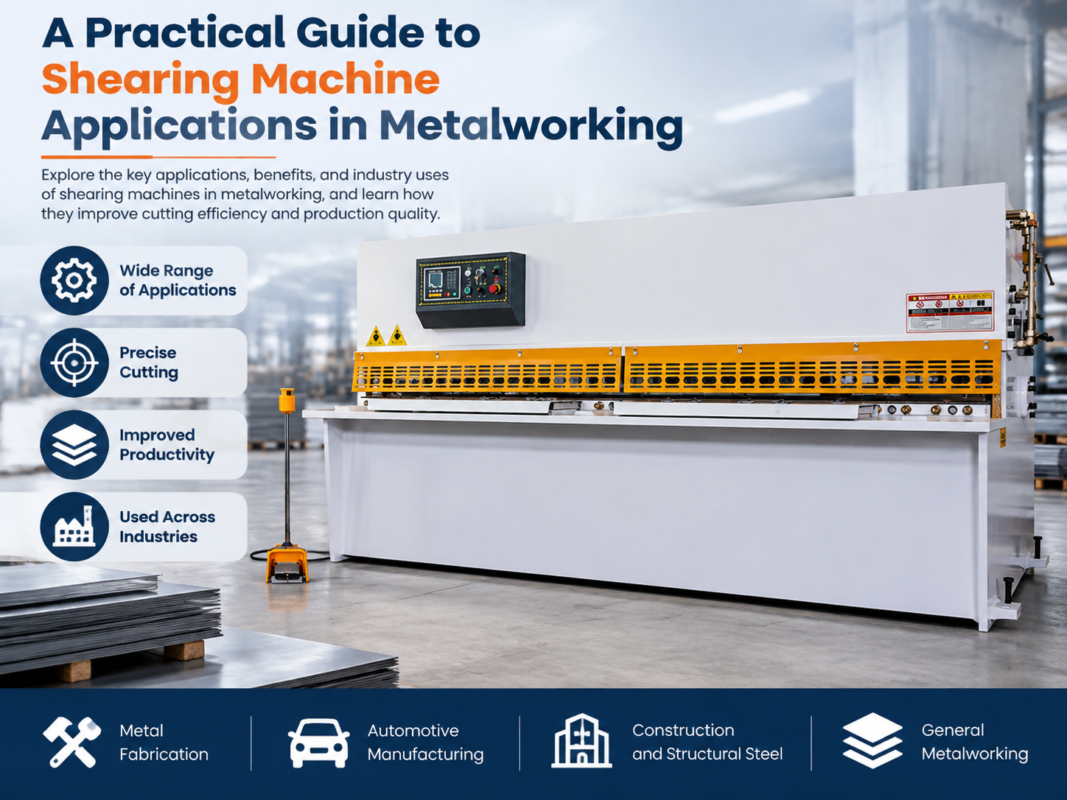
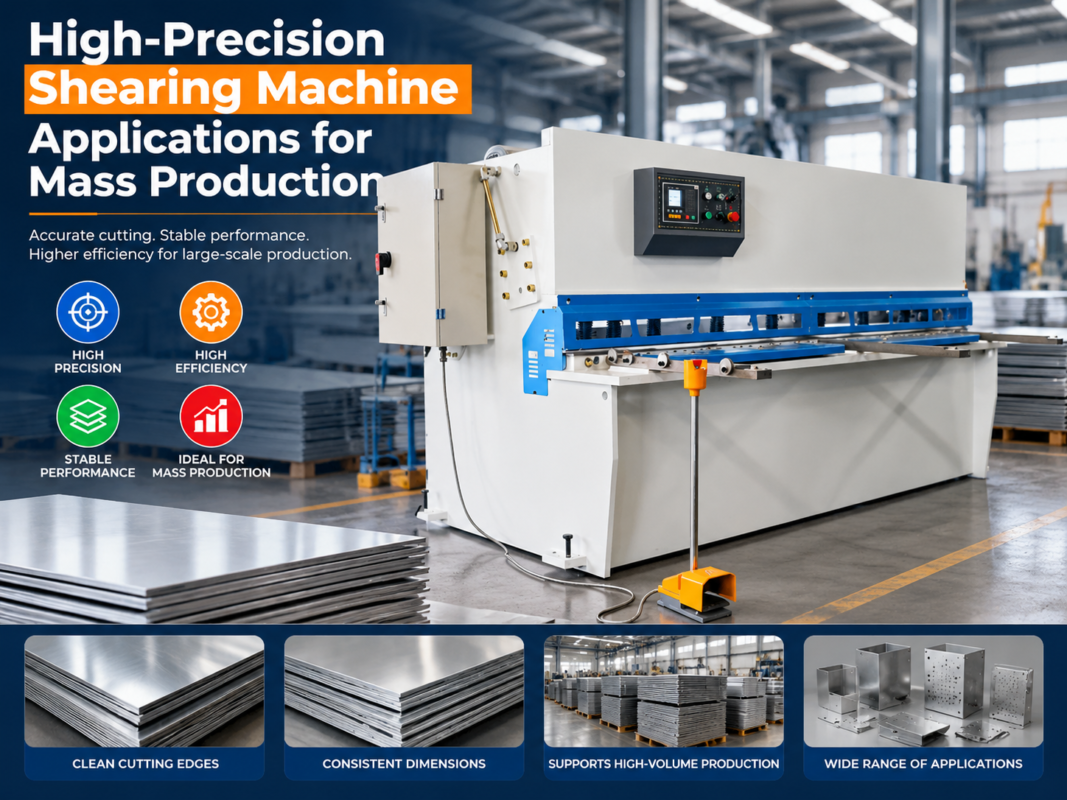
How to Inspect Shearing Machine Blades for Clean Cuts and Safer Operation


The Critical Importance of Shearing Machine Maintenance
In the high-stakes world of metal fabrication, the shearing machine stands as a cornerstone of production. Whether you are operating a hydraulic swing beam shear or a guillotine shear, the quality of your output is directly tied to the condition of your blades. To Inspect Shearing Machine Blades Clean Cuts Safer Operation is not merely a suggestion; it is a fundamental requirement for any facility aiming for precision and longevity. When blades are neglected, the entire machine suffers. Increased tonnage is required to force a dull edge through metal, which puts unnecessary strain on the hydraulic pumps, cylinders, and the structural frame of the machine itself.
Beyond the mechanical strain, the quality of the finished product is the first casualty of poor blade maintenance. Dull or improperly gapped blades produce burrs, deformation, and inaccuracies that can ruin expensive raw materials. In many industries, such as aerospace or automotive manufacturing, even a slight deviation in cut quality can lead to the rejection of an entire batch. By implementing a rigorous inspection routine, operators ensure that every cut is clean, reducing the need for secondary finishing processes like grinding or deburring, which saves both time and labor costs.
Safety is perhaps the most vital reason to prioritize blade inspection. A shearing machine is a powerful piece of industrial equipment capable of exerting hundreds of tons of force. If a blade is cracked or if the mounting bolts have loosened, the risk of catastrophic failure increases exponentially. Shards of metal or even fragments of the blade itself can become dangerous projectiles. Furthermore, a machine that is struggling to cut due to dull blades is more likely to experience unexpected jams or hydraulic failures, creating a hazardous environment for the operator. Regular inspections are the first line of defense in a comprehensive workplace safety program.
HARSLE understands that downtime is the enemy of profitability. That is why we emphasize a proactive approach to maintenance. By identifying wear and tear before it leads to a breakdown, fabrication shops can schedule maintenance during off-peak hours, ensuring that the production line remains fluid. In the following sections, we will delve into the specific steps required to effectively Inspect Shearing Machine Blades Clean Cuts Safer Operation, providing you with the technical knowledge needed to keep your HARSLE equipment running at peak performance.
Daily Inspection Routine for Shearing Machine Blades
The daily inspection is a quick but essential process that should be performed at the start of every shift. This routine ensures that no significant damage occurred during the previous shift and that the machine is ready for the day’s tasks. The first step is a visual sweep of the blade edges. Operators should look for visible chips, nicks, or signs of “rolling” on the cutting edge. Even a small chip can create a recurring defect in every piece of metal processed, leading to significant waste over time.
Cleaning the blades is a critical part of the daily routine. During the shearing process, small fragments of metal, scale, and dust can accumulate on the blade surfaces and in the gap between the upper and lower blades. If left unchecked, this debris can be compressed during the next cut, leading to localized high-pressure spots that can cause micro-cracking in the blade material. Use a stiff brush or compressed air (while wearing appropriate eye protection) to clear the cutting area. Ensure the machine is fully powered down and locked out before reaching near the blades.
Checking the blade gap is another daily necessity. The gap between the upper and lower blades must be adjusted according to the thickness and type of material being cut. If the gap is too wide, the metal will bend rather than shear, resulting in a heavy burr. If the gap is too tight, the blades may rub against each other, causing rapid wear or even breakage. Most modern HARSLE shearing machines feature a quick-adjust mechanism, but it is still vital to verify the setting with a feeler gauge at multiple points along the length of the blade to ensure uniformity.
Finally, the daily inspection should include a check of the hold-down cylinders. These hydraulic components are responsible for gripping the sheet metal firmly against the table before the cut begins. If the hold-downs are leaking or not applying even pressure, the material may shift during the shearing process. This movement not only results in an inaccurate cut but can also cause the material to “kick back,” potentially damaging the blades or injuring the operator. Ensure all hold-down pads are clean and functioning correctly.
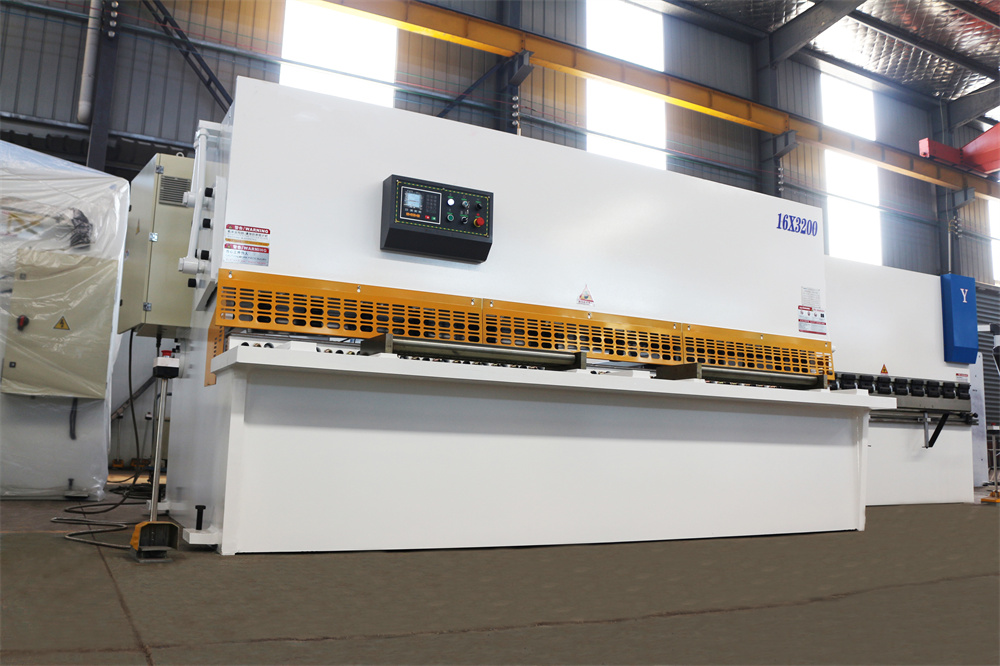
Comprehensive Hydraulic, Electrical, and Mechanical Checks
While the blades are the focus, they do not operate in a vacuum. The systems that drive them must also be in top condition. Starting with the hydraulic system, operators must monitor oil levels and the condition of the hydraulic fluid. Contaminated oil can lead to erratic blade movement and premature wear of the valves and cylinders. Check for leaks around the main cylinders and the hydraulic power unit. A drop in pressure often indicates a leak or a failing pump, both of which will prevent the blades from delivering the clean cuts required for high-quality fabrication.
Electrical systems require equal attention. The control panel is the brain of the shearing machine, managing the stroke length, backgauge position, and safety interlocks. Inspect the wiring for any signs of fraying or heat damage. Ensure that all emergency stop buttons are fully functional and easily accessible. In many cases, an inconsistent cut can be traced back to an electrical fault in the backgauge motor or the limit switches, which prevents the machine from cycling correctly. Regular calibration of the digital readout (DRO) or CNC controller is essential for maintaining dimensional accuracy.
Mechanical checks involve the structural integrity of the machine. The “ways” or guideways that the upper blade beam slides upon must be checked for scoring or excessive play. If the beam is not moving in a perfectly linear path, the blade gap will vary throughout the stroke, making it impossible to achieve a clean cut. Tighten all mounting bolts, especially those securing the blades to the beam and the table. The vibration inherent in shearing can cause these bolts to loosen over time, which is a leading cause of blade misalignment and breakage.
The backgauge system is another mechanical area that demands scrutiny. The backgauge must remain perfectly parallel to the cutting edge. If it becomes skewed, every piece of metal cut will be out of square. Check the lead screws and nuts for wear and ensure the backgauge fingers are not bent or damaged. A well-maintained backgauge not only ensures accuracy but also speeds up production by allowing the operator to position material quickly and confidently. To Inspect Shearing Machine Blades Clean Cuts Safer Operation, one must look at the machine as a holistic system where every part supports the cutting edge.
Establishing a Robust Lubrication Plan
Lubrication is the lifeblood of industrial machinery, and shearing machines are no exception. Without proper lubrication, the friction generated during the shearing cycle will lead to rapid heat buildup and mechanical wear. A robust lubrication plan should specify the type of lubricant to be used, the points of application, and the frequency of service. For most HARSLE shearing machines, a high-quality lithium-based grease or a specific hydraulic oil is recommended, depending on the component.
The primary lubrication points are the guideways (the tracks the blade beam moves along) and the pivot points in swing-beam models. These areas experience constant movement and high pressure. If they run dry, the metal-on-metal contact will score the surfaces, leading to jerky movements and eventually a complete seizure of the machine. Many modern machines are equipped with an automatic lubrication system. While convenient, these systems must be checked regularly to ensure the reservoir is full and the delivery lines are not blocked.
Bearings in the motor and the backgauge drive system also require periodic lubrication. Over-lubrication can be just as damaging as under-lubrication, as it can attract dust and metal shavings, creating an abrasive paste that wears down components. Follow the manufacturer’s guidelines for the exact amount of grease required. It is also a good practice to wipe away old grease before applying new lubricant to prevent the buildup of contaminants.
Finally, the blades themselves can benefit from a light application of oil, especially when cutting certain types of materials like aluminum or galvanized steel, which tend to “pick up” or weld themselves to the blade edge. A light mist or wipe of lubricant can prevent this material transfer, ensuring the blades remain clean and the cuts remain sharp. This simple step can significantly extend the time between blade sharpenings and is a key part of the strategy to Inspect Shearing Machine Blades Clean Cuts Safer Operation.

Troubleshooting Signals: Identifying Blade and Machine Issues
Even with a rigorous maintenance schedule, issues can arise. Being able to read the “signals” your machine is sending can prevent a minor problem from becoming a major failure. One of the most common signals of dull blades is the appearance of a large burr on the bottom edge of the cut material. While all shearing produces a small burr, an excessive or sharp burr indicates that the blades are tearing the metal rather than cutting it. Similarly, if the cut edge appears “crushed” or deformed, it is a sign that the blade gap is too tight or the blades have lost their keen edge.
Unusual noises are another clear indicator of trouble. A shearing machine should operate with a consistent, rhythmic sound. If you hear banging, grinding, or high-pitched squealing, stop the machine immediately. Banging often indicates loose mounting bolts or a problem with the nitrogen return cylinders. Grinding suggests a lack of lubrication on the guideways, while squealing usually points to a hydraulic issue, such as cavitation in the pump or a restricted valve. Ignoring these sounds will invariably lead to a breakdown.
Material deformation, such as “bowing,” “twisting,” or “cambering,” can also signal issues with the machine’s setup. Bowing occurs when the sheared strip curls into an arch; this is often caused by excessive rake angle or lack of proper support. Twisting happens when the strip twists along its axis, usually due to a blade gap that is too wide or uneven hold-down pressure. Cambering is when the strip curves horizontally. By analyzing the specific type of deformation, an experienced operator can pinpoint whether the issue lies with the blade condition, the machine settings, or the material itself.
Finally, monitor the hydraulic pressure gauge during the cut. If the pressure required to cut a standard thickness of material suddenly increases, it is a definitive sign that the blades are dull. The machine is working harder to achieve the same result, which increases heat and wear on the hydraulic seals. By paying attention to these troubleshooting signals, you can Inspect Shearing Machine Blades Clean Cuts Safer Operation more effectively, intervening at the first sign of trouble to maintain the high standards of HARSLE machinery.
Comprehensive Maintenance Schedule Table
To maintain peak performance, follow this structured maintenance schedule. This table serves as a checklist for operators and maintenance technicians to ensure no critical task is overlooked.
| Frequency | Component | Action Required | Objective |
|---|---|---|---|
| Daily | Blades & Gap | Visual check for chips; verify gap with feeler gauge. | Ensure clean cuts and prevent blade rubbing. |
| Daily | Hydraulic System | Check oil level and look for external leaks. | Maintain consistent cutting power. |
| Daily | Safety Features | Test E-stops, light curtains, and hold-downs. | Ensure operator safety. |
| Weekly | Lubrication Points | Apply grease to guideways and pivot points. | Reduce friction and prevent mechanical wear. |
| Weekly | Backgauge | Clean lead screws and check for parallelism. | Maintain dimensional accuracy. |
| Monthly | Electrical Connections | Inspect control panel wiring and tighten terminals. | Prevent intermittent electrical faults. |
| Monthly | Blade Bolts | Check and torque all blade mounting bolts. | Prevent blade shifting or breakage. |
| Every 6 Months | Hydraulic Oil | Inspect oil quality; replace filter elements. | Extend the life of hydraulic components. |
| Yearly | Full Calibration | Professional inspection of frame, beam, and CNC. | Ensure machine meets original factory specs. |
Frequently Asked Questions (FAQ)
How often should I sharpen my shearing machine blades?
The frequency of sharpening depends on the volume of work and the type of material being cut. Stainless steel, for example, will dull blades much faster than mild steel. A general rule of thumb is to inspect the quality of the cut; once burrs become unacceptable or the tonnage required increases significantly, it is time for a regrind. Most HARSLE blades are four-sided, meaning you can rotate them three times to a fresh edge before needing a professional sharpening service.
Can I cut hardened steel with a standard shearing machine?
It is not recommended to cut hardened steel or materials with a high carbon content unless your machine and blades are specifically rated for it. Cutting material that is harder than the blade’s design capacity can cause immediate chipping or catastrophic cracking of the blade. Always check the material’s tensile strength and hardness against the machine’s specifications provided in the HARSLE manual.
What is the most common cause of a “crooked” cut?
A crooked or out-of-square cut is usually caused by one of three things: an improperly aligned backgauge, insufficient hold-down pressure allowing the sheet to move, or an uneven blade gap. Start by checking the backgauge parallelism. If that is correct, ensure the hold-down cylinders are gripping the material firmly across its entire width. Finally, use a feeler gauge to check that the blade gap is consistent from the left side of the machine to the right.
Why is my shearing machine making a loud banging noise at the end of the stroke?
A loud bang at the end of the stroke often indicates that the nitrogen return cylinders (on swing beam shears) are low on pressure or that the mechanical buffers are worn out. This causes the beam to return too violently or bottom out. It could also indicate that the blade gap is so tight that the blades are physically striking each other. Immediate inspection is required to prevent structural damage to the beam or the frame.
Is it necessary to replace all blades at once?
Yes, it is highly recommended to replace or sharpen both the upper and lower blades as a set. Using a new upper blade with a worn lower blade will result in inconsistent cut quality and can cause the new blade to wear prematurely. For the best results and to Inspect Shearing Machine Blades Clean Cuts Safer Operation, always maintain the blades as a matched pair to ensure a uniform cutting interface.