Laser Cutting Machine Case Study: Higher ROI In A Sheet Metal Workshop


Introduction to the Laser Cutting Revolution in Sheet Metal Workshops
In the modern industrial landscape, the quest for efficiency and profitability is never-ending. For sheet metal workshops, the transition from traditional cutting methods—such as plasma, waterjet, or mechanical punching—to advanced fiber laser technology represents a pivotal shift. This Laser Cutting Machine Case Study: Higher ROI In A Sheet Metal Workshop explores how integrating high-performance HARSLE fiber laser machines can fundamentally alter the financial trajectory of a fabrication business. By focusing on precision, speed, and reduced operational costs, workshops are finding that the initial capital expenditure is quickly offset by massive gains in productivity.
The core of this transformation lies in the physics of fiber lasers. Unlike CO2 lasers that rely on gas mixtures and mirrors, fiber lasers use a solid-state medium to generate a beam that is delivered via a flexible fiber optic cable. This results in a much higher energy density and a smaller focal point, allowing for faster cutting speeds on thin to medium-thickness materials. For a workshop owner, this means more parts produced per hour, less material waste, and a significantly lower cost per part. In this article, we will dissect the various factors that contribute to a higher Return on Investment (ROI) and provide a roadmap for workshops looking to upgrade their capabilities.
HARSLE has been at the forefront of this technological evolution, providing robust and user-friendly laser cutting solutions tailored to the needs of small to medium-sized enterprises (SMEs) and large-scale industrial plants alike. Through this case study, we will examine the real-world implications of adopting fiber laser technology, from the technical specifications that drive performance to the strategic selection advice that ensures long-term success. Whether you are cutting stainless steel, carbon steel, aluminum, or brass, understanding the ROI dynamics is essential for staying competitive in today’s market.
Key Considerations for Maximizing ROI in Laser Cutting
When evaluating the potential ROI of a laser cutting machine, workshop managers must look beyond the sticker price. The true value of the machine is found in its Total Cost of Ownership (TCO) and its ability to generate revenue. One of the primary considerations is the reduction in secondary operations. Traditional cutting methods often leave burrs or heat-affected zones that require manual grinding or deburring. A high-quality fiber laser produces clean, precise edges that are often ready for the next stage of production—be it welding or painting—immediately after cutting. This saves hundreds of man-hours over the course of a year.
Another critical factor is material utilization. Advanced nesting software, which often comes integrated with HARSLE machines, allows operators to arrange parts on a sheet of metal with minimal gaps. Because the laser beam is so narrow (the kerf width is typically less than 0.2mm), parts can be placed closer together than with plasma or mechanical tools. This leads to a significant reduction in scrap metal. In a high-volume workshop, a 5% to 10% improvement in material yield can translate into thousands of dollars in savings every month, directly impacting the ROI.
Energy efficiency is also a major contributor to the Laser Cutting Machine Case Study: Higher ROI In A Sheet Metal Workshop. Fiber lasers are approximately 3 to 4 times more energy-efficient than CO2 lasers. They require no warm-up time and consume very little power when in standby mode. Furthermore, the lack of moving parts in the laser source and the absence of mirrors to align mean that maintenance costs are drastically lower. Workshops can expect up to 100,000 hours of life from a fiber laser source, ensuring that the machine remains a productive asset for over a decade with minimal intervention.
Finally, labor costs and operator skill levels must be considered. Modern CNC systems, such as the CypCut software used in many HARSLE machines, are designed with intuitive interfaces. This reduces the learning curve for new operators and allows a single technician to oversee multiple machines. Automation features, such as automatic nozzle cleaning and exchange tables, further reduce the need for manual labor, allowing the workshop to run “lights-out” operations or extended shifts without increasing headcount.
Technical Details: The Engine of Productivity
To understand why a fiber laser delivers such high ROI, one must look at the technical components that make up the system. The heart of the machine is the laser source, typically provided by industry leaders like Raycus or IPG. These sources are available in various power ratings, from 1kW for thin sheet applications to 30kW+ for heavy industrial plate cutting. The power level directly dictates the cutting speed and the maximum thickness the machine can handle. For instance, a 6kW laser can cut 20mm carbon steel with ease, while a 3kW machine might struggle or cut at a much slower, less economical pace.
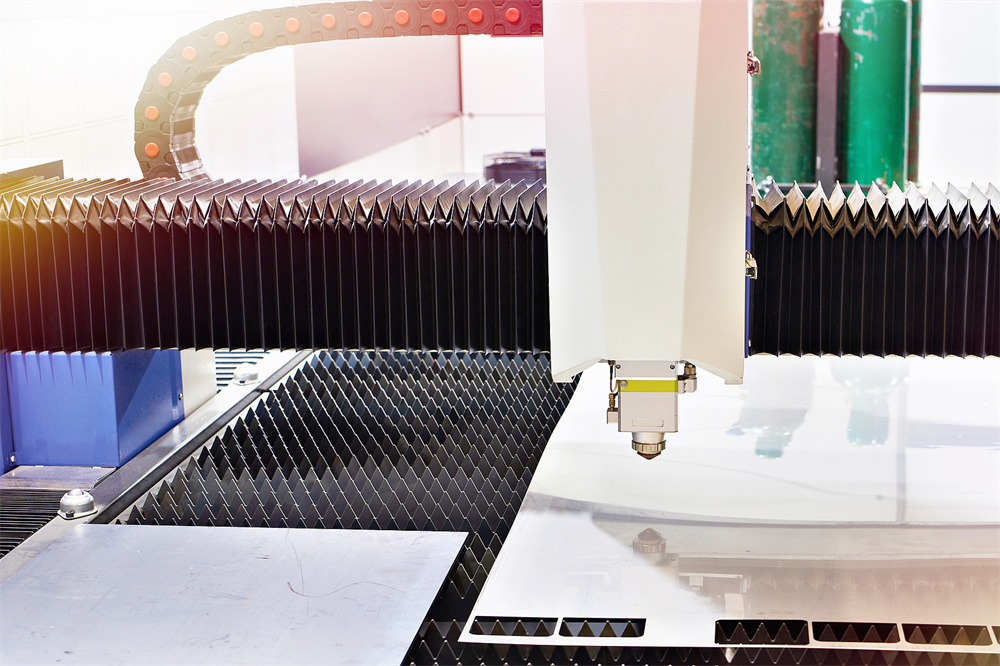
The cutting head is another vital component. Modern heads feature autofocus capabilities, which adjust the focal position based on the material thickness and type automatically. This ensures consistent cut quality across the entire sheet and prevents damage to the nozzle. Additionally, the use of high-quality optical lenses and protective windows is crucial for maintaining beam integrity. HARSLE machines often incorporate Swiss-designed Raytools or similar high-end cutting heads to ensure that the precision of the laser source is translated perfectly onto the workpiece.
| Feature | Technical Specification | Impact on ROI |
|---|---|---|
| Laser Source | Fiber (Raycus/IPG) 1kW – 30kW | High wall-plug efficiency; long lifespan (100k hours). |
| Drive System | Dual-drive Rack & Pinion (YYC/Alpha) | High acceleration (up to 1.5G) reduces cycle times. |
| CNC System | CypCut / HypCut Control | Advanced nesting and path optimization reduces waste. |
| Cooling System | Dual-temperature Water Chiller | Protects optics and source, ensuring 24/7 operation. |
| Bed Structure | Heavy-duty Plate Welded or Cast Iron | Prevents vibration, maintaining precision over years. |
The mechanical structure of the machine—the bed and the gantry—must be rigid enough to handle the high accelerations of fiber laser cutting. HARSLE utilizes a heavy-duty plate-welded bed that undergoes stress-relief annealing to ensure long-term stability. If the bed were to warp or vibrate, the precision of the cut would suffer, leading to rejected parts and lost revenue. The use of high-precision linear guides and rack-and-pinion systems from reputable brands like HIWIN or YYC ensures that the machine can maintain tolerances of ±0.03mm even at high speeds.
Selection Advice: Choosing the Right Machine for Your Workshop
Selecting the right machine is the most critical step in ensuring a high ROI. The first question every workshop owner should ask is: “What is my primary material and thickness range?” While it might be tempting to buy the highest wattage available, it is not always the most cost-effective choice. If 90% of your work involves 3mm stainless steel, a 3kW machine is more than sufficient and will offer a faster payback period than a 12kW machine. However, if you plan to expand into heavy machinery parts, investing in higher power now may prevent the need for a second machine later.
Consider the format of the machine. Standard bed sizes are 3000x1500mm (10x5ft) and 4000x2000mm. If you frequently work with large sheets, a larger bed reduces the need for pre-cutting material, saving time. Furthermore, an exchange table (shuttle table) is highly recommended for workshops with high production volumes. An exchange table allows the operator to load a new sheet and unload finished parts while the machine is still cutting on the other table. This can increase machine utilization by up to 50%, significantly boosting the ROI.
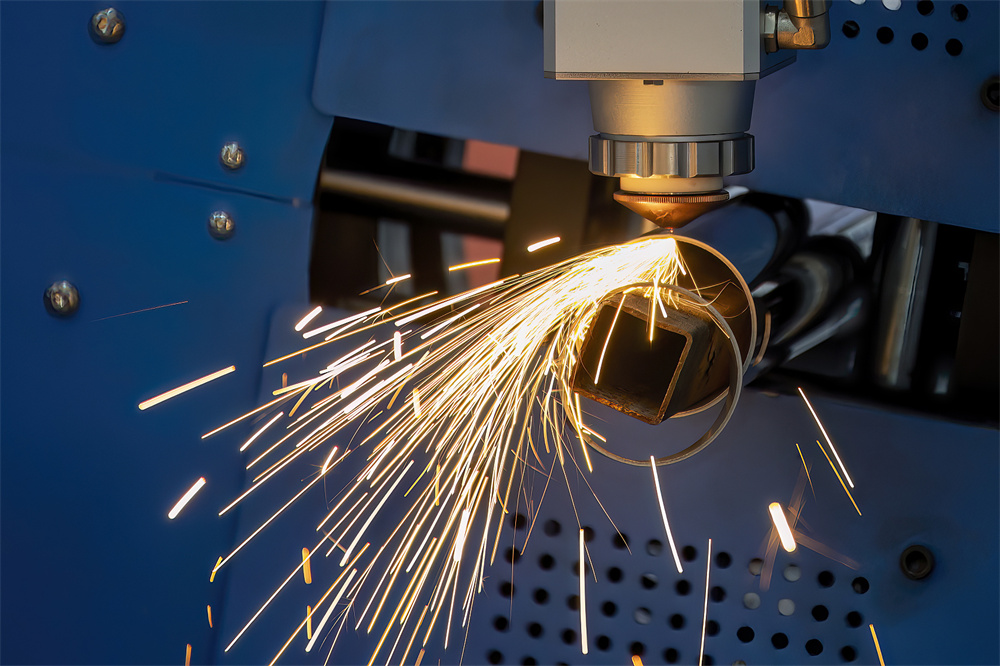
Don’t overlook the importance of software and integration. A machine is only as good as the instructions it receives. Ensure the CNC system supports common file formats (DXF, AI, PLT) and offers robust nesting features. Some HARSLE models also offer tube-cutting attachments or dedicated tube-cutting beds. If your workshop handles both flat sheets and profiles, a 2-in-1 machine can save floor space and capital investment compared to buying two separate units. Always check the availability of local technical support and spare parts, as downtime is the greatest enemy of ROI.
Finally, evaluate the auxiliary equipment. The choice of assist gas (Oxygen, Nitrogen, or Compressed Air) has a massive impact on operating costs. Nitrogen provides the cleanest cut for stainless steel but is expensive. Many modern workshops are switching to high-pressure air cutting for thin materials, which uses a specialized compressor to eliminate gas costs entirely. Including a high-quality air compressor in your initial purchase can be one of the fastest ways to improve your Laser Cutting Machine Case Study: Higher ROI In A Sheet Metal Workshop results.
Case Study Analysis: A Real-World ROI Transformation
Let’s look at a hypothetical but representative case study of “Precision Fab Ltd,” a medium-sized sheet metal workshop. Before investing in a HARSLE 6kW Fiber Laser, they relied on a high-definition plasma cutter and two manual punching machines. Their primary challenges were slow production speeds, high electricity bills, and the need for three full-time employees to deburr parts manually. Their scrap rate was hovering around 12% due to the wide kerf of the plasma torch and poor nesting capabilities.
After installing the HARSLE fiber laser, the results were immediate. The cutting speed for their most common material (6mm carbon steel) increased from 1.5 meters per minute to over 8 meters per minute. The precision of the laser meant that parts fit together perfectly during the welding phase, reducing assembly time by 20%. Most importantly, the edge quality was so high that the manual deburring station was eliminated, allowing those two employees to be reassigned to more value-added tasks like CNC folding and quality control.
In terms of hard numbers, Precision Fab Ltd saw their monthly electricity bill drop by 30% despite increasing their total output. Their material scrap rate fell from 12% to 4% thanks to the advanced nesting software. Within the first year, the workshop calculated that the machine had saved them $85,000 in labor and material costs alone. When combined with the increased revenue from taking on more complex, high-margin projects that the plasma cutter couldn’t handle, the machine paid for itself in just 14 months. This is a classic example of how the right technology can transform a workshop’s bottom line.
Frequently Asked Questions (FAQ)
1. How long does it take to see a Return on Investment (ROI)?
Most workshops see a full ROI within 12 to 24 months. This depends on the machine’s utilization rate, the complexity of the parts, and the reduction in labor and secondary processing costs. High-volume shops often see a faster payback.
2. Can a fiber laser cut reflective materials like copper and brass?
Yes, modern fiber lasers are designed to handle reflective materials. Unlike CO2 lasers, where back-reflection can damage the resonator, fiber lasers use optical isolators and different wavelengths that allow for safe and efficient cutting of copper, brass, and aluminum.
3. What is the difference between Nitrogen and Oxygen assist gas?
Oxygen is typically used for carbon steel; it creates an exothermic reaction that helps the laser cut through thick material but leaves an oxide layer. Nitrogen is used for stainless steel and aluminum to prevent oxidation, resulting in a shiny, weld-ready edge. Nitrogen is generally more expensive to use.
4. How much maintenance does a HARSLE laser cutting machine require?
Fiber lasers require very little maintenance compared to other technologies. Daily tasks include cleaning the protective window and checking the nozzle. Weekly tasks involve checking the chiller water levels and lubricating the rails. The laser source itself is virtually maintenance-free for its 100,000-hour lifespan.
5. Is specialized training required to operate the machine?
While the CNC systems are user-friendly, HARSLE recommends a 3-5 day training period for operators. This covers safety, software operation, nesting, and basic troubleshooting. Proper training ensures the machine is used at its maximum efficiency, further improving ROI.
Conclusion: The Future of Your Workshop
The evidence presented in this Laser Cutting Machine Case Study: Higher ROI In A Sheet Metal Workshop is clear: fiber laser technology is no longer a luxury; it is a necessity for any fabrication business aiming for growth. The combination of high-speed processing, extreme precision, and low operational overhead creates a powerful engine for profitability. By reducing waste, eliminating secondary operations, and lowering energy consumption, workshops can significantly improve their margins and compete more effectively on both price and quality.
Investing in a HARSLE fiber laser machine is an investment in the future of your workshop. As the industry moves toward further automation and Industry 4.0 integration, having a reliable, high-performance cutting platform is the foundation upon which you can build a more resilient and profitable business. Whether you are a small shop looking to bring cutting in-house or a large manufacturer seeking to optimize your production line, the ROI potential of a fiber laser is unmatched in the world of metal fabrication. Take the time to analyze your current costs, evaluate your production needs, and choose a machine that will drive your success for years to come.