Where Shearing Machines Fit in Aerospace and Transportation Metalwork


Introduction: The Foundational Role of Shearing in High-Stakes Industries
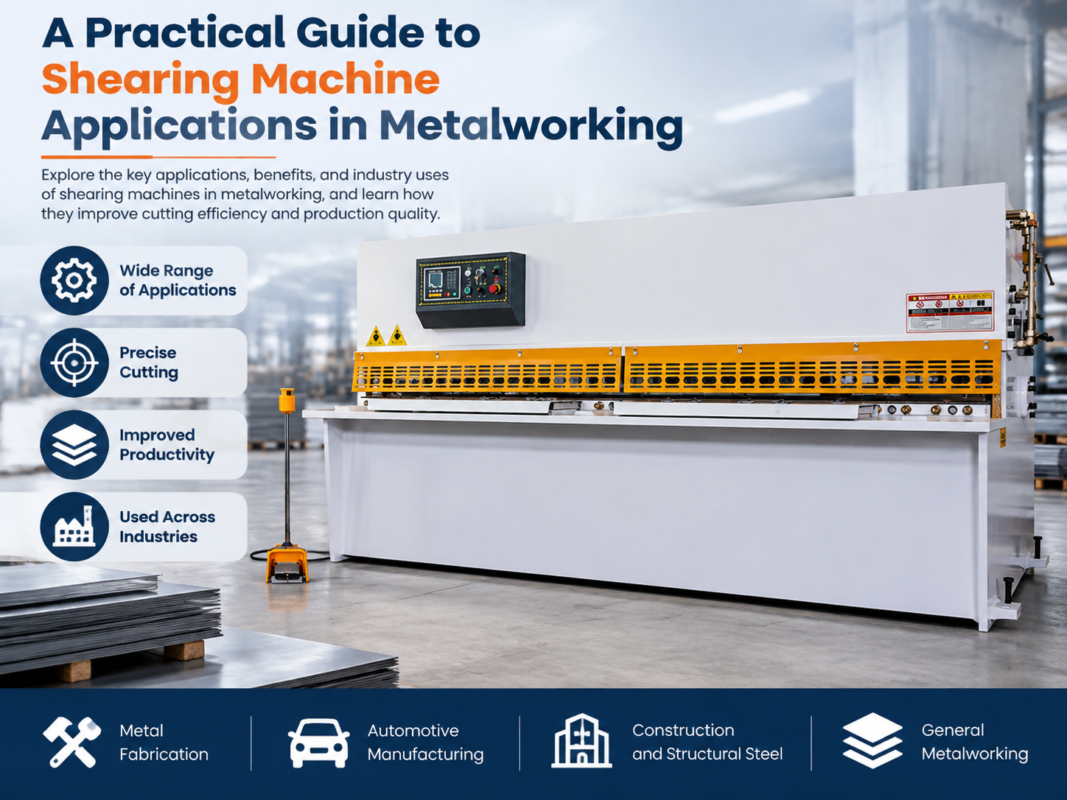
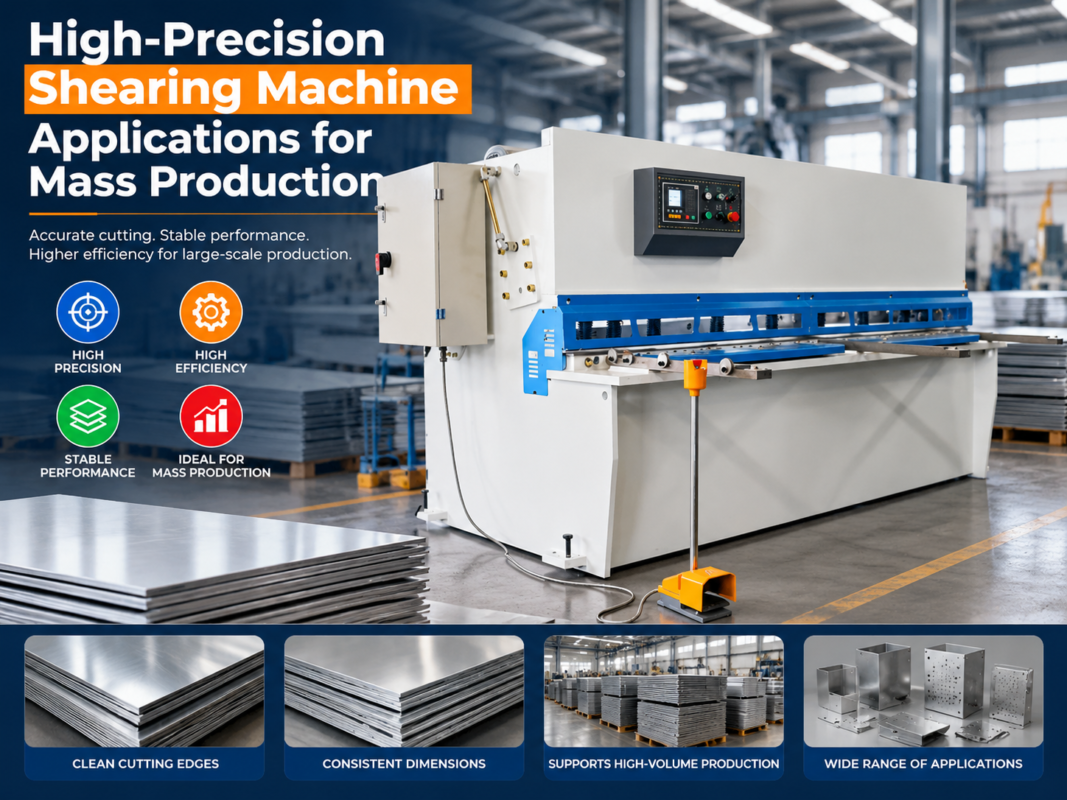
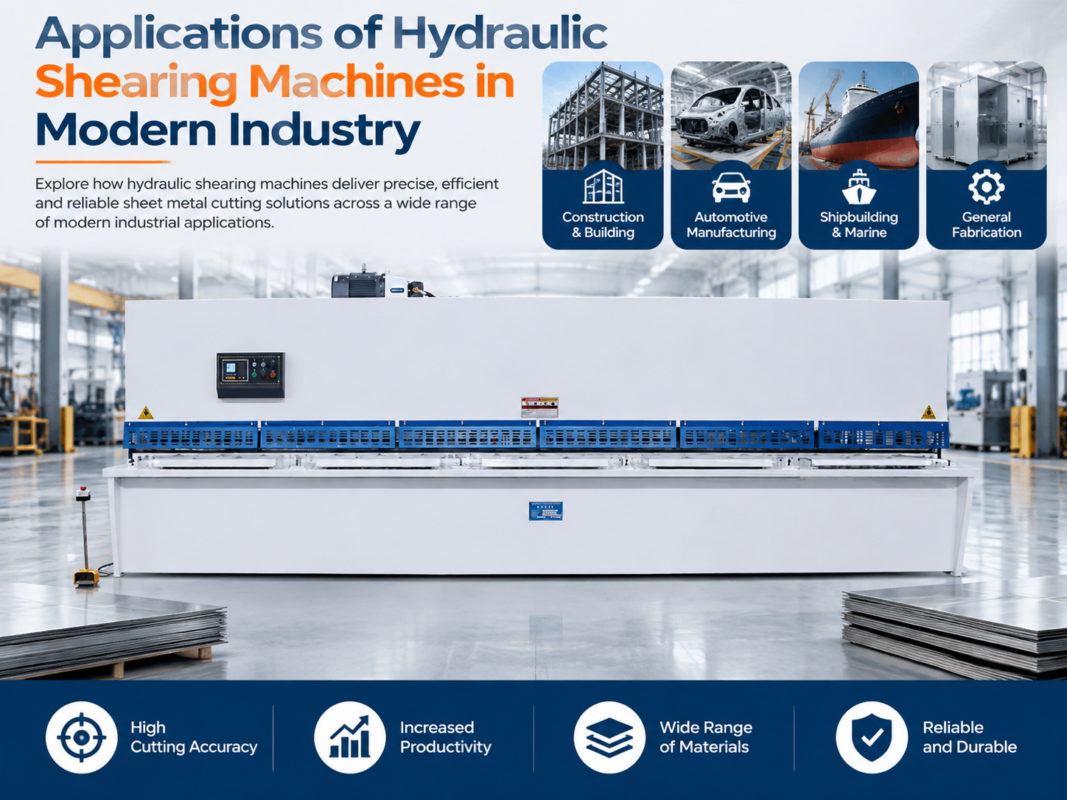
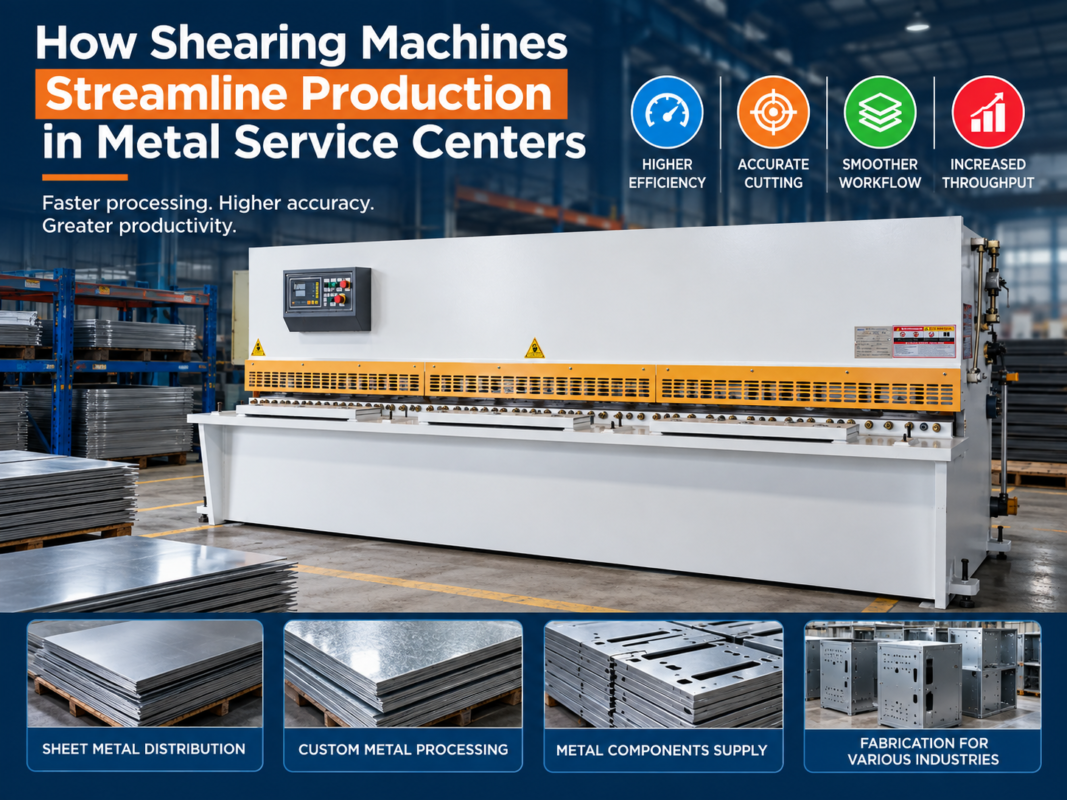
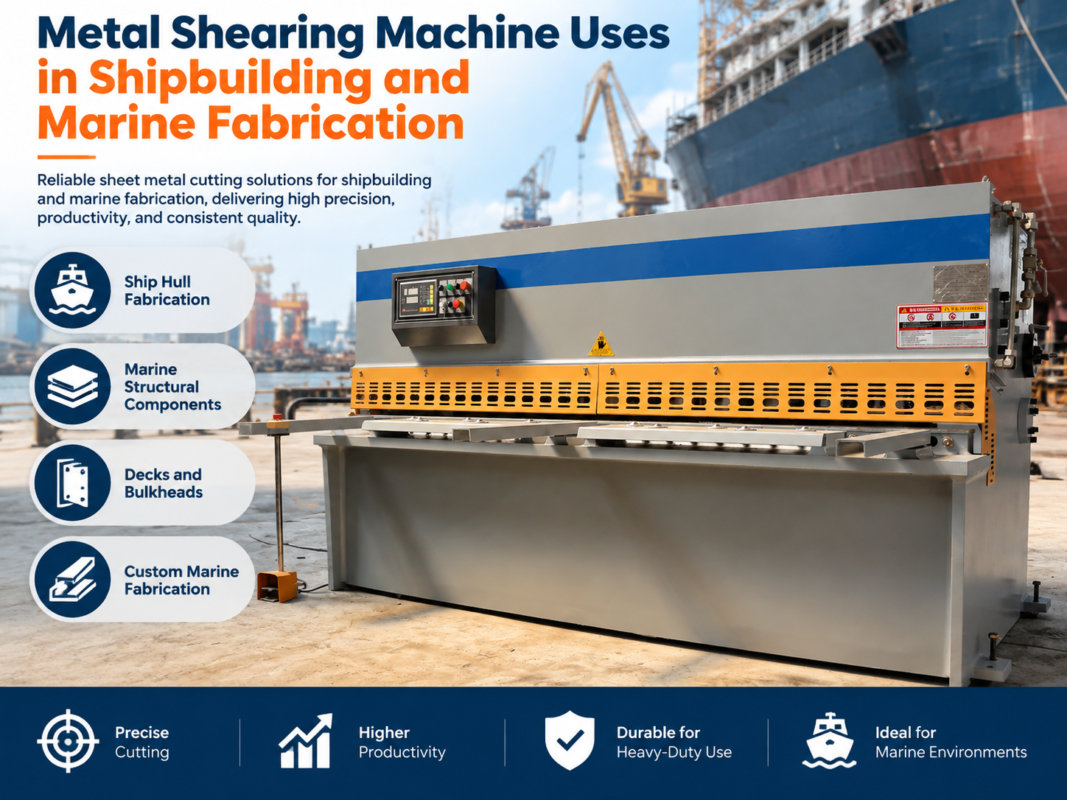
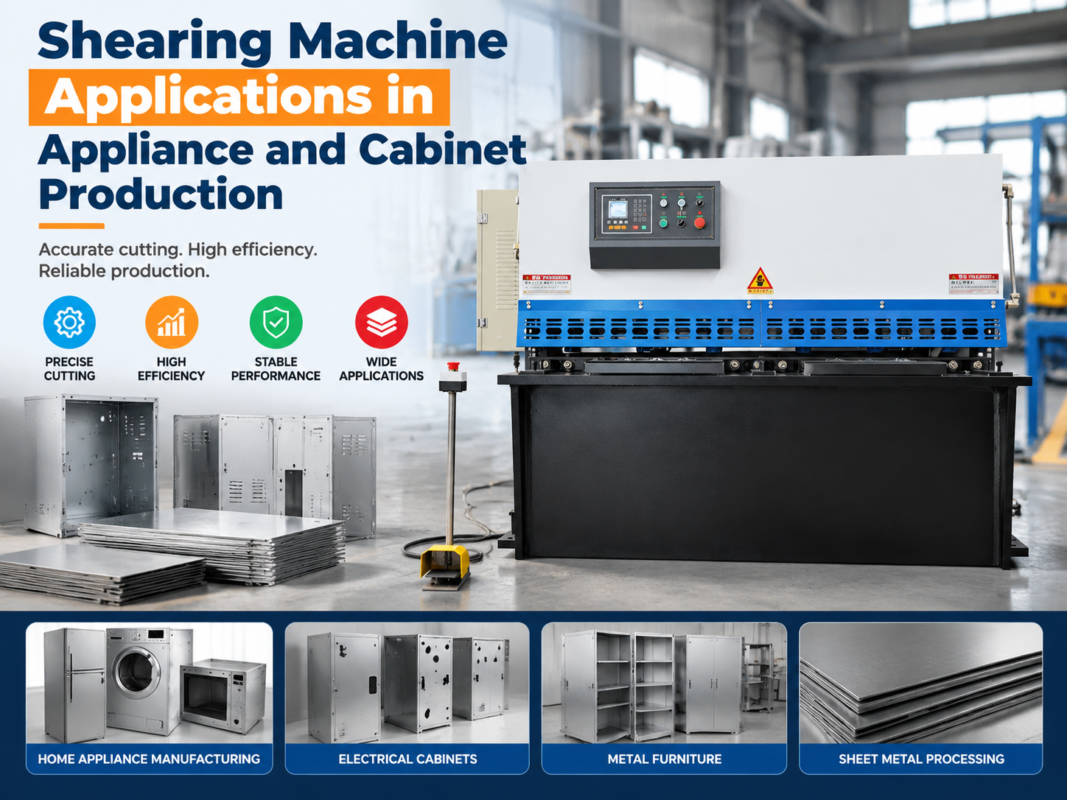
In the world of industrial manufacturing, the journey from a raw metal sheet to a sophisticated aerospace component or a high-speed rail chassis begins with a single, precise cut. This is where the shearing machine proves its worth. As the primary tool for linear metal cutting, the shearing machine is the unsung hero of the fabrication shop, providing the foundational blanks that will eventually be bent, welded, and assembled into the vehicles that move our world. When we discuss Where Shearing Machines Fit In Aerospace Transportation Metalwork, we are looking at a convergence of extreme precision, material science, and heavy-duty engineering.
Aerospace and transportation sectors demand more than just basic cutting; they require repeatability, minimal material distortion, and the ability to handle exotic alloys that would baffle standard machinery. HARSLE has long recognized that the “first cut” determines the success of every subsequent stage of production. If a blank is sheared with a significant burr or a slight deviation in squareness, the downstream CNC machining or robotic welding processes will suffer from cumulative errors. Therefore, the shearing machine is not just a preparatory tool; it is a quality-control gatekeeper.
Modern transportation—ranging from commercial aviation to electric vehicle (EV) manufacturing and freight rail—is currently undergoing a revolution in lightweighting. This shift requires machines capable of handling high-strength-to-weight ratio materials like aluminum 7075, titanium, and advanced high-strength steels (AHSS). In this guide, we will explore the technical nuances of how shearing machines are integrated into these high-performance workflows and why selecting the right equipment is vital for industrial success.

Key Considerations for Aerospace and Transportation Metalwork
Material Integrity and Edge Quality
In aerospace applications, the integrity of the metal edge is paramount. Micro-cracks or excessive heat-affected zones (HAZ) can lead to catastrophic structural failure under the high-stress conditions of flight. While laser and plasma cutting are common, mechanical shearing remains a preferred method for creating straight-line blanks because it is a cold-cutting process. It does not introduce thermal stress into the material, preserving the metallurgical properties of sensitive alloys. However, this requires the shearing machine to have perfectly maintained blades and precise clearance settings to avoid “rolling” the edge or creating a heavy burr.
For the transportation sector, particularly in rail and heavy trucking, the focus shifts toward durability and volume. Large-scale panels for trailers or railcars must be cut with absolute squareness to ensure that long-seam welds are consistent. Any gap caused by an uneven shear cut can lead to weak weld joints, which are unacceptable in vehicles designed to carry tons of cargo over thousands of miles. Here, the shearing machine must balance speed with the physical force required to slice through thick plates of structural steel.
Precision and Tolerance Requirements
The phrase “Where Shearing Machines Fit In Aerospace Transportation Metalwork” is defined by the tightening of tolerances. In the past, a tolerance of +/- 0.5mm might have been acceptable for a truck body panel. Today, with the integration of automated assembly lines and robotic welding, those tolerances have shrunk. Aerospace components often require even tighter precision to ensure that aerodynamic skins fit perfectly over the airframe. Modern shearing machines utilize CNC-controlled backgauges and sophisticated hydraulic systems to ensure that every cut is identical to the last, minimizing waste and maximizing efficiency.
Furthermore, the geometry of the cut—specifically the “bow,” “twist,” and “camber” of the sheared strip—must be controlled. High-end shearing machines allow operators to adjust the rake angle (the angle of the upper blade) to minimize these distortions. In aerospace, where thin-gauge aluminum is common, a low rake angle is essential to prevent the material from twisting during the cut. Conversely, for the heavy plates used in ship-building or rail, a higher rake angle might be used to reduce the required shearing force and protect the machine’s longevity.
Technical Details: The Mechanics of Modern Shearing
Hydraulic vs. Mechanical Systems
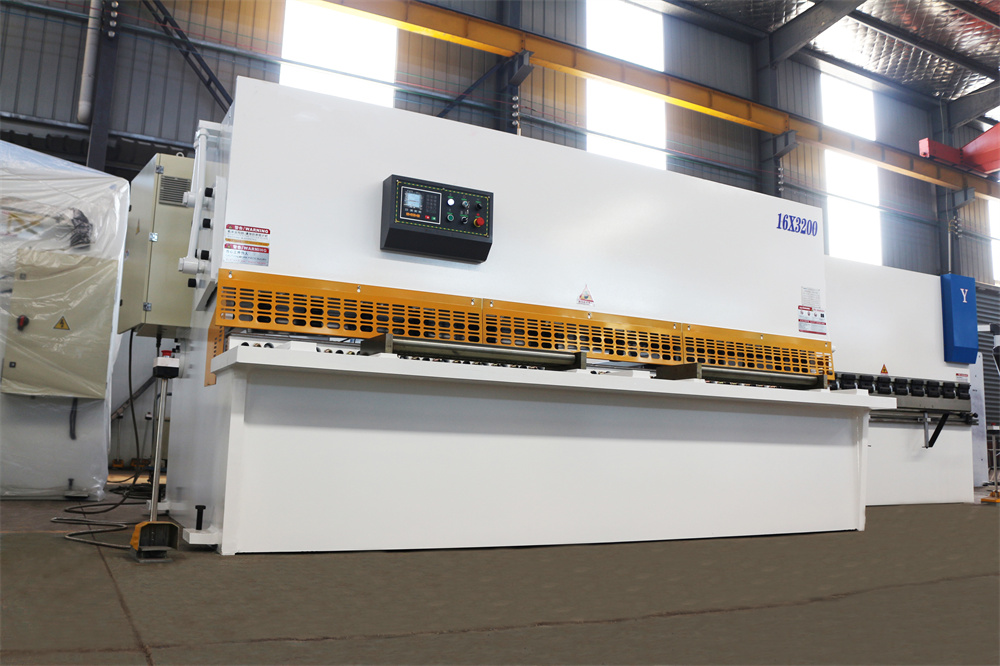
While mechanical shears were once the industry standard due to their speed, hydraulic shearing machines have become the dominant force in aerospace and transportation. The reason lies in control. Hydraulic systems allow for variable stroke lengths and constant pressure throughout the entire cut. This is critical when working with materials of varying thicknesses. In a transportation workshop that might switch from shearing 2mm aluminum for interior panels to 12mm steel for chassis brackets, the flexibility of a hydraulic system is indispensable.
HARSLE’s hydraulic swing beam and guillotine shears are designed with these multi-material environments in mind. The swing beam design offers a compact, robust solution for most transportation needs, while the variable-rake guillotine shear provides the ultimate precision required for high-spec aerospace work. The ability to adjust the blade gap quickly—often via a motorized system controlled by the CNC—ensures that the machine is always optimized for the specific material at hand, reducing blade wear and improving cut quality.
CNC Integration and Automation
The integration of CNC (Computer Numerical Control) has transformed the shearing machine from a manual tool into a smart component of the factory floor. In the context of aerospace, CNC allows for the storage of complex cutting programs. If a specific wing-spar reinforcement requires a series of precise cuts across different material types, the operator can simply load the program, and the machine will automatically adjust the backgauge, rake angle, and blade gap. This reduces the “human error” factor, which is the leading cause of scrap in high-value metalwork.
In the transportation industry, automation often takes the form of material handling. Large shearing machines are frequently paired with front-loading conveyors or rear-stacking systems. When processing hundreds of sheets for a bus fleet or a train order, the time spent moving material manually is a significant bottleneck. Automated systems allow the shearing machine to operate at its maximum cycle speed, significantly increasing the ROI for the fabrication shop. Features like “shadow line” lighting also help operators align pre-marked sheets quickly, further bridging the gap between manual craftsmanship and industrial speed.
Selection Advice: Choosing the Right Shear for Your Sector
Assessing Material and Capacity
When determining where shearing machines fit in your specific aerospace or transportation project, the first step is a rigorous assessment of your material portfolio. Are you primarily working with 6061 aluminum, or are you moving into the realm of Inconel and Titanium? For aerospace, you must ensure the machine’s frame is rigid enough to prevent deflection when cutting harder alloys. Frame deflection is the enemy of precision; even a microscopic shift in the blade path can result in an out-of-tolerance part.
For transportation, consider the maximum length and thickness of your largest components. If you are building long-haul trailers, you may need a shearing machine with a 6-meter or 8-meter cutting length. It is always advisable to choose a machine with a capacity slightly higher than your maximum requirement. Running a machine at 100% capacity constantly will accelerate wear on the hydraulic seals and the blades. A “safety margin” in capacity ensures the machine operates comfortably, leading to a longer service life and more consistent cuts.
Evaluating Long-Term Maintenance and Support
Industrial machinery is an investment that should last decades. In high-uptime industries like automotive manufacturing, a day of downtime can cost thousands of dollars. Therefore, selection advice must include an evaluation of the machine’s maintainability. Look for shears that use standardized hydraulic and electrical components (such as Rexroth valves or Schneider electronics). This ensures that replacement parts are easily sourced globally.
Blade quality is another critical factor. For aerospace and transportation metalwork, high-carbon, high-chrome blades are usually the standard. These blades can be reground multiple times, extending their life. Additionally, consider the ease of blade gap adjustment. If the process is cumbersome, operators may skip it, leading to poor cuts and damaged blades. Machines that offer “one-touch” or automatic blade gap adjustment are highly recommended for shops that handle a diverse range of materials.
Frequently Asked Questions (FAQ)
1. Why is shearing preferred over laser cutting for some aerospace parts?
Shearing is a cold-cutting process, meaning it does not use heat to sever the metal. Many aerospace alloys are sensitive to heat, which can change their grain structure or create a heat-affected zone (HAZ) that serves as a starting point for stress fractures. Shearing maintains the material’s original properties at the edge. Additionally, for simple straight cuts, shearing is significantly faster and more cost-effective than laser cutting.
2. How does the rake angle affect the quality of the cut?
The rake angle is the slope of the upper blade. A higher rake angle reduces the force required to cut the metal but increases the likelihood of the material twisting or bowing. For thin materials common in aerospace, a low rake angle is used to keep the part flat. For thick plates used in heavy transportation, a higher rake angle is used to protect the machine from excessive stress.
3. Can shearing machines handle high-strength titanium?
Yes, but it requires a machine with high rigidity and specialized blades. Titanium is much harder on cutting edges than aluminum or standard steel. When shearing titanium, the blade gap must be set extremely precisely, and the machine must have enough hydraulic force to complete the cut in a single, smooth motion to avoid work-hardening the material.
4. What is the role of the backgauge in transportation metalwork?
The backgauge determines the depth of the cut. In transportation, where many parts are large and repetitive (like side panels for a truck), a CNC-controlled backgauge ensures that every panel is exactly the same size. This is crucial for the assembly phase, where parts must line up perfectly for welding or riveting.
5. How often should shearing blades be sharpened?
This depends on the material being cut. Cutting stainless steel or titanium will dull blades faster than aluminum. Generally, blades should be inspected every few months. Signs that sharpening is needed include increased burr height, a “rounded” edge on the cut piece, or the machine requiring more pressure than usual to complete a cut.
Conclusion: Driving Precision in Motion
The question of Where Shearing Machines Fit In Aerospace Transportation Metalwork is answered by the industry’s relentless pursuit of efficiency and safety. From the lightweight aluminum skins of a commercial jet to the rugged steel frames of a freight train, the shearing machine provides the essential starting point for modern engineering. By choosing a machine that offers the right balance of hydraulic power, CNC precision, and structural rigidity, manufacturers can ensure that their production lines remain competitive and their products remain safe.
HARSLE continues to lead the way in providing shearing solutions that meet these rigorous standards. By focusing on user-friendly interfaces, robust construction, and the latest in hydraulic technology, HARSLE machines empower fabricators to tackle the challenges of the aerospace and transportation sectors head-on. As these industries continue to evolve toward greener, faster, and more efficient designs, the humble shearing machine will remain a cornerstone of the manufacturing world, proving that every great journey begins with a perfect cut.