Manual, Semi-Automatic, or CNC Punching Machine: Which Is Best?


Introduction to Metal Punching Technology
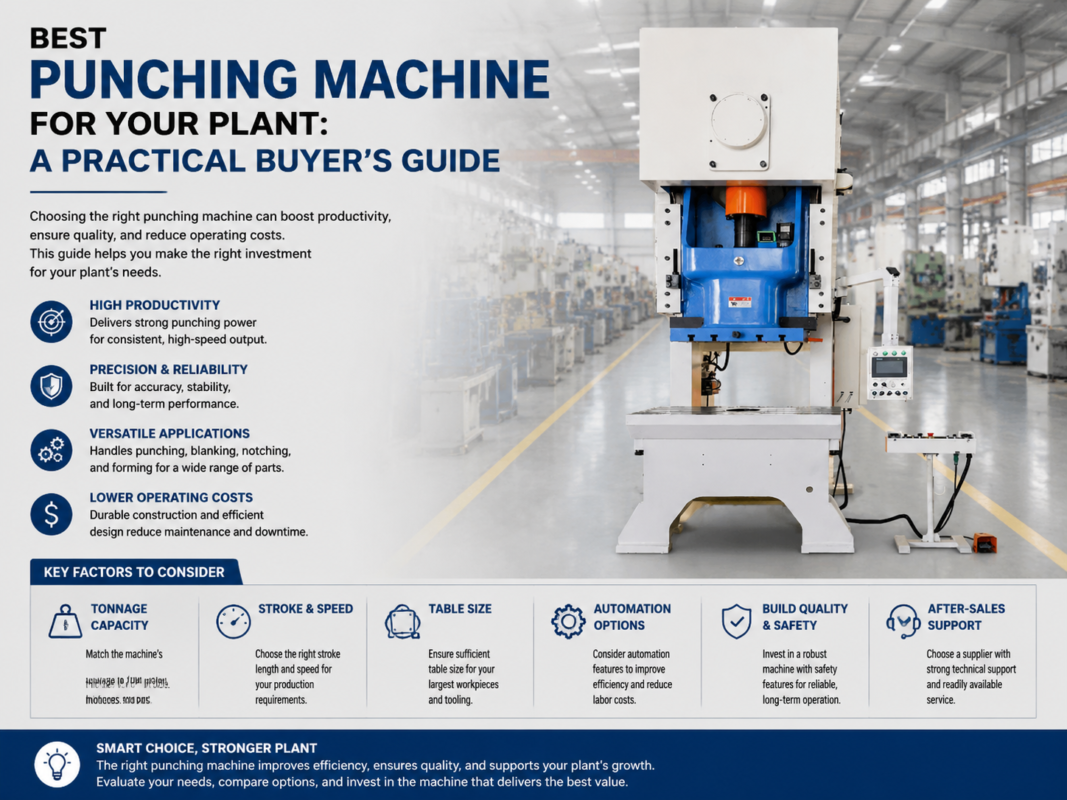
In the world of metal fabrication, the punching machine remains a cornerstone of production efficiency. Whether you are a small custom shop or a high-volume industrial manufacturer, the choice between a manual, semi-automatic, or CNC (Computer Numerical Control) punching machine is one of the most critical investment decisions you will make. Each category offers distinct advantages in terms of precision, speed, and cost-effectiveness, but the ‘best’ machine is entirely dependent on your specific production requirements, material types, and long-term business goals.
The evolution of punching technology has bridged the gap between traditional craftsmanship and high-tech automation. While manual machines rely on the skill and physical input of the operator, CNC systems utilize sophisticated software to execute complex patterns with micron-level accuracy. Semi-automatic machines sit comfortably in the middle, offering a blend of manual control and digital assistance. Understanding the nuances of these three tiers is essential for optimizing your workflow and ensuring a healthy return on investment (ROI).
At HARSLE, we have observed that many fabricators struggle to balance the initial capital expenditure with the potential for increased throughput. A machine that is too basic may create bottlenecks, while a machine that is too advanced may never reach its full utilization capacity, leading to wasted capital. This guide provides an exhaustive breakdown of the costs, configurations, and selection criteria to help you determine which punching machine is best for your facility.
Price Range Overview: From Entry-Level to Industrial Powerhouses
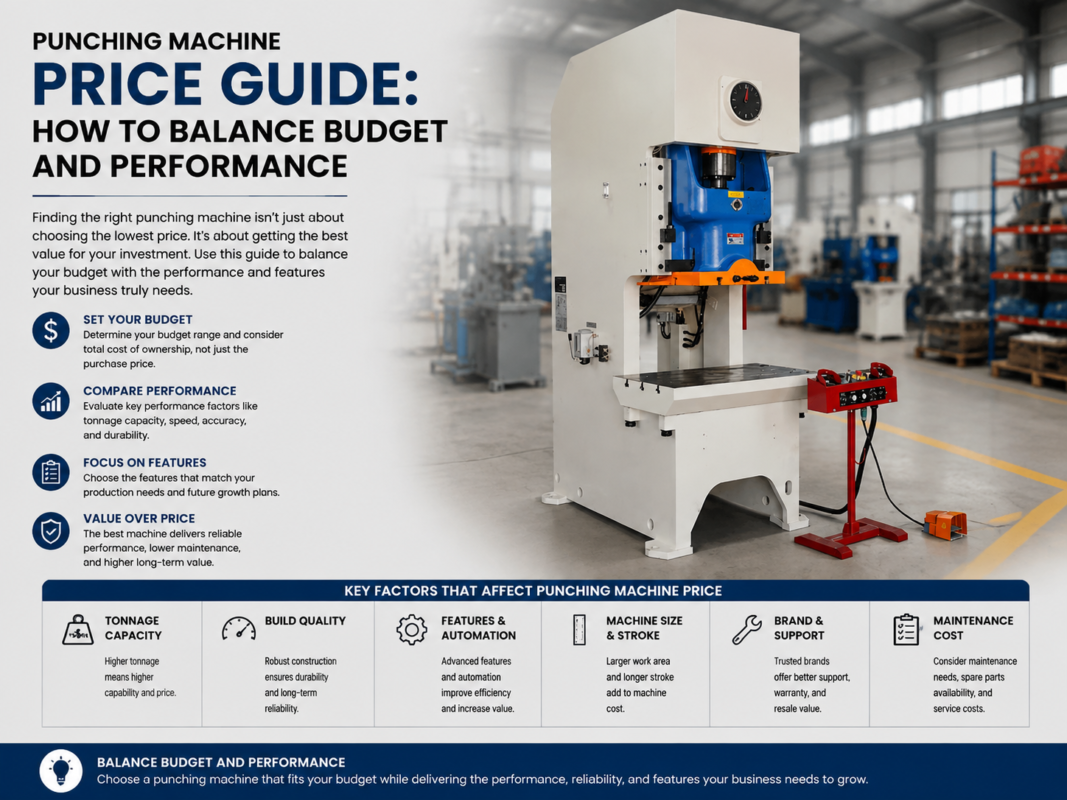
The financial commitment required for a punching machine varies significantly across the three main categories. It is important to view these prices not just as a cost, but as a reflection of the machine’s capability to generate revenue. Below is a general overview of the market price ranges for these machines.
| Machine Type | Estimated Price Range (USD) | Primary Target Audience |
|---|---|---|
| Manual Punching Machine | $1,500 – $8,000 | Hobbyists, small repair shops, prototype labs |
| Semi-Automatic Punching Machine | $12,000 – $35,000 | Small to medium enterprises (SMEs), batch production |
| CNC Turret Punch Press | $45,000 – $250,000+ | High-volume manufacturers, precision engineering firms |
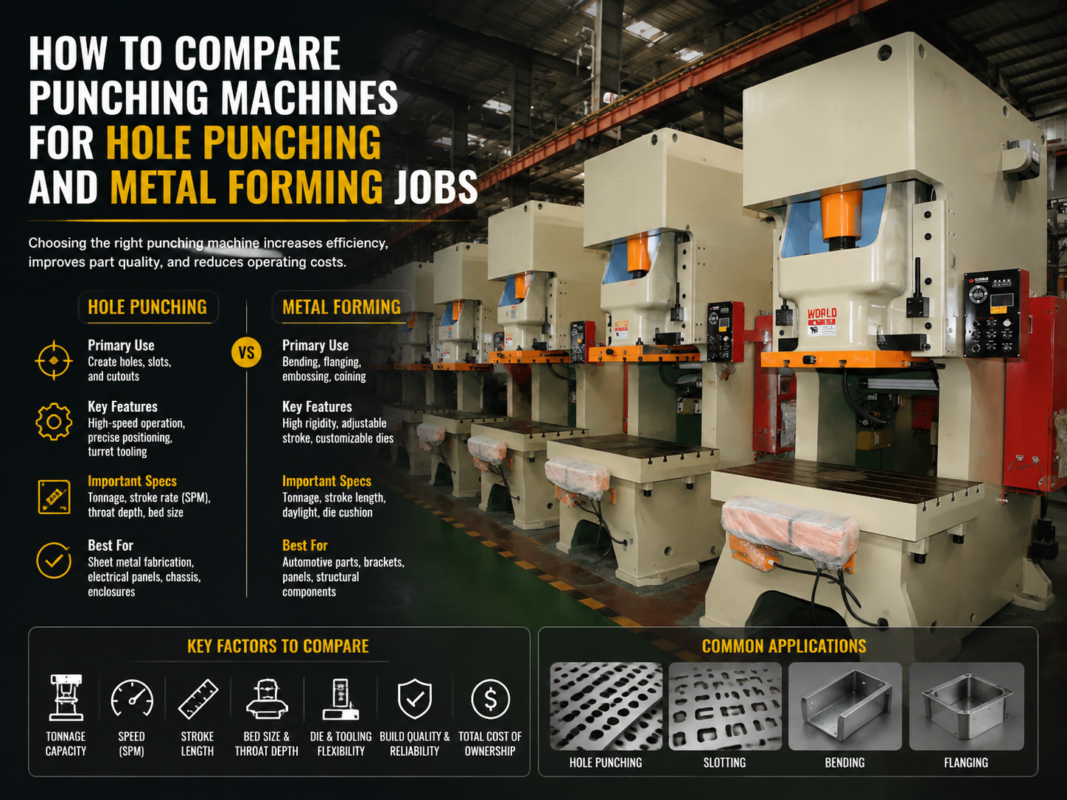
Manual machines are the most accessible, often featuring a simple C-frame design and a lever or foot-pedal operation. These are ideal for low-volume tasks where precision is secondary to basic hole-making. However, the labor cost per part is highest with these machines because of the slow cycle times and the need for constant operator intervention.
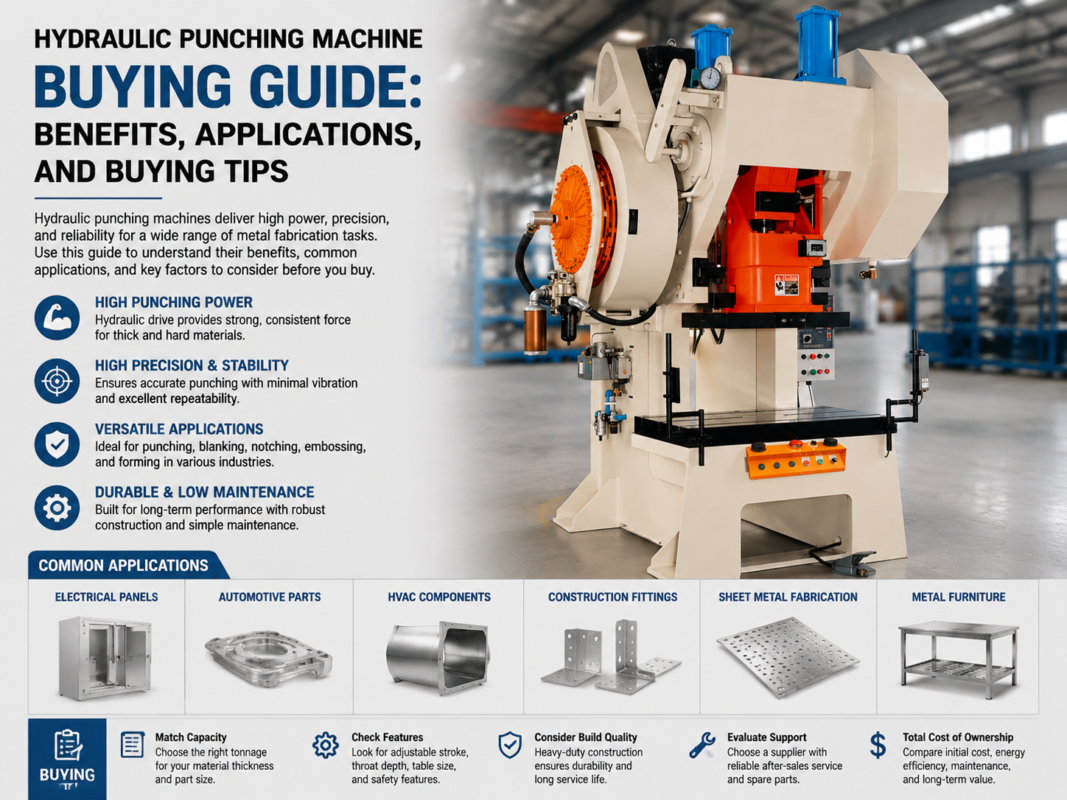
Semi-automatic machines introduce hydraulic power and digital readouts (DRO). The price increase reflects the inclusion of hydraulic pumps, valves, and basic electronic control systems that allow for more consistent pressure and easier positioning of the workpiece. These machines are the ‘workhorses’ for shops that have outgrown manual tools but aren’t ready for the complexity of full CNC integration.
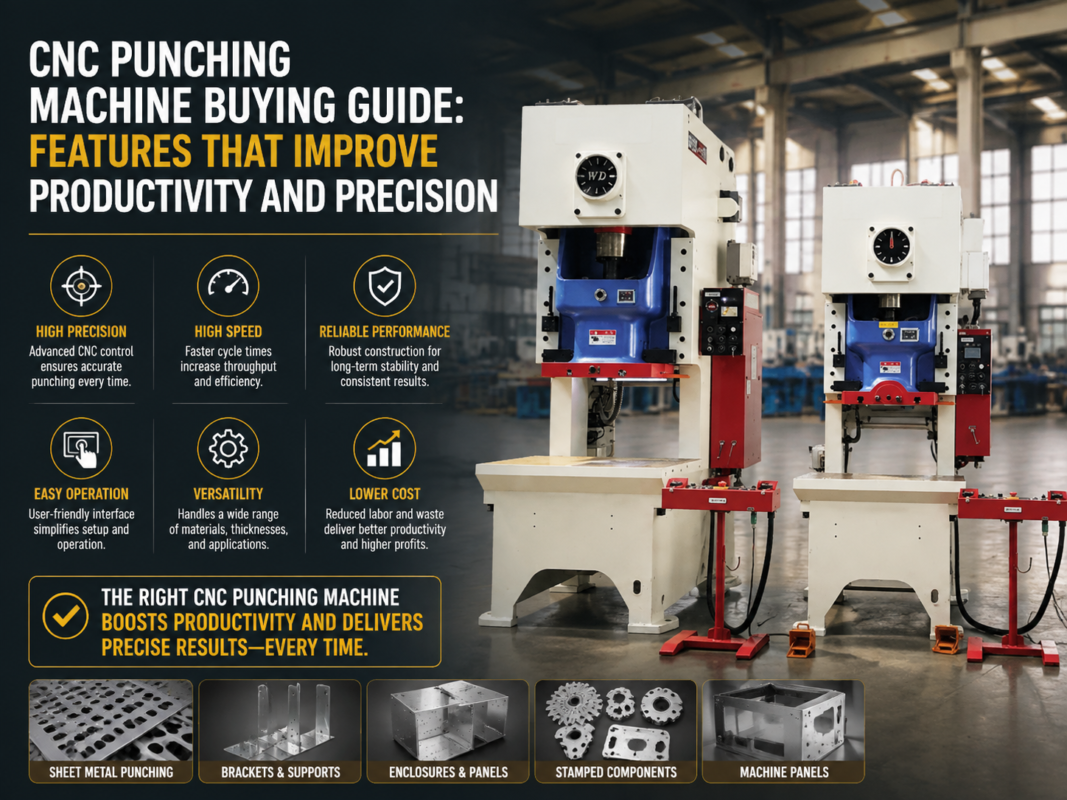
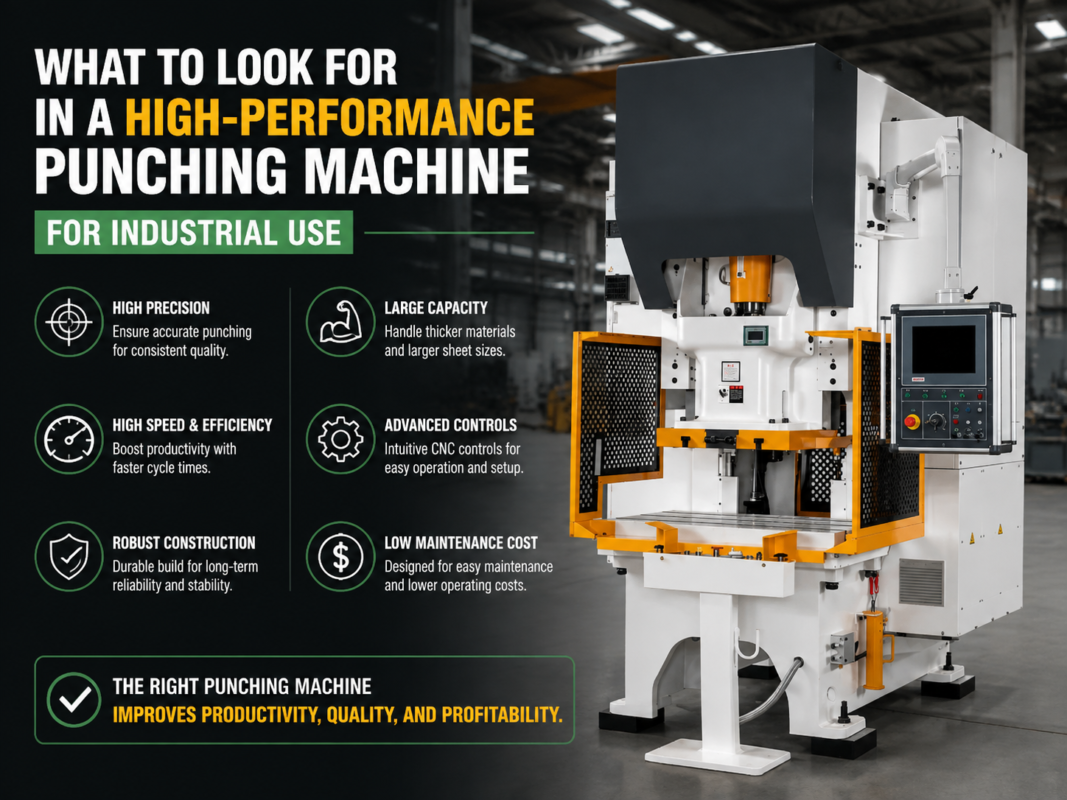
CNC punching machines, particularly turret punch presses, represent the high end of the spectrum. These machines feature automated tool changers, multi-axis movement, and sophisticated CAD/CAM integration. The wide price range in this category is driven by the number of tool stations, the tonnage (punching force), and the speed of the servo motors. While the initial investment is high, the cost per part in high-volume runs is significantly lower than any other method.
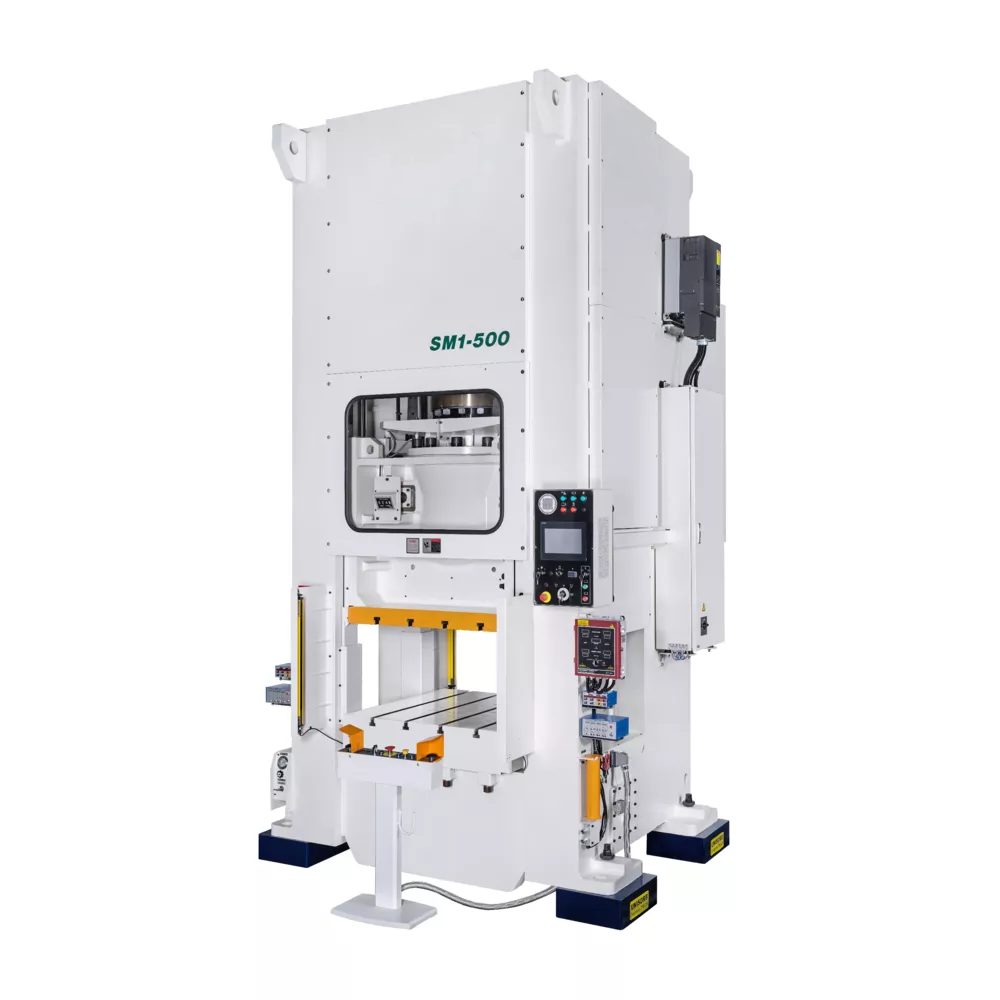
Main Cost Drivers in Punching Machinery
When evaluating the price of a punching machine, several technical factors influence the final quote. Understanding these drivers allows buyers to prioritize features that add value while avoiding unnecessary expenses.
1. Frame Construction and Tonnage
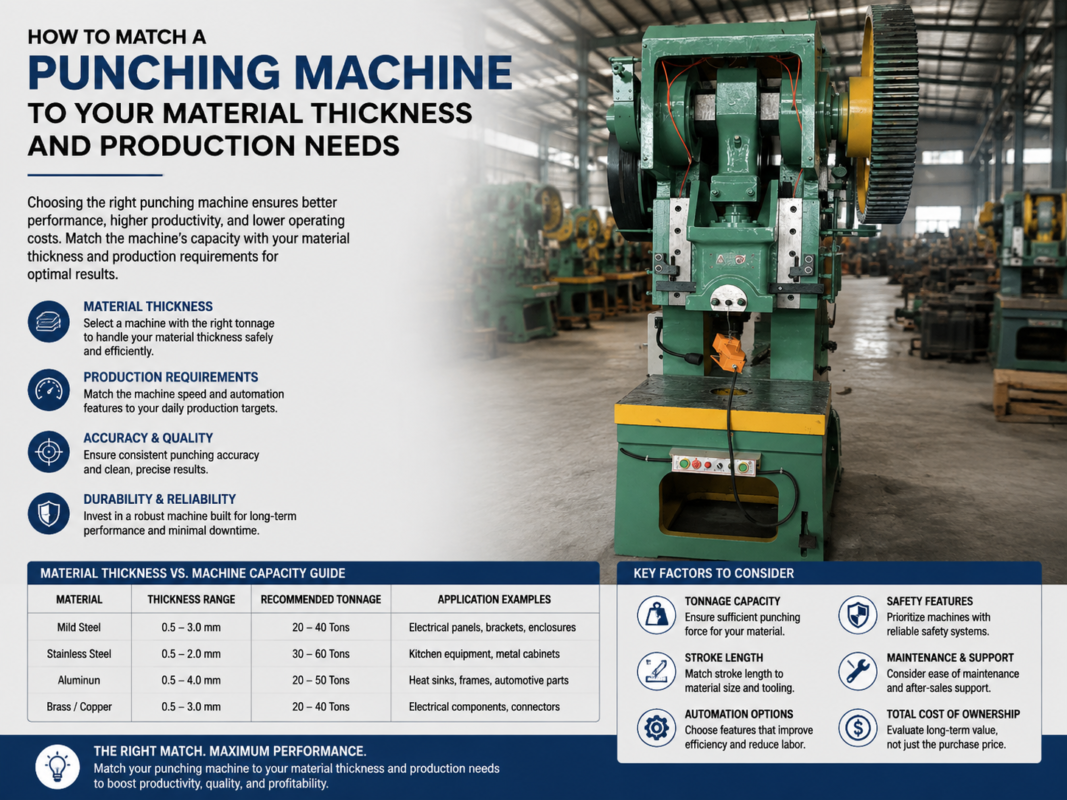
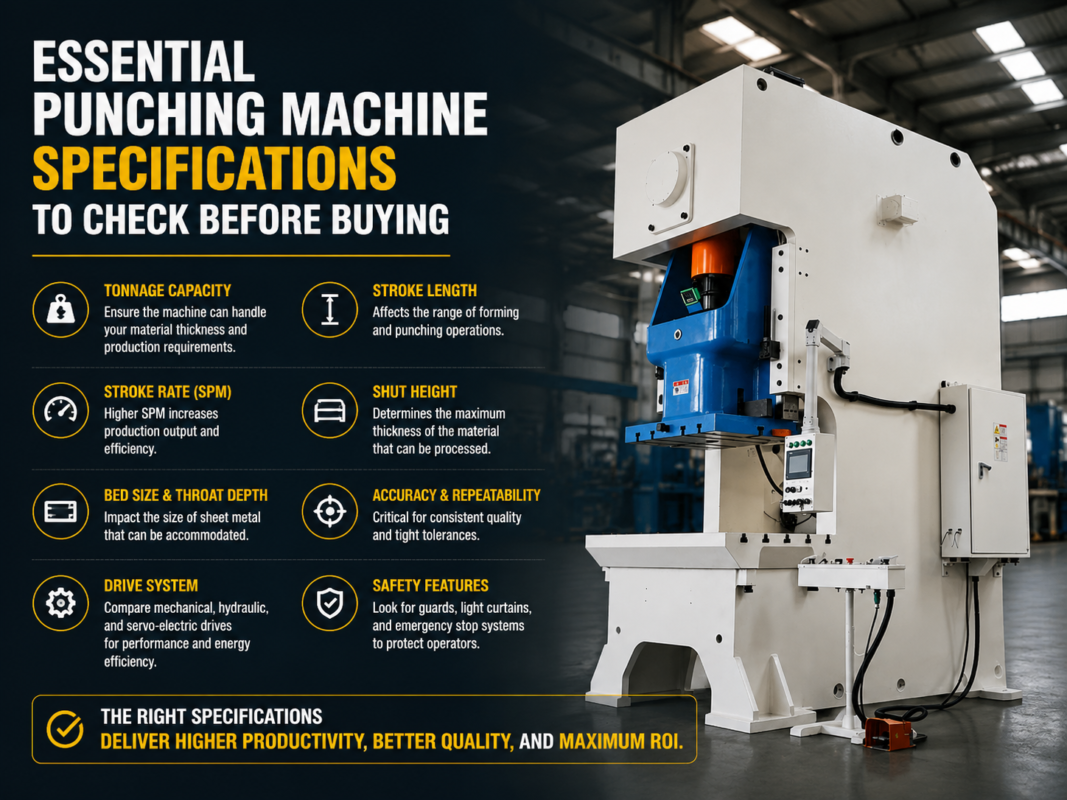
The rigidity of the machine frame is paramount. A ‘C-frame’ is common in manual and semi-automatic machines because it offers easy access to the work area, but it can suffer from ‘yaw’ or deflection under high pressure. ‘O-frame’ or bridge-frame designs, typically found in CNC machines, provide superior stability and accuracy but are more expensive to manufacture. Additionally, the tonnage (ranging from 6 tons to over 50 tons) directly impacts the price; higher tonnage allows for punching thicker materials and larger diameters.
2. Drive System: Mechanical vs. Hydraulic vs. Servo-Electric
Older or entry-level machines often use mechanical flywheels, which are simple but offer less control over the punch stroke. Hydraulic systems provide consistent force throughout the stroke and are standard in semi-automatic and mid-range CNC machines. The most advanced (and expensive) systems use servo-electric drives, which offer incredible speed, energy efficiency, and precise control over the ram position, allowing for specialized operations like embossing or louvering.
3. Control Systems and Software
For CNC machines, the ‘brain’ of the unit is a major cost driver. High-end controllers from brands like Fanuc, Siemens, or Beckhoff offer better reliability and more features than generic alternatives. Furthermore, the CAD/CAM software required to program the machine can cost several thousand dollars. This software is essential for nesting (optimizing material usage) and reducing setup times.
4. Tooling Capacity and Turret Design
In CNC turret punch presses, the number of tool stations significantly affects the price. A machine with 12 stations is cheaper than one with 32 or 50 stations. Furthermore, ‘auto-index’ stations, which can rotate the tool to any angle, add significant mechanical complexity and cost but are vital for complex geometries without requiring a massive library of specialized tools.
Configuration Impact on Performance
The configuration of a punching machine dictates its versatility and the types of projects it can handle. Choosing the wrong configuration can lead to operational bottlenecks or the inability to meet client specifications.
Manual Configurations
Manual machines are usually single-station. This means the operator must manually change the punch and die for every different hole size or shape. This configuration is best suited for simple brackets or one-off prototypes. The lack of a coordinated table means the operator must mark the workpiece by hand, which introduces significant room for human error.
Semi-Automatic Configurations
Semi-automatic machines often feature a hydraulic ram with a digital positioning system. Some models include a ‘copying’ function where a template is used to guide the punch. This configuration is excellent for medium-sized batches where the same pattern is repeated. It reduces the physical strain on the operator compared to manual machines and improves consistency, though it still requires manual loading and unloading of each sheet.
CNC Configurations
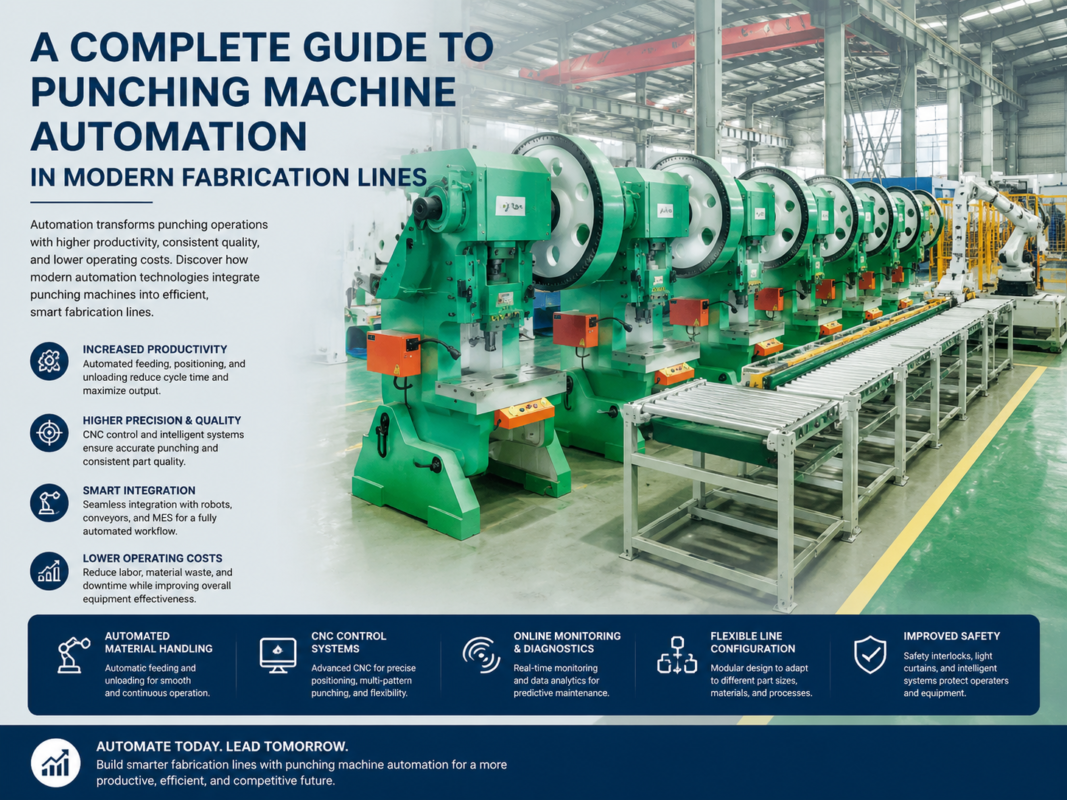
CNC machines are defined by their automation. A standard configuration includes a large X-Y coordinate table with pneumatic clamps that move the sheet metal under the punching head. The turret holds a variety of tools, and the machine automatically selects the correct tool for each hit. Advanced configurations might include automatic loading/unloading systems (RPI) and ‘brush tables’ to prevent scratching of sensitive materials like stainless steel or aluminum.
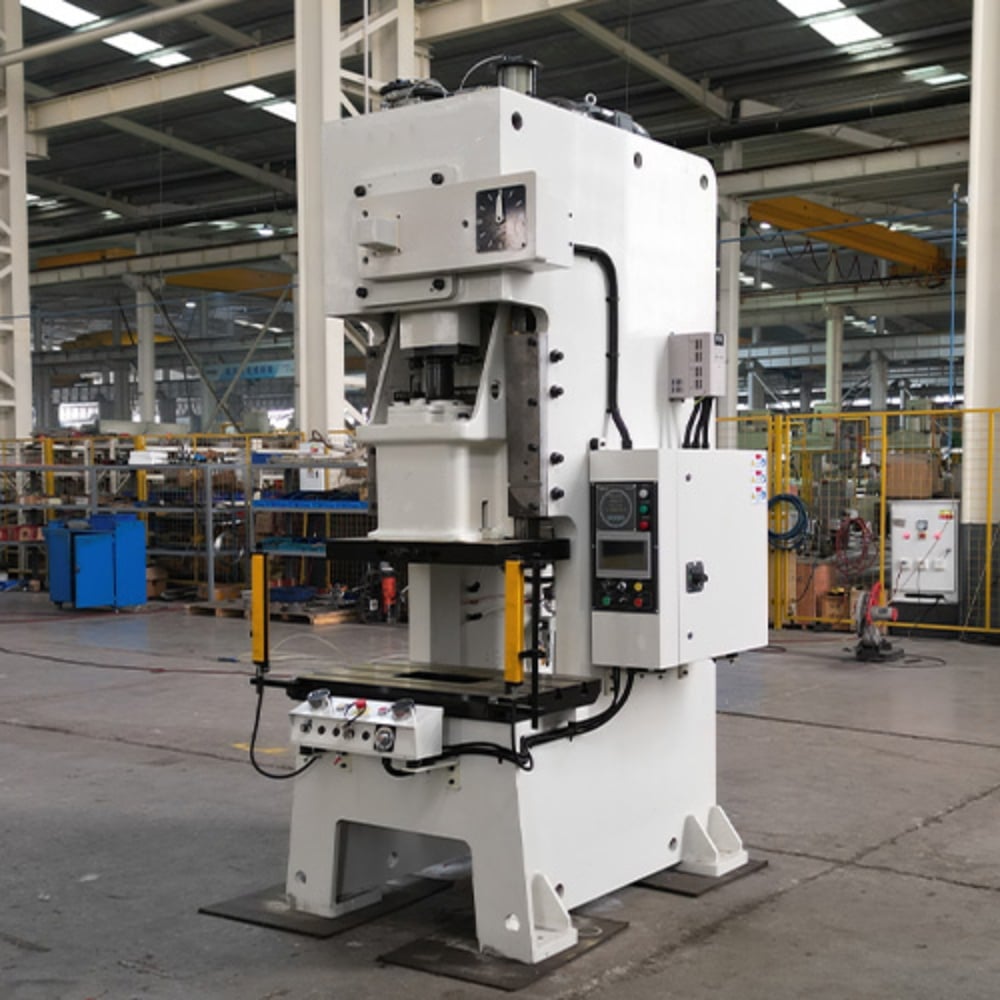
Hidden Costs of Ownership
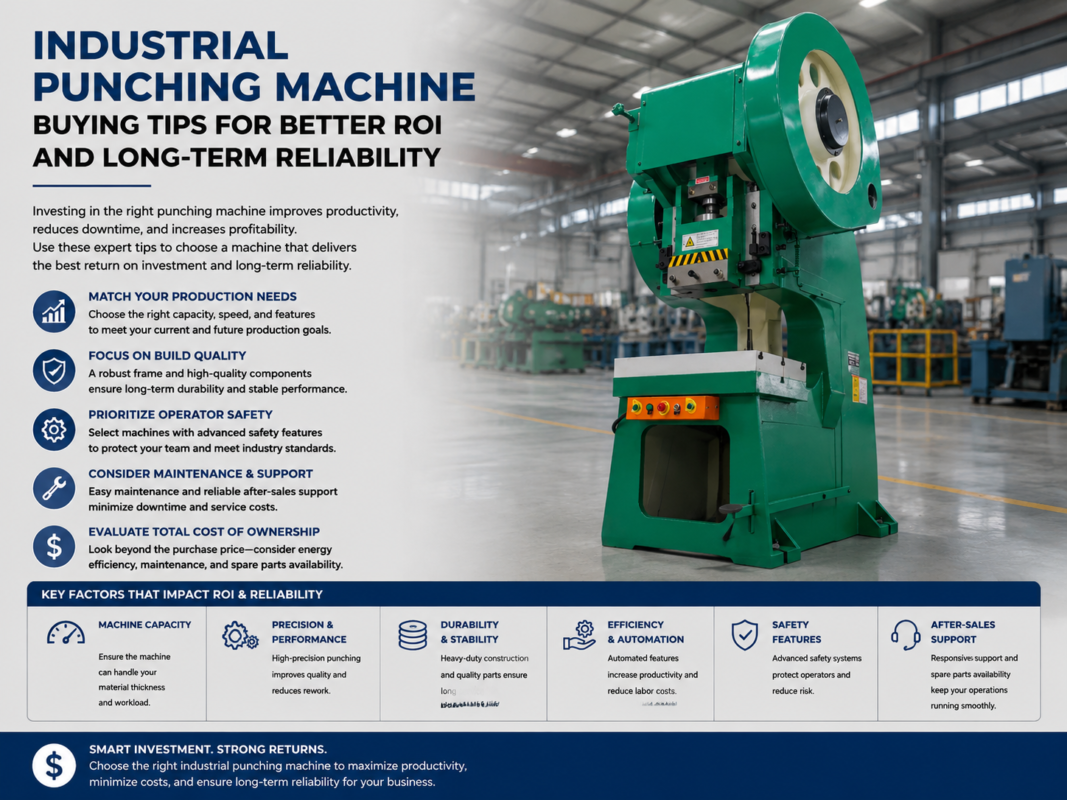
The purchase price is only the beginning. To truly understand which machine is best, you must account for the total cost of ownership (TCO). These hidden costs can often exceed the initial investment over the life of the machine.
- Tooling Costs: Punching machines require high-quality hardened steel tools. For a CNC turret press, a full set of tools can cost $5,000 to $20,000. These tools wear out and require regular sharpening or replacement.
- Maintenance and Spare Parts: Hydraulic systems require oil changes, filter replacements, and seal inspections. CNC machines have electronic components that may require specialized technicians for repair. Budgeting 3-5% of the machine’s value annually for maintenance is a standard industry practice.
- Electricity Consumption: A large hydraulic CNC machine consumes a significant amount of power. Servo-electric models are more efficient but have a higher upfront cost. Manual machines have negligible power costs.
- Floor Space and Infrastructure: CNC machines require a large, level concrete pad and often a dedicated compressed air supply. The ‘footprint’ of the machine includes the safety light curtains and the movement range of the X-Y table.
- Operator Training: A manual machine can be mastered in an hour. A CNC machine requires an operator skilled in G-code or specific CAM software, which usually commands a higher salary.
ROI Calculation: When to Upgrade?
Determining the ROI involves comparing the cost of the machine against the labor savings and increased production capacity. Let’s look at a hypothetical scenario: a shop producing 500 electrical cabinets per month.
Manual Approach: Requires 3 workers, high scrap rate due to manual marking errors, and slow production. Total labor cost is high, and scaling is difficult.
CNC Approach: One CNC machine can do the work of 5 manual operators. While the machine costs $60,000, the reduction in labor costs and the elimination of scrap can result in the machine paying for itself in 12 to 18 months. Furthermore, the CNC machine allows the shop to take on more complex work that a manual shop simply cannot perform.
The formula for ROI is: (Net Profit from Machine – Cost of Investment) / Cost of Investment. However, for most fabricators, the ‘Payback Period’ is a more useful metric: Total Investment / Monthly Savings (Labor + Material + Efficiency). If the payback period is under 24 months, the investment is generally considered excellent in the industrial sector.
Buying Advice: Which Is Best for You?
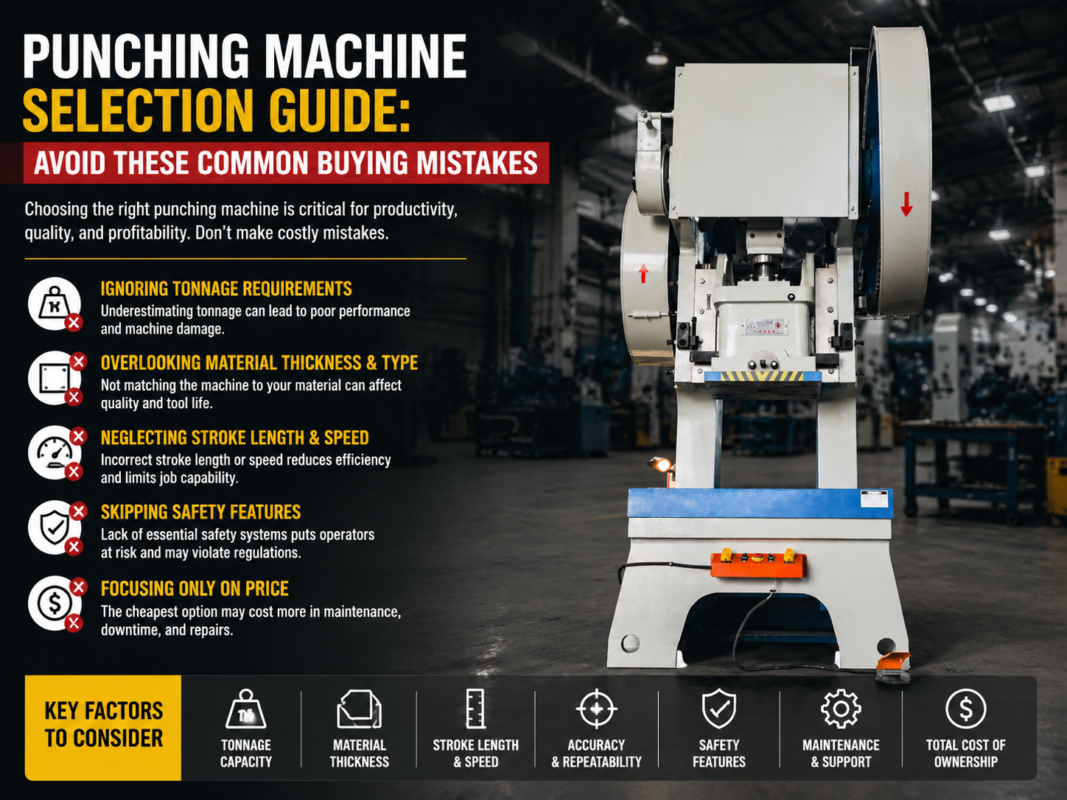
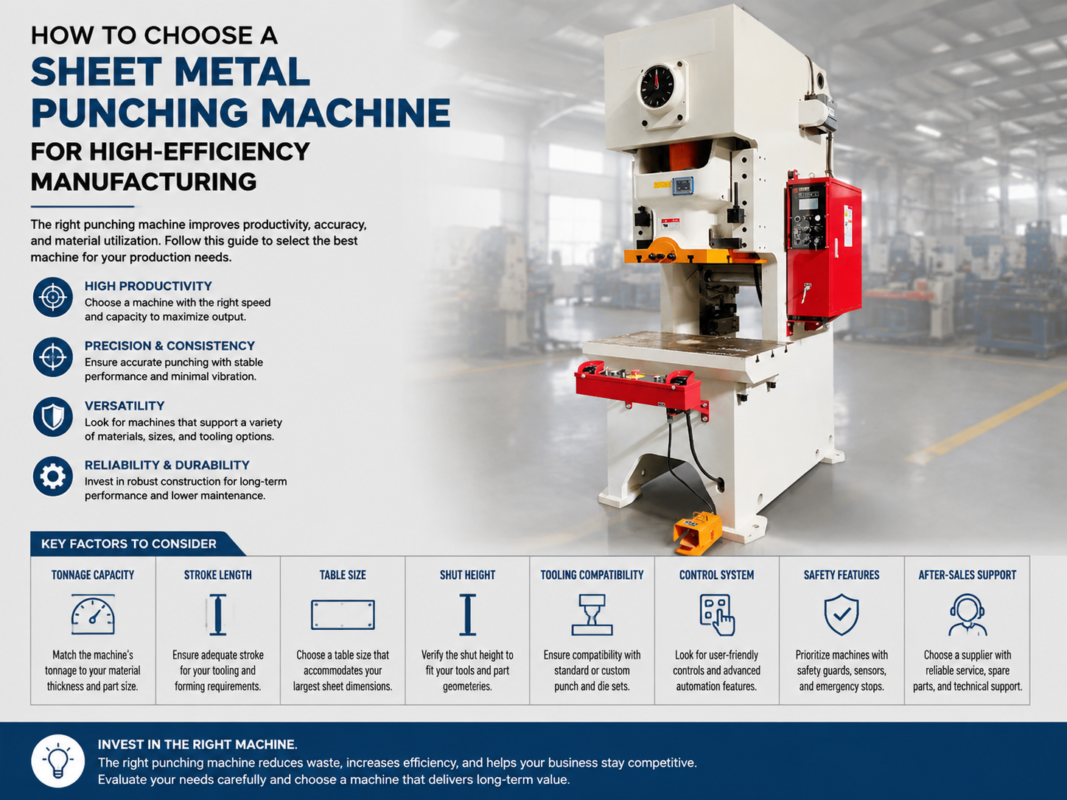
Choosing the best punching machine requires a cold, hard look at your current data and future projections. Follow this selection logic to narrow down your choice:
Choose a Manual Punching Machine if:
- You are a startup with a very limited budget.
- Your production volume is less than 50 parts per week.
- You primarily do repair work or simple prototyping.
- Precision requirements are loose (+/- 1.0mm is acceptable).
Choose a Semi-Automatic Punching Machine if:
- You produce consistent batches of 100-500 parts.
- You need more power than a manual machine can provide (thicker materials).
- You want to improve accuracy without the high cost of CNC software and training.
- You have limited floor space but need industrial-grade durability.
Choose a CNC Punching Machine if:
- Your production volume exceeds 1,000 parts per month.
- You require high precision (+/- 0.1mm) and repeatability.
- Your parts have complex geometries, many holes, or require forming (louvers, ribs).
- You want to minimize labor costs and maximize material utilization through nesting.
The HARSLE Checklist for Buyers
- Material Specs: What is the maximum thickness and tensile strength of the metal you will punch?
- Part Complexity: Do you need just round holes, or complex shapes and forming?
- Future Proofing: Will this machine still meet your needs in 3 years? It is often better to buy slightly more capacity than you currently need.
- Service Support: Does the manufacturer offer remote troubleshooting and a steady supply of spare parts?
Frequently Asked Questions (FAQ)
1. Can a manual punching machine be upgraded to CNC later?
Generally, no. The frame and drive systems of manual machines are not designed to handle the high-speed servo motors and precision ball screws required for CNC operation. It is almost always more cost-effective to buy a dedicated CNC machine than to attempt a retrofit.
2. What is the lifespan of a typical CNC turret punch press?
With proper maintenance, a high-quality CNC punching machine from a reputable brand like HARSLE can last 15 to 20 years in a production environment. Many machines from the 1990s are still in operation today, though their electronics are often outdated.
3. Is a laser cutter better than a CNC punching machine?
It depends on the application. Laser cutters are better for very complex, irregular shapes and thicker materials. However, punching machines are significantly faster for patterns with many holes and can perform ‘forming’ operations (like threading or louvering) that a laser cannot do. For many shops, the two machines complement each other.
4. How much training is required for a CNC operator?
A basic operator can be trained in 2-3 days to load sheets and run pre-programmed jobs. However, a ‘power user’ who can program the machine, optimize nesting, and perform tool maintenance typically requires several weeks of training and a few months of hands-on experience.
5. Does HARSLE provide tooling with the machines?
Most HARSLE machines come with a standard set of starter tools. However, because tooling is highly specific to the customer’s application, we recommend discussing your specific part drawings with our engineers so we can provide a customized tooling package that gets you into production immediately upon delivery.
Conclusion
There is no universal ‘best’ punching machine; there is only the best machine for your specific production context. Manual machines offer low-cost entry, semi-automatic machines provide a balanced middle ground for growing shops, and CNC machines offer the ultimate in speed, precision, and long-term profitability. By carefully considering your tonnage requirements, volume, and the hidden costs of ownership, you can make an informed decision that will serve as the foundation for your business’s growth. At HARSLE, we are committed to providing the technical expertise and high-quality machinery needed to help you succeed in the competitive world of metal fabrication.