Shearing Machine Applications in Shipbuilding and Heavy Machinery Production


Introduction to Shearing Machine Applications In Shipbuilding Heavy Machinery Production
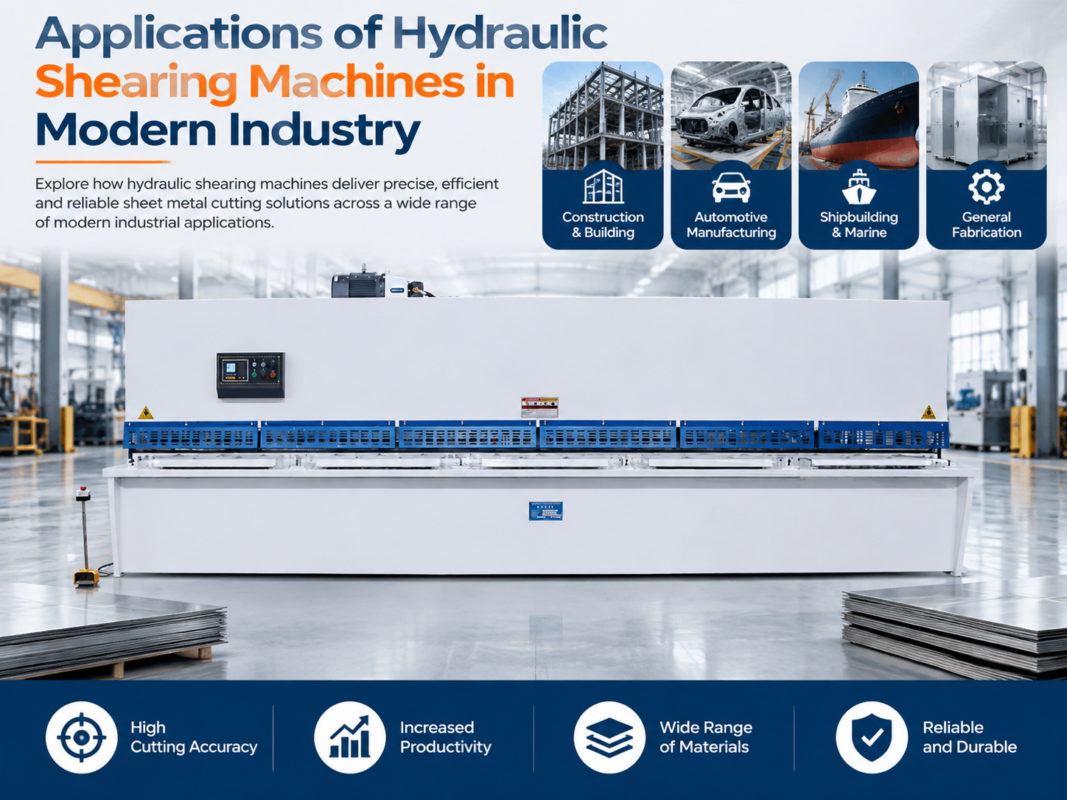
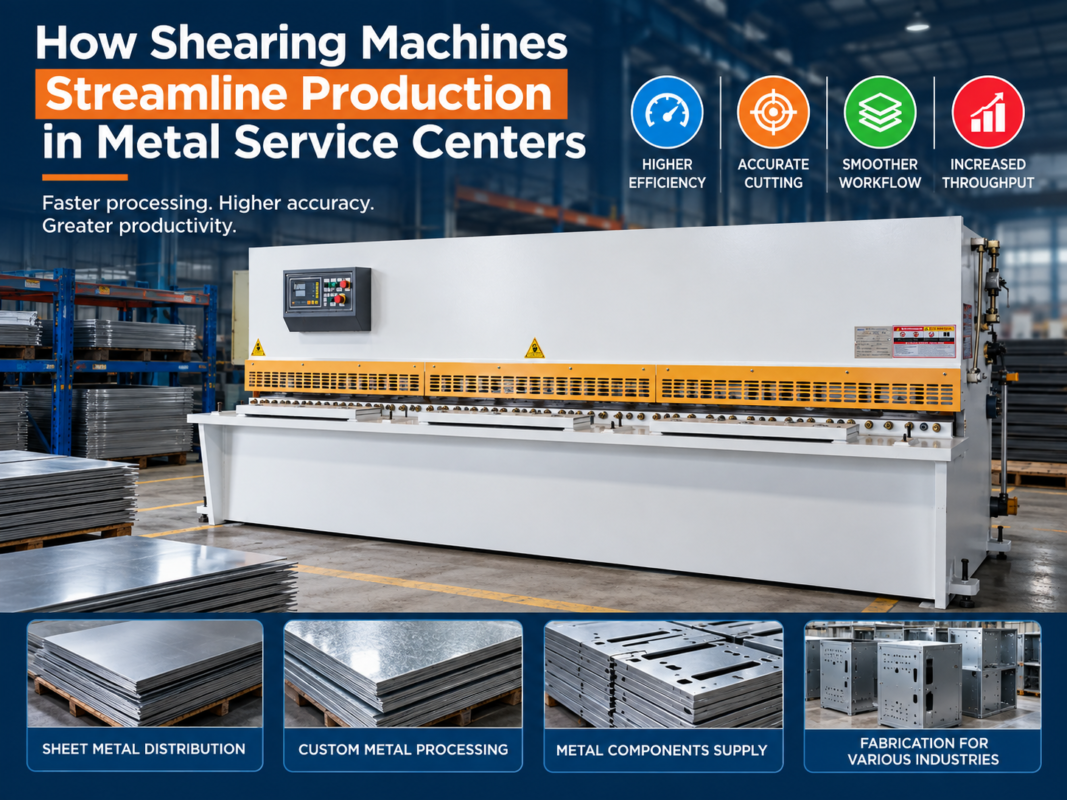
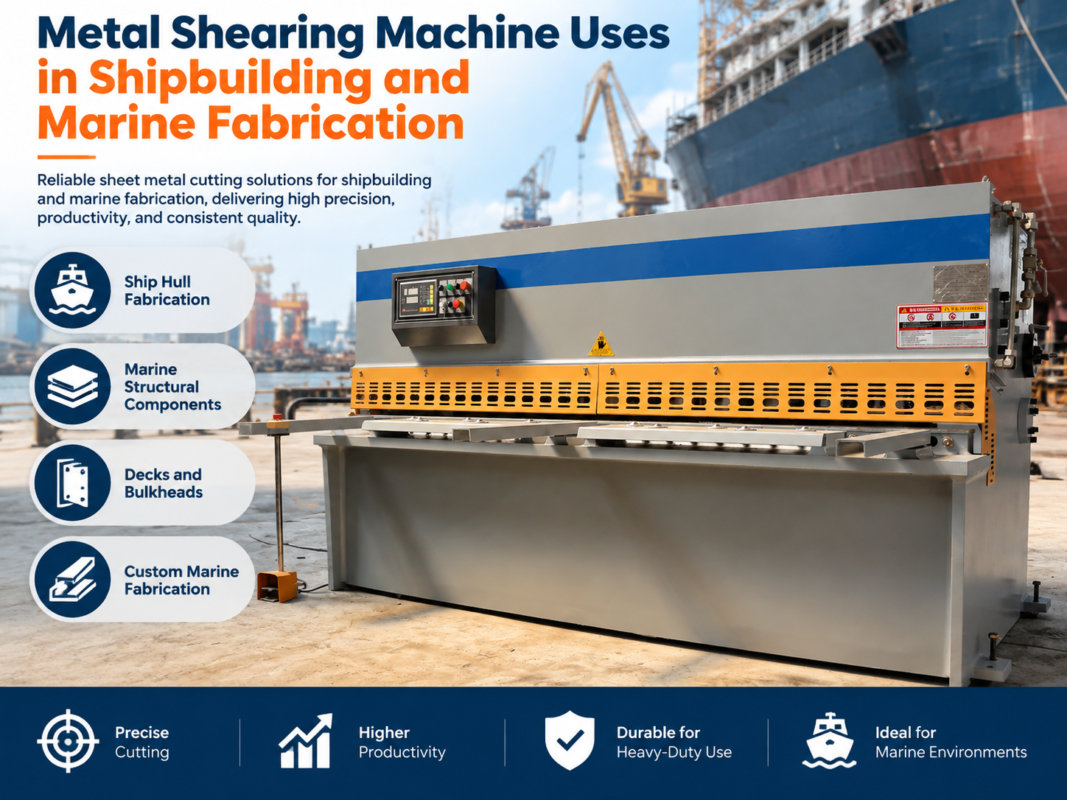
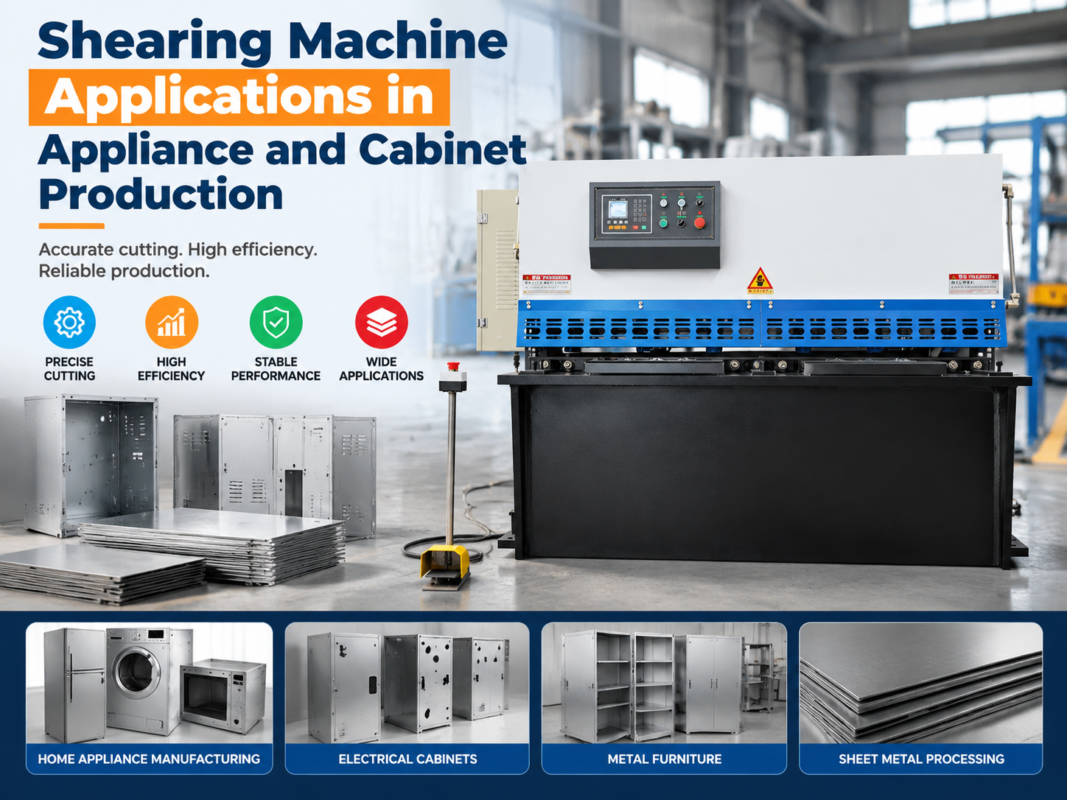
In the realm of heavy industry, the precision and efficiency of metal fabrication serve as the foundation for structural integrity and performance. Shipbuilding and heavy machinery production—industries characterized by the use of massive, high-strength steel plates—rely heavily on advanced cutting technologies. Among these, the shearing machine stands as a cornerstone of the production line. The primary role of shearing machine applications in shipbuilding heavy machinery production is to transform raw, oversized metal sheets into manageable, accurately sized components that meet stringent engineering specifications.
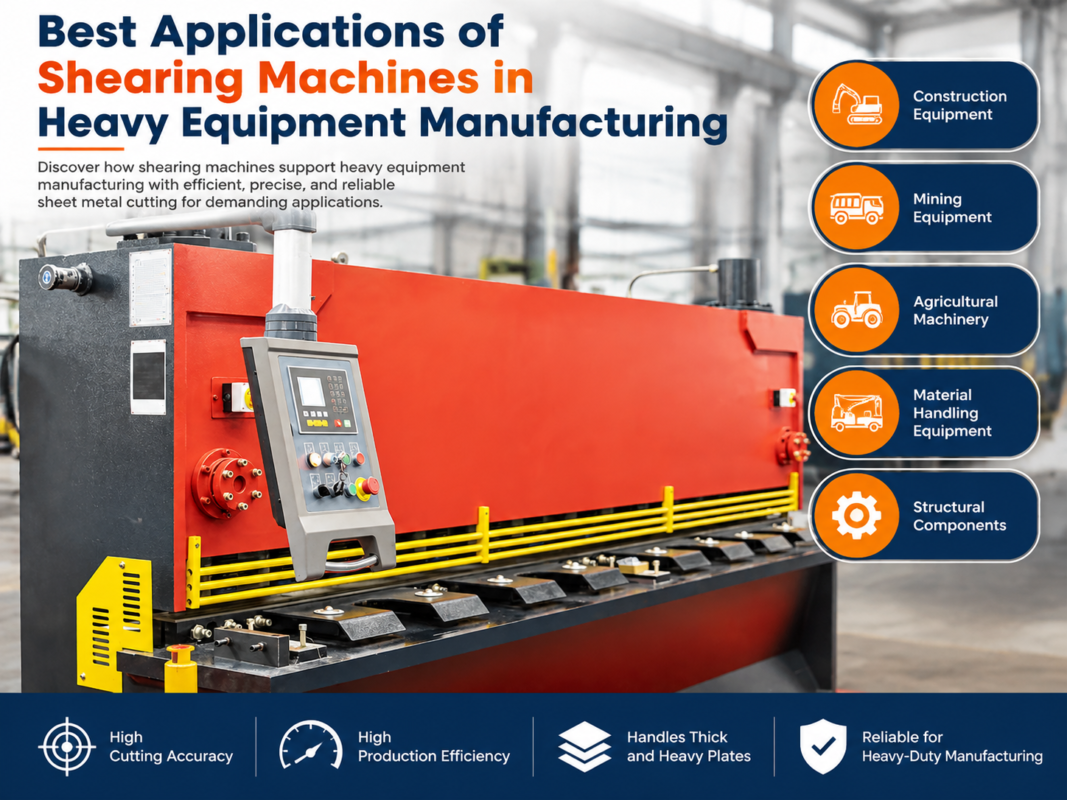
Shipbuilding involves the construction of massive vessels, from oil tankers to naval destroyers, requiring thousands of tons of steel. Similarly, heavy machinery production, which includes the manufacturing of excavators, cranes, and mining equipment, demands components that can withstand extreme stress. In both sectors, the shearing process is often the first step in the manufacturing workflow. A clean, straight cut is essential not only for dimensional accuracy but also for ensuring that subsequent processes, such as welding and assembly, are performed without defects. The evolution of hydraulic and CNC-controlled shearing machines has significantly enhanced the capability of manufacturers to handle the thick, high-tensile materials common in these sectors.
HARSLE, a leader in metal fabrication machinery, understands that the demands of shipbuilding and heavy machinery are unique. These industries do not just require a machine that cuts; they require a system that offers repeatability, durability, and the power to slice through plates that can exceed 25mm or even 40mm in thickness. This article explores the intricate details of how shearing machines are utilized in these high-stakes environments, the technical specifications that matter most, and how to select the right equipment for large-scale industrial operations.
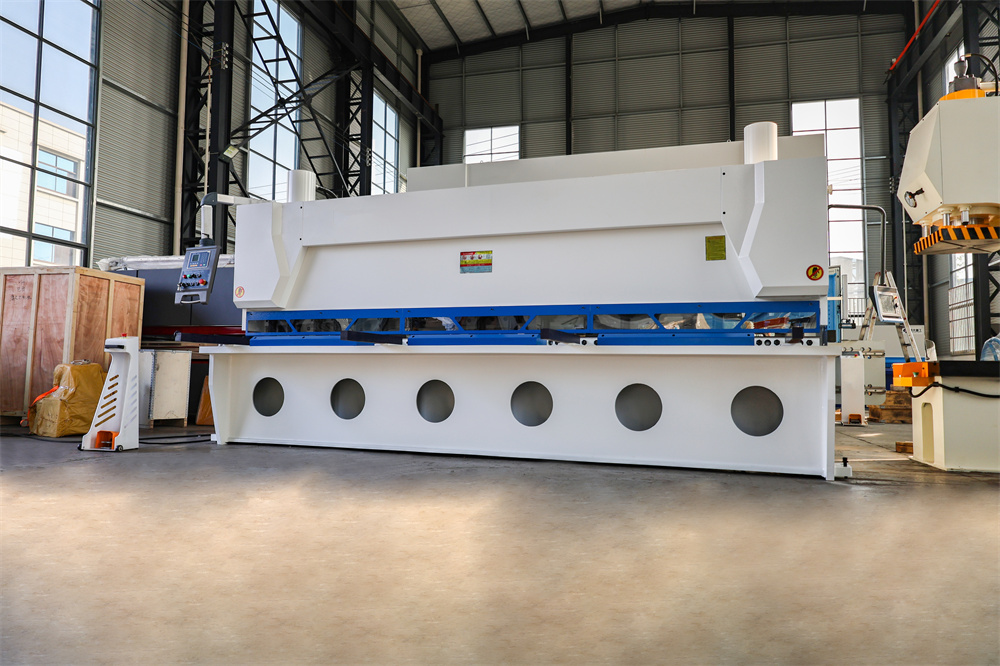
Key Considerations for Heavy-Duty Shearing Applications
When discussing shearing machine applications in shipbuilding heavy machinery production, several critical factors must be addressed to ensure operational success. The first is material grade. Unlike light manufacturing, which might use mild steel or aluminum, shipbuilding frequently utilizes High-Strength Low-Alloy (HSLA) steels and marine-grade carbon steels. These materials have high yield strengths, meaning the shearing machine must exert significantly more force to achieve a clean break. If a machine is underpowered, it can lead to jagged edges, excessive burrs, or even structural damage to the machine’s frame and blades.
Precision and edge quality are equally vital. In shipbuilding, plates are often joined using automated welding systems. If the sheared edge is not perfectly straight or if the rake angle of the shear causes the plate to twist (bowing or cambering), the fit-up during welding will be poor. This can lead to weak joints or the need for expensive secondary grinding and rework. Therefore, heavy-duty shearing machines must feature robust anti-twist mechanisms and precise blade gap adjustments to maintain edge squareness across long cutting lengths, which can often reach 6 meters or more.
Another consideration is the sheer volume and scale of the workpieces. Shipyards and heavy equipment plants deal with “jumbo” plates. Handling these plates requires integrated support systems, such as front feed tables with ball transfers and rear pneumatic support systems. Without these, the weight of the plate can cause it to sag during the cut, leading to dimensional inaccuracies. Furthermore, the duty cycle of the machine must be considered. In a 24/7 production environment, the hydraulic system must be equipped with advanced cooling units to prevent oil overheating, which can lead to seal failure and inconsistent pressure delivery.
Finally, safety and ergonomics cannot be overlooked. Cutting thick steel involves immense forces and the movement of heavy loads. Modern shearing machines used in these industries must be equipped with light curtains, emergency stop circuits, and finger guards that do not obstruct the operator’s view but provide maximum protection. Ergonomic controls, often via a pedestal-mounted CNC interface, allow operators to program complex cutting sequences without manual measurement, reducing fatigue and the risk of human error.
Technical Details: Engineering for Power and Precision
The technical architecture of a shearing machine determines its suitability for heavy-duty applications. In shipbuilding and heavy machinery, the choice usually falls between two main designs: the Swing Beam Shear and the Guillotine Shear. While swing beam shears are excellent for many applications, the Variable Rake Guillotine Shear is often preferred for heavy machinery production. This is because the guillotine design allows for a vertical cutting action and an adjustable rake angle. By increasing the rake angle, the machine can cut thicker materials with less force; by decreasing it, the machine can cut thinner materials with minimal distortion.
Blade Gap and Rake Angle Adjustment
One of the most critical technical features in shearing machine applications in shipbuilding heavy machinery production is the motorized blade gap adjustment. As the thickness of the steel plate changes, the distance between the upper and lower blades must be calibrated. A gap that is too tight will cause the blades to rub and wear prematurely, while a gap that is too wide will result in a “folded” edge rather than a clean cut. In HARSLE’s advanced CNC models, this adjustment is automated based on the material type and thickness entered into the controller, ensuring optimal results every time.
Hydraulic Systems and Construction
The frame of the machine must be a heavy-duty, all-steel welded structure, often stress-relieved through vibration or heat treatment to ensure long-term stability. The hydraulic system typically employs high-pressure cylinders and world-class valve blocks (such as Rexroth or Hoerbiger) to ensure synchronized movement. In shipbuilding, where plates are exceptionally long, the machine must maintain consistent pressure across the entire length of the blade. This is achieved through a series of hydraulic hold-downs that grip the plate firmly before the cutting stroke begins, preventing any lateral movement.
| Feature | Shipbuilding Requirement | Heavy Machinery Requirement |
|---|---|---|
| Cutting Length | Extremely Long (6m – 12m) | Standard to Long (3m – 6m) |
| Material Thickness | Medium to Very Thick (12mm – 40mm) | High-Tensile (16mm – 30mm) |
| Accuracy | High (for automated welding) | Very High (for mechanical fitment) |
| Automation | High (CNC backgauges, conveyors) | Medium (repetitive part production) |

Selection Advice for Industrial Buyers
Choosing the right shearing machine for shipbuilding or heavy machinery production is a significant capital investment that requires careful analysis of current and future production needs. The first step in selection is defining the maximum capacity. It is a common mistake to buy a machine that exactly matches your thickest material. For heavy industry, it is advisable to select a machine with a capacity roughly 20% higher than your standard maximum thickness. This reduces the strain on the hydraulic system and extends the life of the blades when processing high-tensile alloys.
Secondly, evaluate the backgauge system. In heavy machinery production, you may need to cut hundreds of identical parts. A high-speed, CNC-driven backgauge with a “swing-away” feature is essential. The swing-away function allows the backgauge to move out of the way when cutting plates longer than the backgauge’s maximum reach, providing greater versatility. Look for backgauges that utilize ball screws and linear guides for maximum precision and speed.
Thirdly, consider the material handling and scrap management. When shearing large plates, the off-cut (scrap) can be heavy and dangerous to move manually. Selecting a machine with a rear scrap chute or an integrated conveyor system can significantly improve shop floor safety and efficiency. Additionally, for shipbuilding applications, front-feeding systems with pneumatic sheet supports are highly recommended to prevent thin-plate sagging and to assist operators in positioning massive sheets accurately against the squaring arm.
Finally, investigate the after-sales support and component availability. In heavy industry, downtime is incredibly expensive. Ensure that the machine uses standard, high-quality components (like Schneider electrics or Siemens motors) that can be easily sourced or serviced. HARSLE provides comprehensive technical support and uses globally recognized brands for its internal components to ensure that shipyards and factories can maintain peak productivity with minimal interruption.
Maintenance and Longevity in Harsh Environments
The environment in a shipyard or a heavy machinery plant is often harsh, characterized by dust, metal shavings, and sometimes corrosive salty air. To ensure the longevity of a shearing machine, a rigorous maintenance schedule is mandatory. Lubrication is the most critical aspect; the slide ways and pivot points must be greased daily to prevent friction-induced wear. Many HARSLE machines feature centralized lubrication systems that simplify this process.
Blade maintenance is the second pillar of longevity. Even the best blades will dull over time, especially when cutting high-strength steel. Dulling blades increase the load on the hydraulic system and degrade the cut quality. Operators should be trained to inspect the blade edge regularly and rotate the blades (most shearing blades have four cutting edges) before they become excessively worn. Regular oil changes and filter replacements in the hydraulic system are also necessary to prevent contamination from damaging the sensitive valves and pumps.
Frequently Asked Questions (FAQ)
1. What is the maximum thickness a shearing machine can handle for shipbuilding?
Standard industrial hydraulic shears can handle up to 40mm of mild steel. However, for the specialized high-tensile steels used in shipbuilding, the capacity might be slightly lower. It is essential to check the machine’s rating for specific material tensile strengths.
2. How does a CNC controller improve shearing machine applications in shipbuilding heavy machinery production?
A CNC controller automates the backgauge position, blade gap, and rake angle. This ensures that every cut is consistent, reduces setup time between different plate thicknesses, and allows for the storage of complex cutting programs, which is vital for repetitive heavy machinery parts.
3. Can shearing machines cut stainless steel for marine applications?
Yes, but stainless steel is much harder than mild steel. When cutting stainless steel, you typically need to reduce the machine’s rated thickness capacity by about 50% and use specialized high-chrome, high-carbon blades to prevent rapid dulling.
4. Why is the rake angle important in heavy-duty shearing?
The rake angle is the slope of the upper blade. A higher rake angle reduces the required cutting force, which is necessary for thick plates. However, a high rake angle can cause “twist” in the cut piece. Variable rake machines allow you to find the perfect balance between power and part flatness.
5. What safety features are standard on HARSLE shearing machines?
HARSLE machines come equipped with hydraulic hold-downs to secure the plate, front finger guards, rear light curtains to prevent entry into the cutting zone during operation, and multiple emergency stop buttons located for easy access.
Conclusion
The role of shearing machine applications in shipbuilding heavy machinery production cannot be overstated. These machines are the workhorses that initiate the fabrication process, providing the precision and power necessary to handle the world’s most demanding structural projects. By understanding the technical nuances of rake angles, blade gaps, and material handling, manufacturers can significantly improve their throughput and product quality.
As the industry moves toward greater automation and higher material standards, the need for robust, CNC-integrated shearing solutions continues to grow. HARSLE remains at the forefront of this evolution, providing the heavy-duty machinery that powers shipyards and equipment factories worldwide. Investing in the right shearing technology is not just about cutting metal; it is about building the future of global infrastructure with accuracy and reliability.