Choosing the Right Shearing Machine for Different Metal Cutting Applications


Introduction to Metal Shearing Technology
In the world of metal fabrication, precision and efficiency are the cornerstones of a successful operation. Whether you are running a small workshop or a large-scale industrial plant, the ability to cut sheet metal accurately and quickly is paramount. This is where the shearing machine comes into play. Choosing the right shearing machine for different metal cutting applications is not just about buying a piece of equipment; it is about understanding the synergy between material properties, machine mechanics, and production goals.
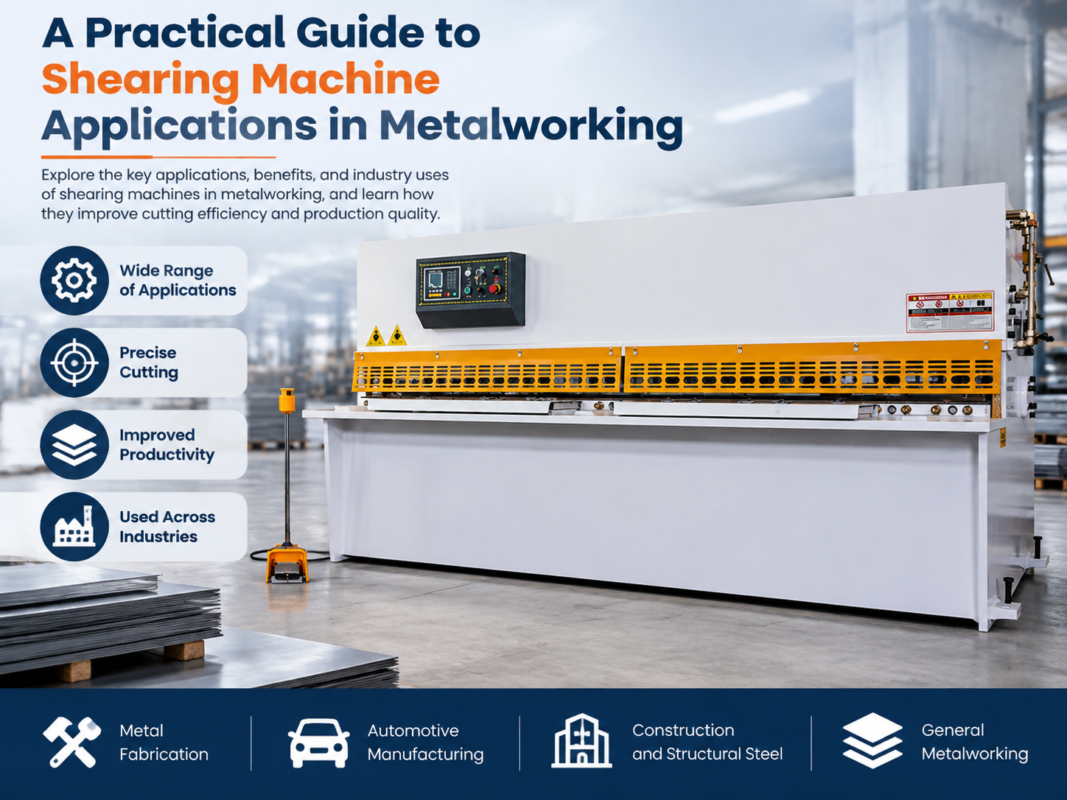
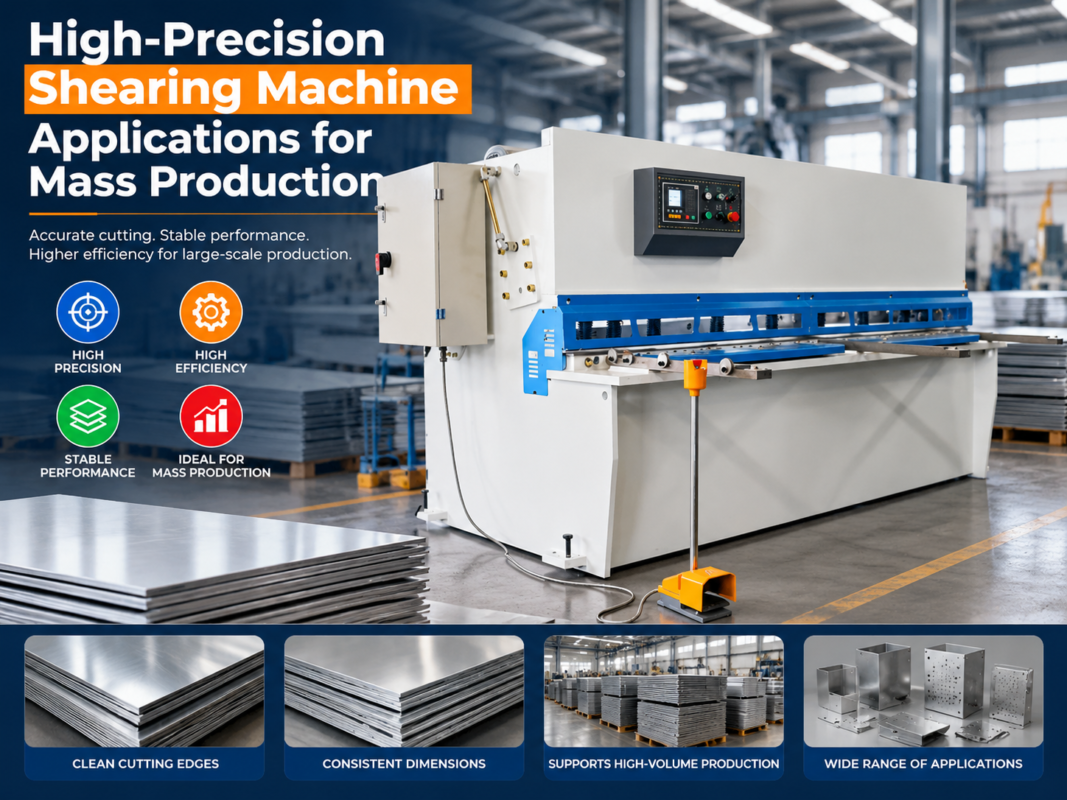
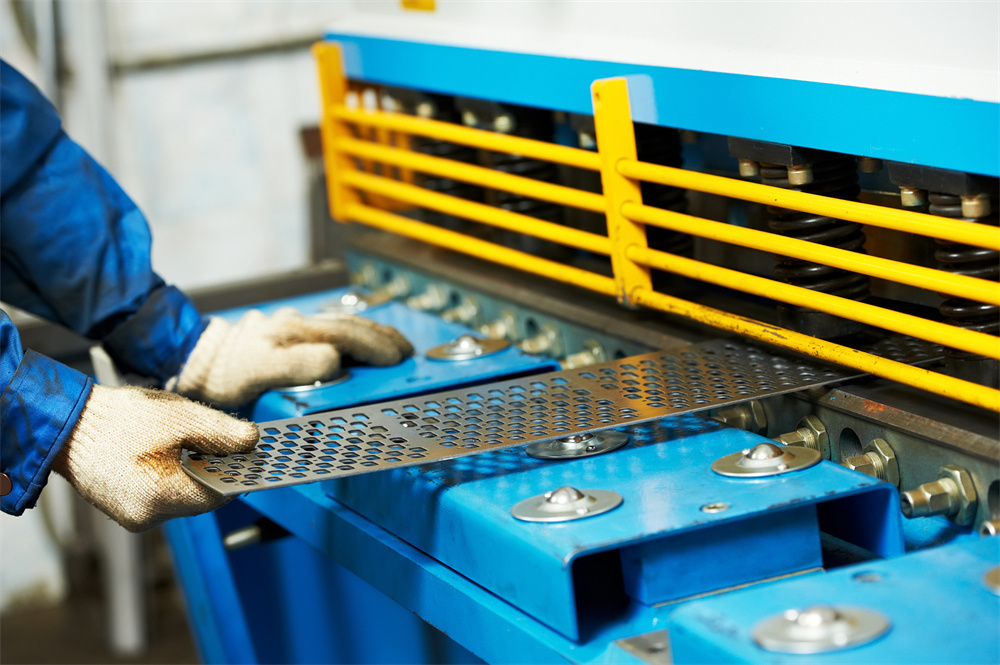
Shearing is a process that involves cutting straight lines on flat metal stock. Unlike thermal cutting methods like laser or plasma, shearing is a mechanical process that uses a top blade and a bottom blade to exert enough force to fracture the metal along a specific line. This process is highly efficient for high-volume production because it produces no chips or residual waste from the cut itself, and it is significantly faster than many alternative methods for straight-line requirements.
HARSLE has been at the forefront of providing high-quality metal fabrication machinery, and we understand that the selection process can be daunting. With various types of shears available—ranging from manual and mechanical to advanced hydraulic swing beam and guillotine models—making an informed decision requires a deep dive into the technical specifications and the specific needs of your projects. This guide aims to provide a comprehensive overview to help you navigate the complexities of choosing the right shearing machine for your unique applications.
Key Considerations for Choosing a Shearing Machine
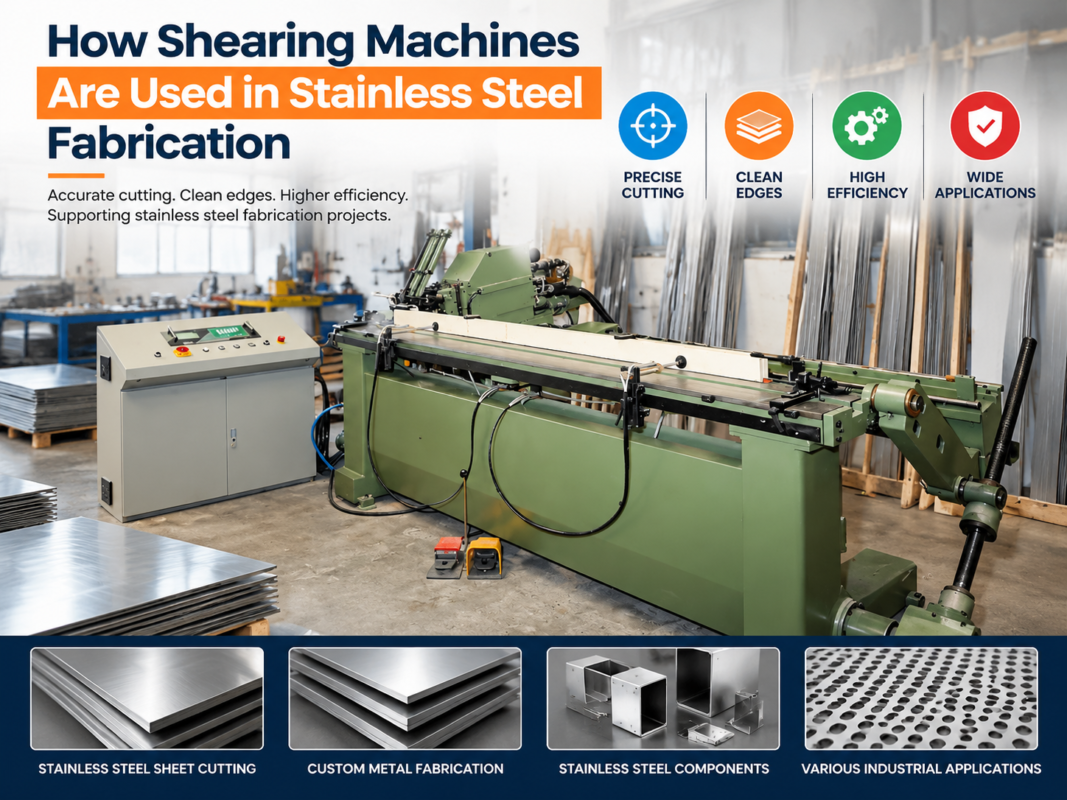
When you begin the process of choosing a shearing machine for different metal cutting applications, the first step is to evaluate your material requirements. Not all metals behave the same way under the pressure of a shear blade. For instance, mild steel has a different tensile strength compared to stainless steel or aluminum. A machine rated for 6mm mild steel may only be able to handle 3mm or 4mm of stainless steel due to the latter’s higher resistance to shearing forces. Always check the machine’s capacity ratings against the hardest and thickest material you plan to cut.
The length of the cut is another critical factor. Shearing machines are typically categorized by their maximum cutting length, such as 2500mm, 3200mm, or 4000mm. It is often tempting to buy a machine that exactly matches your current largest sheet size, but it is usually wiser to opt for a slightly larger capacity to accommodate future growth or variations in raw material sizes. Furthermore, the frequency of use—your production volume—will dictate whether you need a heavy-duty hydraulic system or if a lighter mechanical shear will suffice.
Accuracy and edge quality are also high on the list of considerations. If your subsequent fabrication steps involve precision welding or CNC bending, you need a shear that produces a clean, square edge with minimal burr and distortion. This is where technical features like adjustable rake angles and blade gap settings become vital. A machine that allows for fine-tuning based on material thickness will always produce a superior result compared to a fixed-setting machine.
Finally, consider the workspace and safety. Industrial shearing machines are large and require significant floor space, not just for the machine itself but for material handling and safety zones. Modern machines come equipped with light curtains, emergency stops, and finger guards to protect operators. Investing in a machine with robust safety features is not only a regulatory requirement in many regions but also a moral and financial imperative to prevent workplace accidents.
Technical Details: Understanding Machine Types
Hydraulic Swing Beam Shears
The hydraulic swing beam shearing machine is one of the most common types used in the industry today. In this design, the upper blade moves in an arc-like motion. This “swing” action allows the blade to move away from the lower blade as soon as the cut is completed, which helps prevent the material from jamming and reduces wear on the blades. Swing beam shears are generally more affordable and easier to maintain than guillotine shears, making them an excellent choice for general-purpose fabrication where extreme precision on very thick plates is not the primary concern.
One limitation of the swing beam design is that the rake angle (the angle of the top blade relative to the bottom blade) is usually fixed. While this simplifies operation, it can lead to more distortion (twisting or bowing) when cutting very thin or very narrow strips of metal. However, for most standard sheet metal applications, the swing beam shear provides a reliable and cost-effective solution.
Hydraulic Guillotine Shears
For high-precision and heavy-duty applications, the hydraulic guillotine shear is the preferred choice. Unlike the swing beam, the upper blade of a guillotine shear moves vertically in a straight line. This design allows for an adjustable rake angle. By decreasing the rake angle for thinner materials, you can significantly reduce distortion and produce flatter parts. Conversely, increasing the rake angle allows the machine to cut thicker materials than would otherwise be possible with the same hydraulic force.
Guillotine shears are also known for their superior rigidity. The vertical movement is guided by precision tracks, ensuring that the blade gap remains consistent across the entire length of the cut. This makes them ideal for applications requiring tight tolerances and high-quality edge finishes. While they are more complex and generally more expensive than swing beam models, the versatility and precision they offer often justify the investment for specialized fabrication shops.
Blade Gap and Rake Angle Adjustments
The technical heart of any shearing machine lies in its ability to adjust to the material at hand. The blade gap—the distance between the upper and lower blades—must be set correctly based on the thickness of the metal. If the gap is too wide, the metal will bend between the blades rather than shearing, resulting in a large burr. If it is too narrow, the blades can clash or wear prematurely. Many modern HARSLE machines feature motorized blade gap adjustment with digital readouts or CNC control, allowing operators to change settings in seconds.
The rake angle is equally important. A higher rake angle reduces the required shearing force, which protects the machine’s hydraulic system when cutting thick plates. However, a high rake angle also increases the tendency for the cut piece to twist. Being able to adjust this angle means you can optimize the machine for every job, ensuring the best balance between machine longevity and part quality.
Selection Advice: Matching Machine to Application
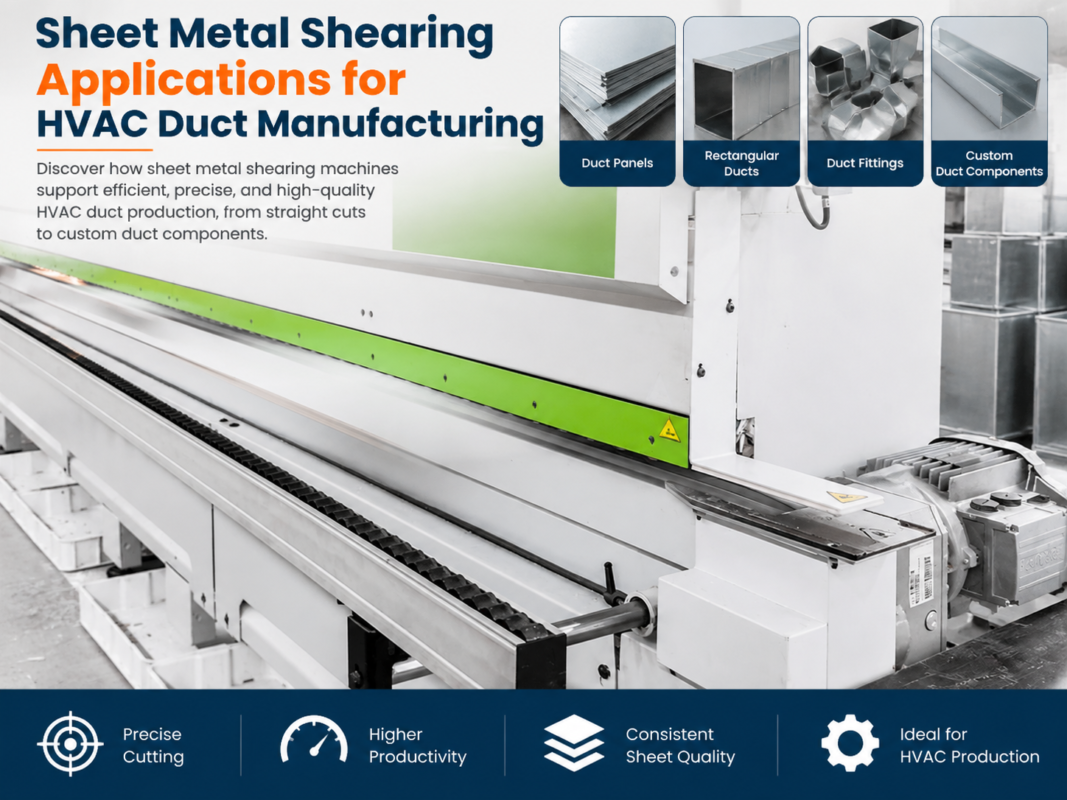
Choosing the right shearing machine for different metal cutting applications requires a strategic look at your specific industry. For example, if you are in the HVAC industry, you are likely working with large volumes of thin galvanized steel. In this scenario, speed and ease of backgauge adjustment are more important than high-tonnage capacity. A high-speed mechanical shear or a light-duty hydraulic swing beam shear with a CNC backgauge would be the most efficient choice.
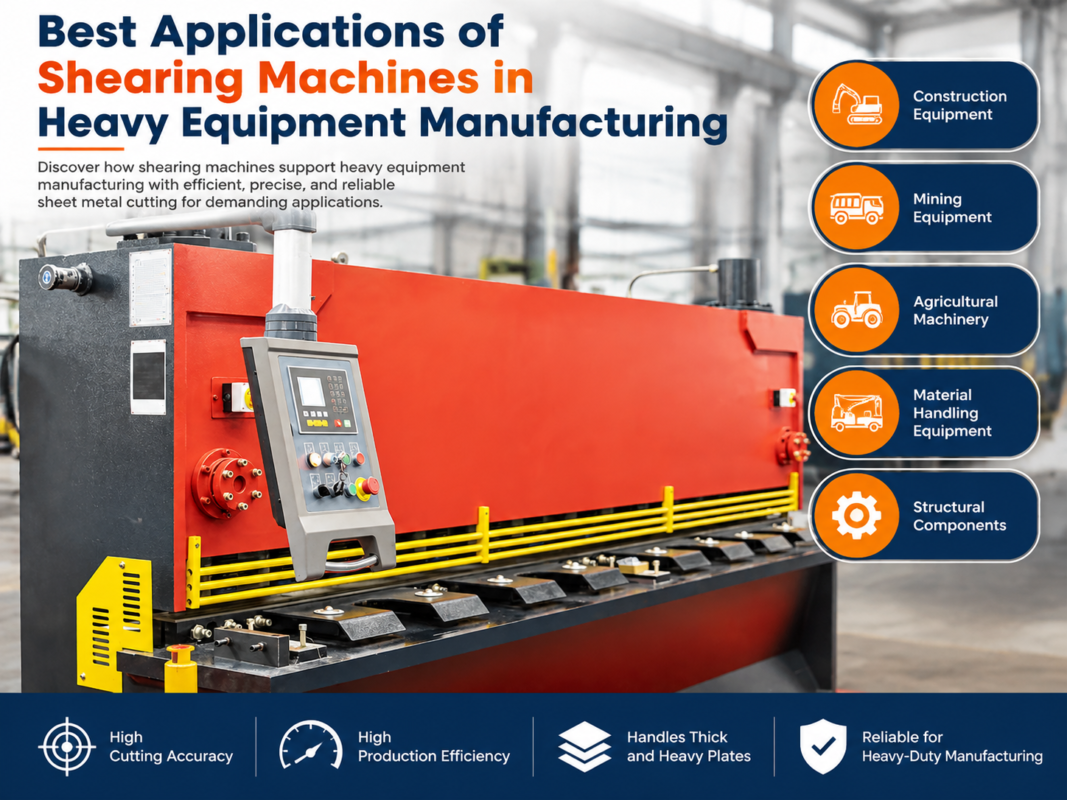
In contrast, if your business focuses on heavy equipment manufacturing or structural steel, you will be dealing with thick plates of high-tensile steel. Here, a heavy-duty hydraulic guillotine shear is non-negotiable. You will need a machine with a large throat depth (to allow for slitting longer sheets) and a robust hydraulic system capable of sustained high-pressure operation. Features like hydraulic sheet supports are also beneficial for preventing thin, wide sheets from sagging before the cut, which ensures dimensional accuracy.
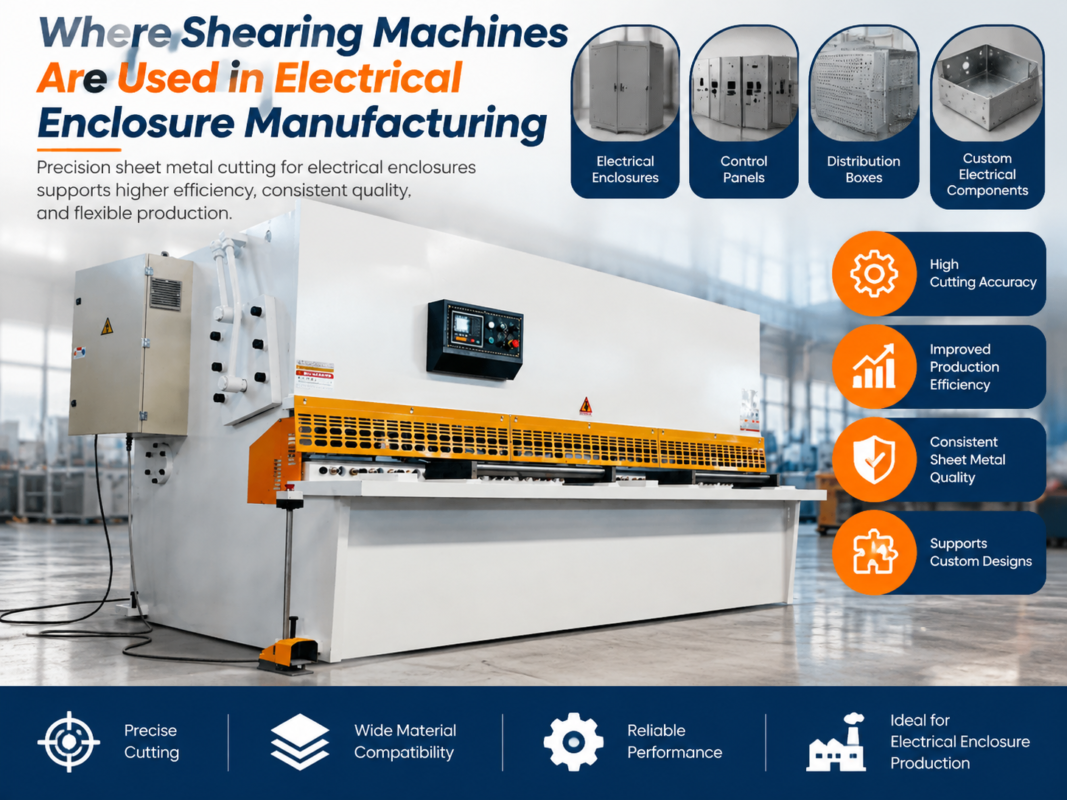
For those involved in precision electronics or aerospace components, the focus shifts to edge quality and minimal distortion. A guillotine shear with a low rake angle capability and precision-ground blades is essential. In these industries, even a small amount of “camber” or “bow” in a cut strip can lead to significant problems in subsequent assembly or forming processes. Investing in a machine with a high-end CNC controller can also help by automatically calculating the optimal blade gap and rake angle based on the material type entered by the operator.
Maintenance should also play a role in your selection. Hydraulic systems require regular oil changes and seal inspections, while mechanical shears have more moving parts like gears and flywheels that need lubrication. Consider the availability of spare parts and the technical support offered by the manufacturer. HARSLE provides extensive documentation and support to ensure that your machine remains operational for decades, but choosing a model that your local maintenance team is comfortable with can also reduce downtime.
Buyer’s Checklist for Shearing Machines
- Material Type: What is the maximum tensile strength of the metal you will cut?
- Maximum Thickness: Ensure the machine is rated for your thickest material (with a safety margin).
- Maximum Length: Does the bed length accommodate your largest sheets?
- Accuracy Requirements: Do you need the adjustable rake angle of a guillotine shear?
- Backgauge Range: Is the backgauge long enough for your deepest cuts?
- Control System: Do you need a simple NC controller or a full-featured CNC system?
- Safety Features: Does the machine meet local safety standards (CE, OSHA, etc.)?
- Footprint: Do you have enough space for the machine and material handling?
Frequently Asked Questions (FAQ)
1. How often should I sharpen the blades on my shearing machine?
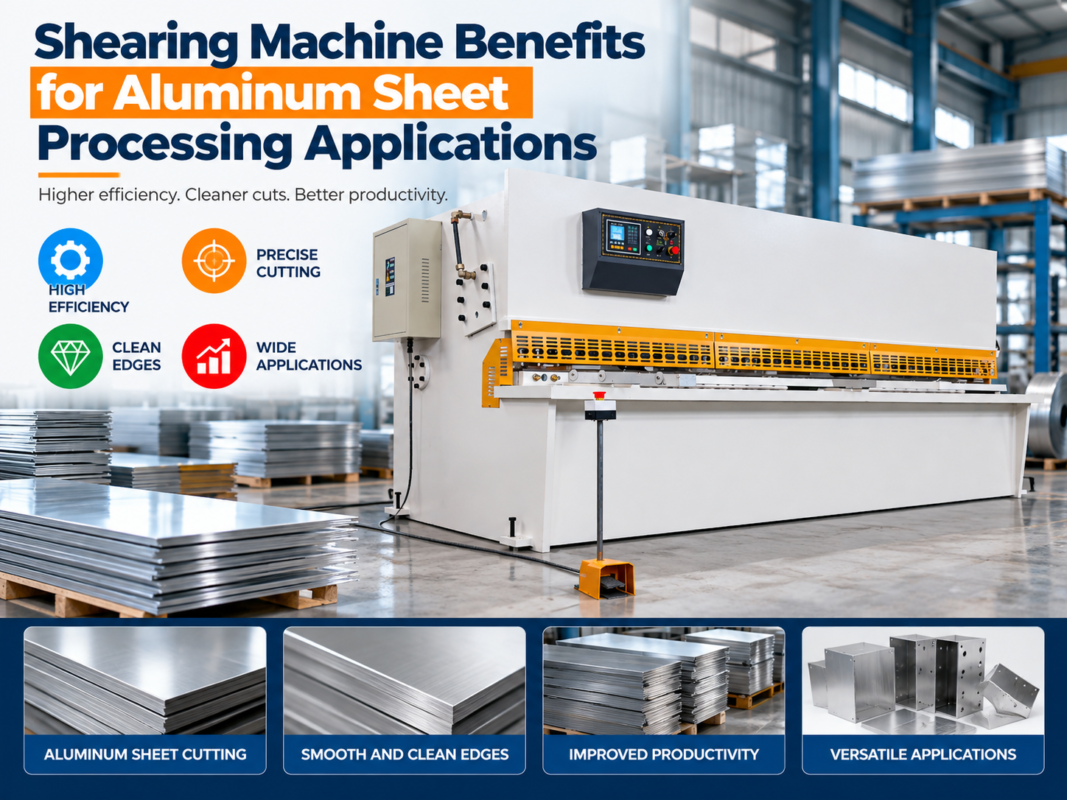
The frequency of blade sharpening depends on the material being cut and the volume of production. Cutting stainless steel will dull blades much faster than cutting aluminum or mild steel. Generally, you should inspect the blades every few months. Most shearing blades have four cutting edges; when one edge becomes dull, you can flip or rotate the blade to a fresh edge before needing a full regrind.
2. Can I cut material that is thicker than the machine’s rated capacity?
No, you should never exceed the manufacturer’s rated capacity. Doing so can cause catastrophic failure of the hydraulic seals, frame deformation, or blade breakage. If you frequently need to cut thicker material, it is time to upgrade to a higher-capacity machine. Always remember that capacity is usually rated for mild steel; adjust your expectations for harder materials.
3. What is the difference between NC and CNC controls on a shear?
NC (Numerical Control) typically allows you to set the backgauge position and perhaps the stroke count. CNC (Computer Numerical Control) is more advanced, often featuring a library of material types. A CNC controller can automatically adjust the blade gap, rake angle, and stroke length based on the material thickness and type you select, significantly reducing setup time and operator error.
4. Why is my cut piece twisting after being sheared?
Twisting is usually caused by a rake angle that is too high for the thickness of the material. When the blade angle is steep, it applies more lateral force to the off-cut piece, causing it to spiral or twist. Reducing the rake angle (if your machine allows it) or ensuring the blade gap is set correctly can help minimize this issue.
5. Do I need a sheet support system?
If you are cutting thin materials (under 3mm) over long distances, a sheet support system is highly recommended. Without support, the metal can sag under its own weight before it reaches the backgauge, leading to inaccurate cuts. Pneumatic sheet supports hold the material level until the moment of the cut, ensuring precision.
Conclusion: Making the Right Investment
Choosing the right shearing machine for different metal cutting applications is a pivotal decision for any fabrication business. By carefully analyzing your material types, thickness requirements, and production volumes, you can select a machine that not only meets your current needs but also provides a platform for future growth. Whether you opt for the reliable simplicity of a swing beam shear or the high-precision versatility of a guillotine model, the goal remains the same: achieving clean, accurate cuts with maximum efficiency.
At HARSLE, we are committed to helping our customers find the perfect balance between performance and value. Our range of shearing machines is designed with the latest technology to ensure durability and precision in the most demanding industrial environments. Remember that the cheapest machine is not always the most cost-effective in the long run; consider the total cost of ownership, including maintenance, blade life, and the quality of the finished parts. With the right equipment in your shop, you can improve your workflow, reduce waste, and stay competitive in the ever-evolving world of metal fabrication.
If you are still unsure which machine is right for you, our team of experts is always available to provide personalized advice and technical demonstrations. Investing in a HARSLE shearing machine is an investment in the future of your business, ensuring that every cut you make is a step toward greater success.