Case Study: Lowering Labor Costs with an Energy-Efficient Shearing Machine


Introduction: The Economic Shift in Metal Fabrication
In the contemporary landscape of metal fabrication, the dual pressures of rising labor costs and escalating energy prices have forced manufacturers to rethink their operational strategies. For decades, the shearing machine has been a staple in workshops, yet many facilities continue to operate legacy equipment that is both labor-intensive and energy-inefficient. This case study explores the transformative impact of upgrading to a HARSLE energy-efficient shearing machine, focusing on how modern technology can drastically reduce overhead while increasing output quality.
The primary challenge for most fabrication shops is not just the cost of the machine itself, but the ongoing operational expenses. Labor accounts for a significant portion of the cost per part, especially when manual adjustments and multiple handlings are required. Furthermore, traditional hydraulic systems often run at full power even when the machine is idling, leading to massive energy waste. By examining a real-world application of energy-efficient shearing technology, we can see a clear path toward sustainable profitability in the competitive metalworking industry.
HARSLE has been at the forefront of this technological shift, developing shearing solutions that integrate advanced CNC controls with high-efficiency hydraulic circuits. The goal is simple: produce more with less. Less energy, less manual intervention, and less waste. This article will delve into the technical nuances that make these savings possible and provide a comprehensive guide for businesses looking to replicate these results in their own facilities.
Key Considerations: Labor and Energy Dynamics
The Impact of Automation on Labor Costs
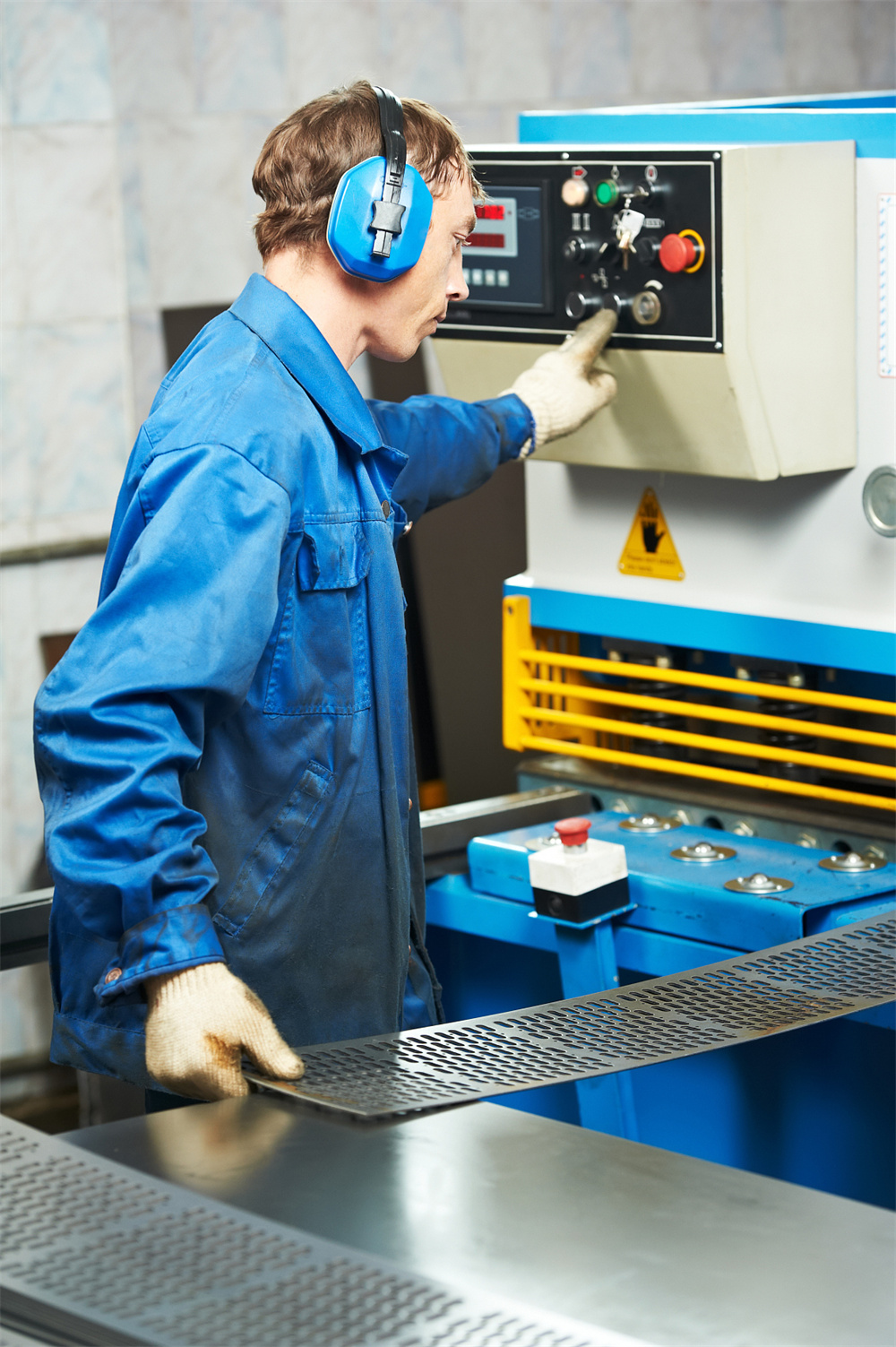
When we discuss lowering labor costs, we are not necessarily talking about reducing headcount, but rather increasing the productivity of each man-hour. A traditional shearing machine requires the operator to manually set the backgauge, adjust the blade gap for different material thicknesses, and often perform multiple test cuts. This process is time-consuming and prone to human error, which leads to costly scrap material.
Modern energy-efficient shearing machines utilize CNC (Computer Numerical Control) systems that automate these variables. An operator can simply input the material type, thickness, and desired dimensions, and the machine automatically adjusts the rake angle and blade gap. This reduces the setup time from minutes to seconds. In our case study, a facility that transitioned to a HARSLE CNC shear saw a 40% reduction in setup-related labor time, allowing the operator to focus on material handling and quality control rather than manual machine calibration.
Energy Efficiency and the Bottom Line
Energy consumption in a fabrication shop is often viewed as a fixed cost, but it is highly variable depending on the equipment used. Traditional hydraulic shearing machines use constant-volume pumps that circulate oil at high pressure even when the machine is not cutting. This results in significant heat generation and electricity consumption. In contrast, energy-efficient models utilize variable-speed drives or servo-motor-driven pumps that only consume power when the machine is actively performing a stroke.
The savings are twofold: first, the direct reduction in kilowatt-hours used during the cutting process; and second, the reduction in cooling requirements for the hydraulic oil. By keeping the oil cooler, the machine experiences less wear on seals and valves, leading to longer maintenance intervals. For a high-volume shop, these energy savings can amount to thousands of dollars annually, directly contributing to a faster return on investment (ROI) for the equipment.
Precision and Material Utilization
Labor costs are also tied to the amount of rework required. If a shearing machine produces inaccurate cuts, the subsequent processes—such as welding or assembly—become significantly more difficult and time-consuming. An energy-efficient shearing machine with high-precision backgauges ensures that every cut is within tight tolerances. This precision reduces the need for secondary grinding or squaring, further streamlining the production flow and reducing the total labor hours invested in each finished product.
Technical Details: The Engineering Behind the Efficiency
Advanced Hydraulic Systems
The heart of the HARSLE energy-efficient shearing machine lies in its hydraulic architecture. Unlike older systems that rely on a single large pump, modern shears often use integrated blocks and high-response valves that minimize pressure drops. The use of a servo-pump system is a game-changer; it allows the motor to slow down or stop during the loading and unloading phases of the cycle. This technology can reduce energy consumption by up to 60% compared to conventional hydraulic systems.
Furthermore, the hydraulic system is designed to provide a consistent cutting force throughout the entire stroke. This is achieved through sophisticated pressure sensors that communicate with the CNC controller in real-time. By maintaining the optimal pressure, the machine avoids unnecessary strain on the components, which not only saves energy but also extends the lifespan of the hydraulic fluid and the mechanical structure of the shear.
CNC Control and Software Integration
The integration of controllers like the DELEM DAC-360T or similar high-end units allows for complex programming and data management. These controllers feature a user-friendly interface where operators can store hundreds of cutting programs. This is particularly beneficial for shops that handle a wide variety of small-batch orders. Instead of recalculating settings for every new job, the operator simply selects the program, and the machine is ready to go.
Technical features of the CNC system include:
- Automatic rake angle adjustment to minimize sheet twisting and bowing.
- Automatic blade gap setting based on material properties to ensure a clean, burr-free cut.
- Stroke length limitation, which allows the machine to perform short cuts faster by not returning the ram to the full top position.
- Backgauge retract function, which prevents the material from jamming against the gauge during the cut.
Blade Quality and Geometry
Energy efficiency is also a function of how easily the blade passes through the metal. HARSLE machines utilize high-carbon, high-chrome blades that maintain their sharpness longer than standard steel blades. The geometry of the blade, including the rake angle, is critical. A higher rake angle reduces the force required to cut thick materials but can cause more distortion in the workpiece. The ability of an energy-efficient machine to automatically optimize this angle means it always uses the minimum amount of force (and thus energy) required for a clean cut.
Selection Advice: Choosing the Right Shearing Machine
Assessing Your Production Needs
Before investing in a new shearing machine, it is essential to conduct a thorough audit of your current production requirements. Consider the maximum thickness and length of the materials you process most frequently. While it might be tempting to buy a machine with the highest possible capacity, an oversized machine may consume more energy than necessary for smaller tasks. HARSLE offers a range of models, from compact 4mm shears to heavy-duty 25mm+ capacity machines, ensuring there is a perfect match for every application.
Key metrics to evaluate include:
- Material Type: Stainless steel requires significantly more cutting force than mild steel or aluminum. Ensure the machine’s rated capacity accounts for the toughest material you handle.
- Daily Duty Cycle: If the machine will run for multiple shifts, the energy savings of a servo-driven system will be much more pronounced.
- Accuracy Requirements: For precision aerospace or medical components, a high-end CNC backgauge is non-negotiable.
Comparing Swing Beam vs. Guillotine Shears
There are two primary types of hydraulic shears: swing beam and guillotine. Swing beam shears move the upper blade in an arc, which is generally simpler and more cost-effective for thinner materials. However, guillotine shears move the blade in a straight vertical line, allowing for adjustable rake angles and greater precision on thicker plates. For those focusing on energy efficiency and labor reduction, the guillotine style often provides more flexibility and better long-term results for a wider variety of tasks.
Evaluating the Total Cost of Ownership (TCO)
When selecting a machine, the purchase price is only one part of the equation. A comprehensive TCO analysis should include expected energy costs, maintenance expenses, and the projected reduction in labor hours. An energy-efficient HARSLE machine might have a higher upfront cost than a basic manual shear, but the reduction in monthly utility bills and the increase in parts-per-hour usually result in the machine paying for itself within 18 to 24 months.
| Feature | Traditional Hydraulic Shear | HARSLE Energy-Efficient Shear |
|---|---|---|
| Energy Consumption | High (Constant Pump Operation) | Low (Servo-Driven/Variable Speed) |
| Setup Time | Manual (5-10 minutes) | Automated (Under 30 seconds) |
| Accuracy | Operator Dependent | CNC Controlled (+/- 0.1mm) |
| Maintenance | Frequent (Heat-related wear) | Low (Cooler oil, optimized cycles) |
| Labor Requirement | High (Skill intensive) | Low (User-friendly interface) |
FAQ: Common Questions About Energy-Efficient Shearing
How much energy can I really save with a modern shearing machine?
On average, shops switching from older hydraulic technology to a HARSLE energy-efficient model report energy savings between 30% and 60%. The exact amount depends on your production volume and how often the machine is idling. Because the servo-motors only draw significant power during the actual cut, the idle power consumption is nearly zero.
Is the CNC interface difficult for older operators to learn?
Not at all. Modern CNC systems are designed with intuitive graphical interfaces. Most operators who are used to manual machines find that they can learn the basics of a HARSLE CNC controller within a single afternoon. The reduction in physical labor and manual measuring is usually welcomed by the staff.
Does an energy-efficient machine require more maintenance?
Actually, the opposite is true. Because the system generates less heat, the hydraulic oil and components like seals and O-rings last significantly longer. The CNC system does require periodic software updates and sensor calibrations, but these are minor compared to the mechanical repairs often needed on overworked traditional machines.
Can these machines handle stainless steel as efficiently as mild steel?
Yes, provided the machine is rated for the thickness of the stainless steel. Stainless steel is harder and requires more force, but the energy-efficient system will automatically adjust the blade gap and rake angle to ensure the most efficient cut possible without overloading the motor.
What is the typical ROI for upgrading to an energy-efficient shear?
Most businesses see a full return on investment within 2 years. This calculation includes energy savings, reduced scrap, lower labor costs per part, and the ability to take on more complex or higher-volume work that was previously impossible with manual equipment.
Conclusion: The Future of Metal Fabrication
The case for lowering labor costs with an energy-efficient shearing machine is clear. As the industrial sector continues to evolve, the integration of smart, power-saving technology is no longer a luxury—it is a necessity for survival. The HARSLE energy-efficient shearing machine represents a perfect synergy of mechanical robustness and digital precision, providing fabricators with the tools they need to thrive in a high-cost environment.
By reducing the reliance on manual adjustments, minimizing energy waste, and ensuring consistent high-quality output, these machines transform the shearing process from a bottleneck into a competitive advantage. Whether you are a small job shop or a large-scale manufacturing facility, the transition to energy-efficient machinery is a strategic move that pays dividends in both the short and long term. Investing in HARSLE technology means investing in the future of your business, ensuring that you can deliver superior products at a lower cost than ever before.
In conclusion, the path to profitability in metal fabrication lies in efficiency. By focusing on the technical details and selection criteria outlined in this guide, you can make an informed decision that will significantly impact your bottom line. The era of wasteful, labor-intensive shearing is coming to an end; the era of the energy-efficient, CNC-driven workshop is here.