Guillotine Shearing Machine Price Guide for Sheet Metal Shops


Introduction to Guillotine Shearing Machine Pricing
For any modern sheet metal shop, the acquisition of a high-quality shearing machine is a pivotal moment in business growth. When searching for a Gilotine Shearing Machine Price Sheet Metal Shops can afford, it is essential to look beyond the initial sticker price and understand the technical nuances that dictate long-term value. A guillotine shear is the workhorse of the fabrication floor, responsible for the primary task of cutting large sheets of metal into precise blanks for further processing. Whether you are cutting mild steel, stainless steel, or aluminum, the accuracy of this first cut determines the quality of every subsequent bend and weld.
The market for shearing machines is vast, ranging from small manual units to massive CNC-controlled hydraulic systems capable of slicing through inch-thick plate. For a sheet metal shop, the challenge lies in balancing the budget with the technical requirements of their specific projects. Investing too little can result in frequent downtime and poor cut quality, while over-investing in features that are never used can drain a shop’s capital reserves. This guide aims to demystify the pricing structure of these machines, providing shop owners with the data needed to make an informed procurement decision.
HARSLE has established itself as a leader in providing cost-effective yet high-performance shearing solutions. By focusing on robust engineering and integrating world-class components, HARSLE machines offer a competitive price-to-performance ratio. In the following sections, we will break down the various factors that influence the Gilotine Shearing Machine Price Sheet Metal Shops encounter during their research, from material capacities to advanced control systems.
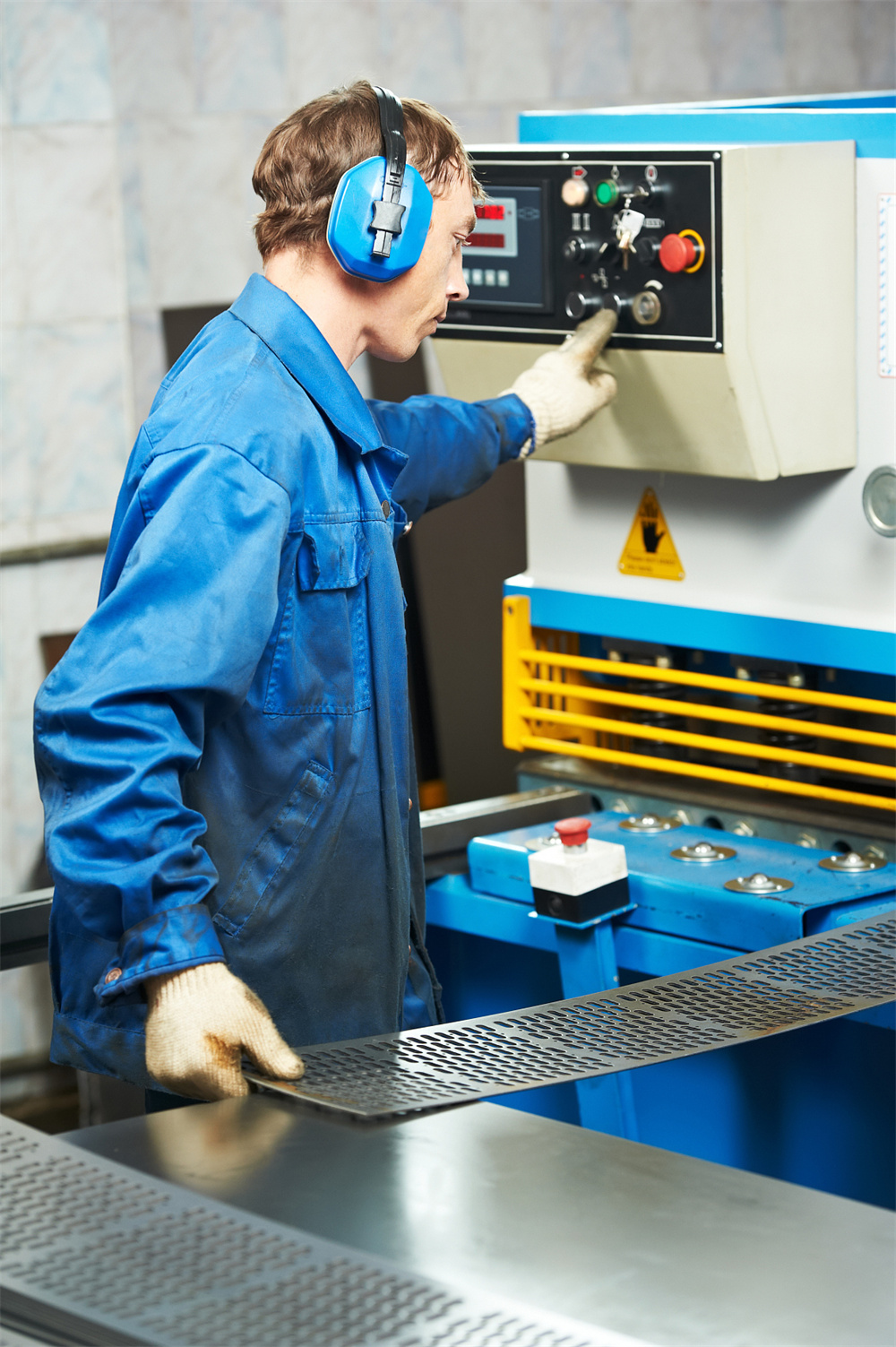
Price Range Overview: What to Expect
The price of a guillotine shearing machine is primarily determined by its cutting length and maximum thickness capacity. Generally, the market can be divided into three main tiers: entry-level, mid-range, and high-end industrial. Understanding where your shop fits within these tiers is the first step in budgeting. Entry-level machines, often featuring NC (Numerical Control) systems and standard hydraulic components, typically range from $8,000 to $20,000. These are ideal for smaller shops or those focusing on thinner gauge materials (up to 6mm).
Mid-range machines, which are the most common choice for established sheet metal shops, usually fall between $20,000 and $55,000. These units offer better precision, faster cycle times, and more robust frames. They often include motorized blade gap adjustment and more sophisticated backgauge systems. At this price point, you are paying for increased reliability and the ability to handle a wider variety of materials with higher consistency.
High-end industrial shearing machines can exceed $100,000. These are massive machines designed for heavy plate processing (16mm to 30mm or more) and high-volume production. They feature full CNC integration, automatic rake angle adjustment, and advanced material handling systems like pneumatic rear supports. For a shop looking at a Gilotine Shearing Machine Price Sheet Metal Shops must consider the total volume of material processed per month to justify these higher-tier investments.
| Machine Category | Typical Thickness Capacity | Typical Cutting Length | Estimated Price Range (USD) |
|---|---|---|---|
| Entry-Level NC | 4mm – 6mm | 2500mm – 3200mm | $8,000 – $18,000 |
| Mid-Range Hydraulic | 8mm – 12mm | 3200mm – 4000mm | $20,000 – $45,000 |
| High-End CNC | 16mm – 25mm+ | 4000mm – 6000mm+ | $60,000 – $150,000+ |
Main Cost Drivers in Shearing Machinery
Several critical factors drive the cost of a guillotine shear. The most significant is the frame construction. A shearing machine must withstand immense forces during the cutting process without flexing. High-quality machines use heavy, stress-relieved steel frames. The weight of the machine is often a good indicator of its rigidity; a heavier machine will generally provide a cleaner cut and have a longer lifespan, but it also costs more in terms of raw materials and shipping.
The hydraulic system is another major cost driver. Premium machines utilize components from reputable brands like Rexroth or Bosch. These systems offer smoother operation, better heat dissipation, and higher reliability. A cheaper hydraulic system might save money upfront but can lead to leaks, inconsistent pressure, and expensive repairs down the line. When evaluating the Gilotine Shearing Machine Price Sheet Metal Shops should always ask for a component list to see where the manufacturer has invested in quality.
Blade quality and metallurgy also play a role. Standard blades are suitable for mild steel, but if your shop frequently cuts stainless steel, you will need high-carbon, high-chrome blades. These specialized blades are more expensive but are necessary to prevent premature dulling and chipping. Additionally, the complexity of the blade adjustment mechanism—whether it is manual, motorized, or fully automated via CNC—directly impacts the final price of the machine.
Configuration Impact: Swing Beam vs. Variable Rake
One of the most important technical decisions affecting price is the choice between a swing beam shear and a variable rake guillotine shear. Swing beam shears (like the HARSLE QC12Y series) use a circular arc movement for the upper blade. They are generally simpler in design, easier to maintain, and more affordable. However, they have a fixed rake angle, which can lead to “twist” or “bow” in thin, narrow strips of metal. For many standard applications, the swing beam is the most cost-effective solution.
Variable rake guillotine shears (like the HARSLE QC11Y series) allow the operator to adjust the angle of the upper blade. A lower rake angle reduces distortion in thin materials, while a higher rake angle allows the machine to cut thicker plates than a swing beam shear of the same size could handle. This versatility comes at a higher price point due to the more complex hydraulic and mechanical systems required to move the blade beam vertically and adjust its angle. For shops requiring high precision across a wide range of thicknesses, the variable rake is often worth the extra investment.
The control system also varies significantly. A basic E21S controller manages the backgauge position and cut counting. Upgrading to a DAC-310 or DAC-360 CNC system allows for automatic calculation of the blade gap and rake angle based on material type and thickness. While a CNC system adds several thousand dollars to the Gilotine Shearing Machine Price Sheet Metal Shops pay, it significantly reduces setup time and eliminates operator error, which can save a fortune in wasted material.

Hidden Costs of Ownership
When budgeting for a new machine, the purchase price is only the beginning. Shipping and logistics can be a substantial hidden cost, especially for heavy industrial equipment. Depending on the distance from the manufacturer or distributor, freight costs can range from $1,000 to over $5,000. Additionally, you must consider the cost of offloading the machine. A standard forklift may not be sufficient for a 10-ton shear; you might need to hire a professional rigging company with a heavy-duty crane.
Installation and commissioning are also critical. While some shops attempt to set up the machine themselves, having a factory-trained technician perform the installation ensures that the machine is perfectly level and calibrated. This service usually costs between $1,500 and $3,000 but is essential for maintaining the warranty and ensuring cut accuracy. Furthermore, don’t forget the cost of hydraulic oil. A large shear can require hundreds of liters of high-grade hydraulic fluid, which is an immediate post-purchase expense.
Ongoing maintenance and power consumption should also be factored into your long-term budget. High-performance shears require regular filter changes, blade sharpening, and lubrication. In terms of electricity, these machines use powerful motors (often 7.5kW to 30kW or more). If your shop’s electrical infrastructure is outdated, you may need to invest in a transformer or a dedicated circuit, adding to the initial setup cost of the Gilotine Shearing Machine Price Sheet Metal Shops must prepare for.
Calculating ROI: Is the Investment Worth It?
To justify the Gilotine Shearing Machine Price Sheet Metal Shops must perform a Return on Investment (ROI) calculation. The primary areas of savings are labor, material waste, and secondary processing. If your current shearing method is slow or inaccurate, you are likely spending extra time grinding edges or struggling to fit parts into a press brake. A high-precision guillotine shear produces edges that are ready for welding or bending immediately, potentially saving 15-20% in labor time per project.
Material savings are another huge factor. CNC-controlled backgauges allow for tighter nesting and more accurate cuts, reducing the amount of scrap metal generated. In a high-volume shop, reducing scrap by even 2% can result in thousands of dollars in savings annually. Furthermore, owning your own shear allows you to buy full-size sheets or coils at a lower price per pound compared to buying pre-cut blanks from a service center.
Consider this example: If a new $30,000 HARSLE shear saves 10 hours of labor per week at a shop rate of $50/hour, that is $26,000 in labor savings in the first year alone. When you add in the savings from reduced scrap and the ability to take on more complex jobs, the machine can often pay for itself in less than 18 months. This makes the initial Gilotine Shearing Machine Price Sheet Metal Shops pay a very profitable long-term investment.
Buying Advice for Shop Owners
When you are ready to purchase, start by auditing your most common jobs. Don’t buy a machine based on the thickest material you might cut once a year; buy for the material you cut every day. If 90% of your work is 3mm mild steel, a 6mm capacity machine is perfect. It gives you a safety margin without the unnecessary cost of a 12mm machine. Also, pay close attention to the backgauge range. If you frequently cut long panels, ensure the backgauge can retract far enough (usually 600mm to 1000mm).
Always verify the reputation of the manufacturer. HARSLE, for instance, provides extensive documentation, video support, and readily available spare parts. A cheap machine from an unknown brand becomes very expensive if you can’t find a replacement seal or a new set of blades three years down the line. Ask for references or videos of the machine in operation cutting the specific material types you use.
Finally, consider the safety features. Modern shearing machines should come with front finger guards, rear light curtains, and emergency stop buttons. Not only do these protect your employees, but they also ensure compliance with local safety regulations, preventing potential fines and insurance issues. When comparing the Gilotine Shearing Machine Price Sheet Metal Shops should never compromise on safety to save a few dollars.
Frequently Asked Questions (FAQ)
1. What is the difference between a mechanical and a hydraulic guillotine shear?
Mechanical shears use a flywheel and clutch system. They are very fast but offer less control and are generally limited to thinner materials. Hydraulic shears, like those offered by HARSLE, use hydraulic cylinders to move the blade. They provide full tonnage throughout the entire stroke, allow for adjustable stroke length, and are much safer and easier to maintain for modern sheet metal shops.
2. How often do the blades need to be sharpened?
Blade life depends entirely on the material being cut and the volume of production. For a typical shop cutting mild steel, blades may last 1-2 years before needing to be flipped (most blades have 4 cutting edges) or sharpened. Cutting stainless steel will significantly shorten this interval. Regular checks of the blade gap and keeping the blades clean will extend their life.
3. Can I cut stainless steel on a standard guillotine shear?
Yes, but you must account for the material’s hardness. Generally, a machine’s capacity for stainless steel is about 50-60% of its capacity for mild steel. For example, a shear rated for 6mm mild steel should only cut up to 3mm or 4mm stainless steel. You should also use high-quality blades specifically designed for stainless to prevent edge rolling.
4. What is the advantage of a CNC backgauge?
A CNC backgauge allows the operator to program multiple cuts of different lengths in a single sequence. The machine automatically moves the gauge to the correct position for each cut. This eliminates the need for manual measurements and significantly speeds up the production of complex parts, making the Gilotine Shearing Machine Price Sheet Metal Shops pay well worth it for high-productivity environments.
5. Does HARSLE provide training for new machines?
Yes, HARSLE provides comprehensive operation manuals, video tutorials, and remote technical support. For many shops, these resources are sufficient to get up and running quickly. On-site training can also be arranged through local distributors to ensure your team is fully proficient in using the NC or CNC control systems safely and efficiently.
6. How do I choose between a 3-meter and a 4-meter machine?
The length of the machine should be slightly longer than the longest sheet you intend to cut. A 3200mm (approx. 10ft) machine is the industry standard for most sheet metal shops as it accommodates standard 4×8 or 5×10 foot sheets. If you frequently work with oversized architectural panels, a 4000mm or 6000mm machine may be necessary, though it will increase the price and the shop floor space required.